
Product description
THE VEGETABLE THAT EARNS ITS COLOUR
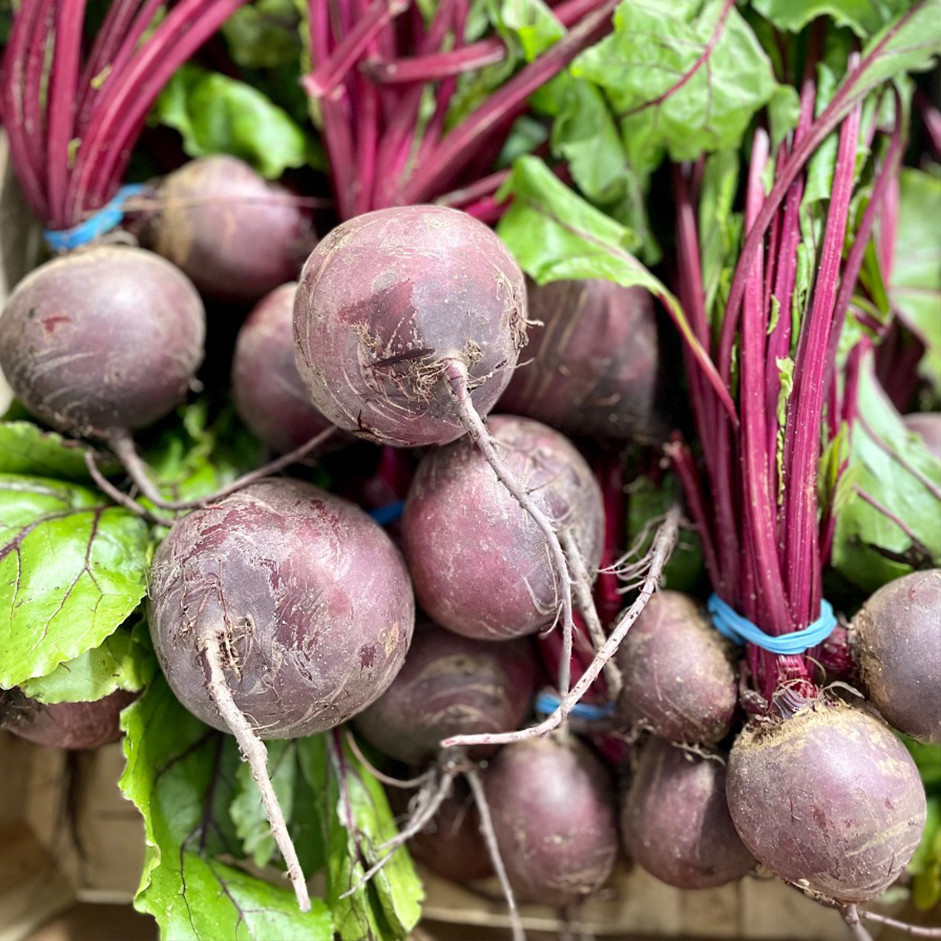
Beetroot's deep crimson colour is not decoration. it is betacyanin, one of the most potent natural antioxidants in the vegetable kingdom. The same pigment that stains your hands and your chopping board is what makes beetroot genuinely different from most root vegetables nutritionally.
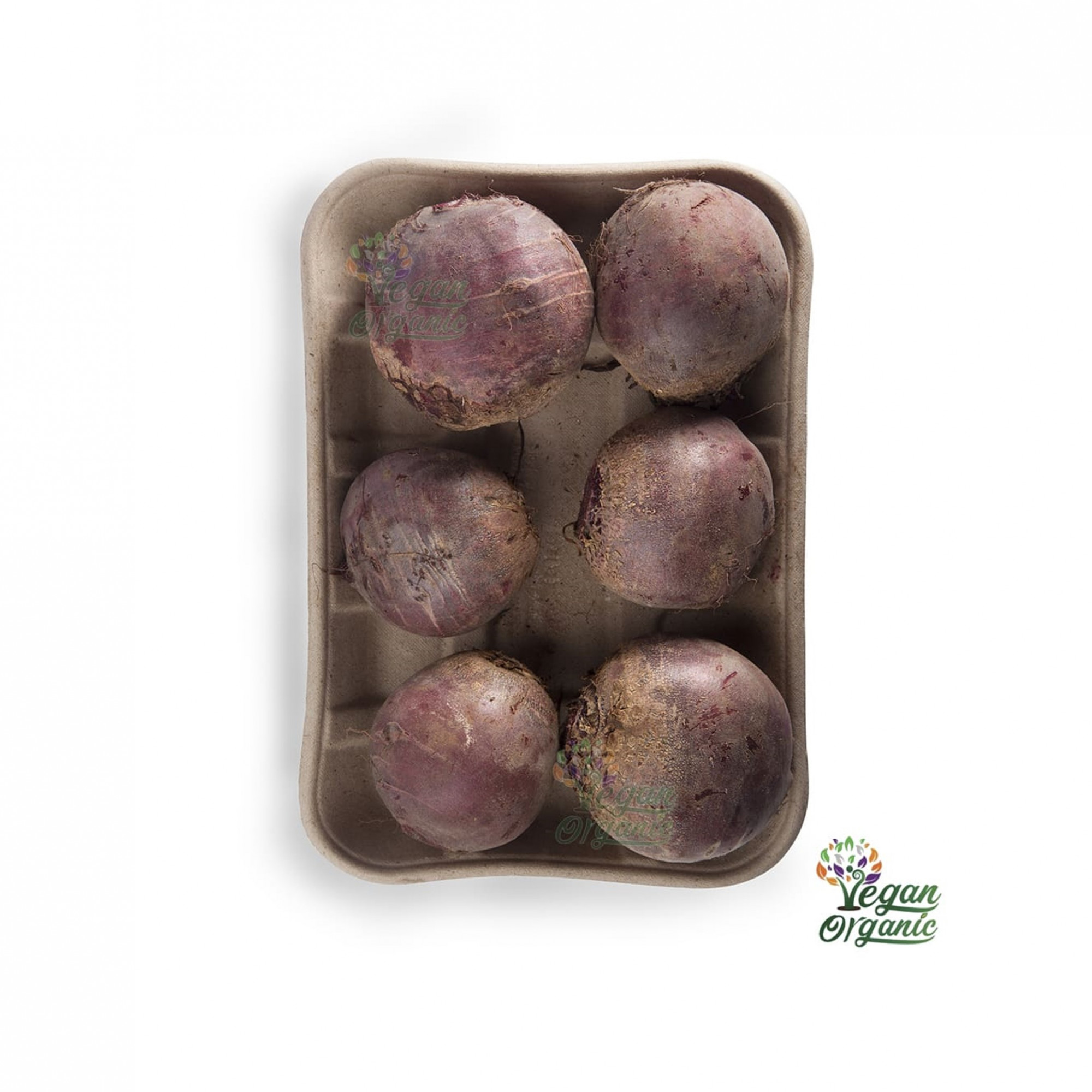
UAE-farmed, harvested on your order. Leaves removed before packing — leaf removal prevents moisture loss from the root and extends crispness significantly. What arrives at your door is firm, sweet, and full of color.
WHAT BEETROOT DOES FOR YOUR BODY
Natural nitrates — heart health and stamina:
- Beetroot is one of the richest natural sources of dietary nitrates. The body converts these to nitric oxide, which relaxes and dilates blood vessels. Improving blood flow, reducing blood pressure, and enhancing oxygen delivery to muscles. This is why beetroot juice is used by endurance athletes and why it is studied in cardiovascular health research.
Folate (Vitamin B9):
- One of the best vegetable sources of folate critical for cell production, DNA repair, and pregnancy health.
Iron:
- Meaningful plant-based iron. Combined with Vitamin C (from a squeeze of lemon in your beetroot salad), absorption increases significantly.
Betacyanin antioxidants:
- Studied for anti-inflammatory activity and for potential protection against oxidative stress , the underlying mechanism of chronic disease and cellular ageing.
HOW TO USE
Raw / juiced:
- Juice with apple, carrot, and ginger - the most popular UAE beetroot juice combination. Add lemon. Drink on an empty stomach for maximum nitrate benefit.
- Grate raw into salads with lemon, olive oil, and fresh mint. A Lebanese classic.
Roasted:
- Wrap whole unpeeled beetroots in foil. Roast at 200°C for 45–60 minutes. Peel when cool. The natural sugars caramelize completely ,a completely different vegetable from boiled beetroot.
- Slice roasted beetroot, arrange on a plate with labneh or A2 curd, scatter walnuts and fresh thyme. One of the most striking and delicious mezze plates possible.
Boiled:
Boil whole with skin on for 30–40 minutes until a knife slides in easily. Cool, peel, slice. Use in salads, raita, or grain bowls.
Beetroot raita:
Grate or dice boiled beetroot into A2 curd with roasted cumin powder, salt, and a pinch of chilli. A vibrant, cooling Indian side dish.
| Nutrient | Value | % Daily Value |
|---|---|---|
| Energy | 43 kcal |
2% |
| Total Fat | 0.2 g |
0% |
| Saturated Fat | 0 g |
0% |
| Carbohydrates | 10 g |
4% |
| Dietary Fiber | 2.8 g |
10% |
| Total Sugars | 6.8 g |
— |
| Protein | 1.6 g |
3% |
| Sodium | 78 mg |
3% |
| Vitamin A | 2 mcg RAE |
0% |
| Vitamin K | 0.2 mcg |
0% |
| Vitamin C | 4.9 mg |
5% |
| Vitamin B6 | 0.1 mg |
6% |
| Potassium | 325 mg |
7% |
| Folate (B9) | 109 mcg |
27% |
STORAGE
Refrigerate unwashed. Store in a breathable bag or the vegetable drawer. Keeps 2–3 weeks refrigerated. Do not freeze whole beetroot. But roasted or cooked beetroot freezes well for up to 3 months.
Reviews
Login
Don't have an account?
Sign UpThis is called beeturia — a completely harmless condition that affects approximately 10–14% of people after eating beetroot. It occurs because the betacyanin pigment in beetroot is not broken down during digestion in some people and passes into urine and sometimes stools. It is not a sign of bleeding or any health issue. If you experience it, it simply means your digestive system is passing the pigment intact. It resolves within 24–48 hours after eating beetroot.
Yes, beetroot leaves are edible and nutritious (high in Vitamin K, calcium, and iron, similar to Swiss chard which is a close relative). We remove leaves before packing for one reason: the leaves continue to draw moisture and nutrients from the root after harvest, accelerating wilting of both the leaves AND the root. Removing them at packing keeps your beetroot firmer, sweeter, and fresh for significantly longer. If your beetroot arrives with intact leaf stumps, these can be trimmed and the greens used in cooking if they are fresh enough.
For cardiovascular benefit, raw beetroot juice or freshly blended beetroot provides the highest concentration of natural nitrates, which your body converts to nitric oxide - a vasodilator that lowers blood pressure and improves blood flow. Studies typically use 200–250ml of beetroot juice daily. Roasting and boiling reduce the nitrate content somewhat (heat-sensitive), but still provide meaningful amounts. For anyone on blood pressure medication or with kidney disease, consult a healthcare provider before significantly increasing dietary nitrate intake.


