
Product description
THE HERB THAT BUILDS MIDDLE EASTERN FOOD
If you cook in a UAE kitchen — or eat in one — you eat parsley every week. It is the foundation of tabbouleh. The freshness in fattoush. The bright green scattered over grilled lamb, chicken shawarma, and mixed grill platters. The herb stirred into lentil soup and dropped into mezze bowls.
Parsley is not a garnish. It is a culinary staple — and when it is fresh, farm-picked, and pesticide-free, it is also one of the most nutritionally meaningful things you can eat without trying.
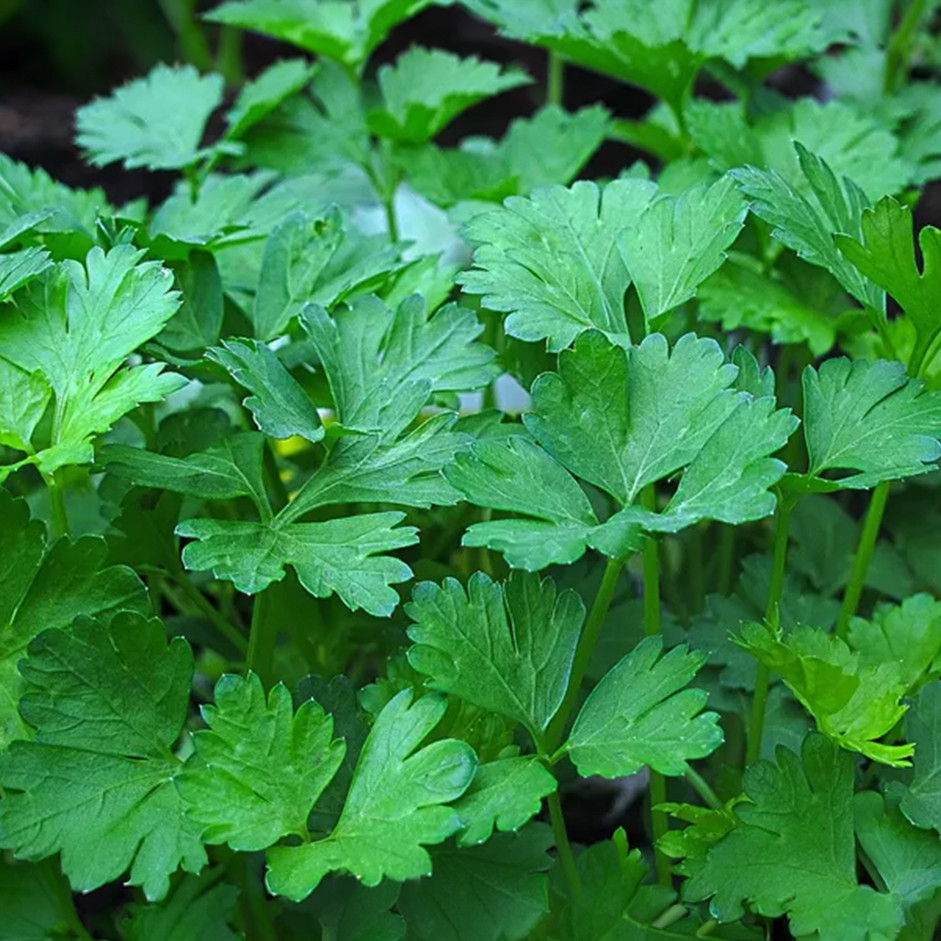
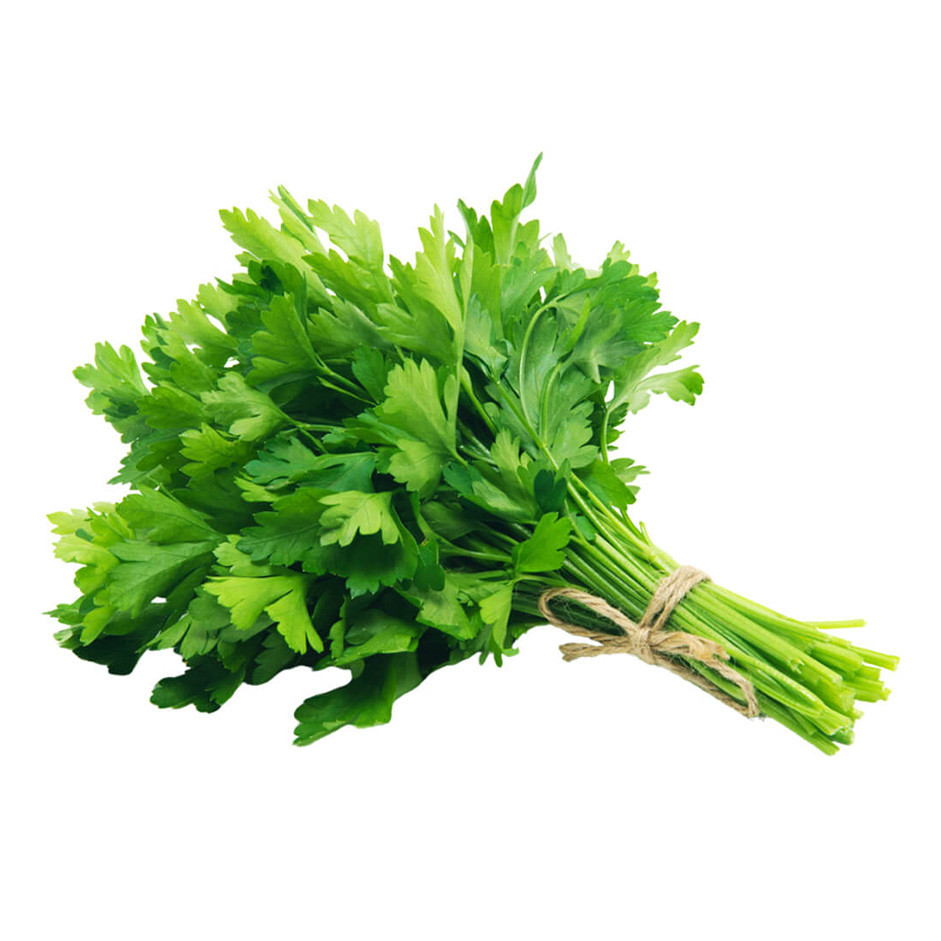
Our fresh flat-leaf parsley is picked from clean farms and delivered the same day under cold-chain conditions. Not stored for a week in a distributor's cold room. Not treated with chemical freshening sprays. Just the herb, as it left the ground — vivid, aromatic, and genuinely crisp.
WHAT PARSLEY ACTUALLY DOES FOR YOUR BODY
Most people treat parsley as decoration. The nutritional reality is completely different.
Vitamin K — over 100% DV per 30g serving:
Vitamin K is essential for bone density (it activates the proteins that bind calcium into bone), blood clotting, and cardiovascular health (it prevents arterial calcification). Parsley is one of the richest food sources of Vitamin K available. A generous handful used in tabbouleh covers your full daily requirement — and most people in the UAE are chronically under-supplied with Vitamin K because leafy green consumption is low.
Vitamin C — approximately 40% DV per 30g serving:
Vitamin C supports immune function, collagen production (skin, joints, gums), and iron absorption. Fresh parsley delivers it in meaningful quantity — and unlike many Vitamin C-rich fruits, parsley has no sugar.
Iron — plant-based, meaningful, better absorbed with lemon:
Parsley contains non-haem iron — the plant-based form. The Vitamin C in parsley itself (and in the lemon typically used in tabbouleh) significantly improves absorption of this iron. A traditional tabbouleh is, nutritionally, a near-perfect plant-based iron absorption mechanism.
Folate (Vitamin B9):
Critical for cell production, DNA repair, and pregnancy health. Fresh parsley is a meaningful source — particularly relevant for women of childbearing age.
Antioxidants — luteolin, apigenin, beta-carotene:
These flavonoids reduce chronic inflammation and have been studied for their role in cardiovascular and cellular protection. Eating parsley as a food (rather than taking it as a supplement) is the most bioavailable form.
HOW TO USE FRESH PARSLEY
Middle Eastern staples:
- Tabbouleh: finely chop 2 large bunches with 1 bunch of mint, tomato, spring onion, and soaked bulgur. Dress generously with lemon and olive oil. Let rest 20 minutes before serving.
- Fattoush: tear leaves roughly into the salad with romaine, cucumber, radish, tomato, and toasted pita chips. Dress with pomegranate molasses, olive oil, and lemon.
- Garnish: scatter over hummus, grilled meat platters, mixed grill, and rice dishes — use generously, not as decoration, as a flavour component.
- Lentil soup: stir finely chopped parsley into lentil or vegetable soup in the final minute of cooking for brightness and nutrition.
Dressings and sauces:
- Chermoula: blend with garlic, cumin, paprika, lemon, olive oil, and coriander for a North African herb marinade for fish or chicken.
- Parsley vinaigrette: blend with olive oil, garlic, lemon, and mustard for salad dressing or drizzling over roasted vegetables.
- Green sauce (salsa verde): combine with capers, anchovies (optional), garlic, olive oil, and vinegar — the Italian accompaniment to grilled meat and fish.
South Asian:
- Green chutney: blend with coriander, mint, green chilli, garlic, ginger, and lemon — parsley adds body and a different aromatic dimension to the classic combination.
- Raita base: stir finely chopped parsley into A2 curd with cumin and salt for a herb raita.
Everyday additions:
- Add a handful to any green smoothie — it adds Vitamin K and iron without significantly changing the flavour.
- Stir into scrambled eggs or omelettes in the last 30 seconds.
- Mix into grain bowls, quinoa salads, or protein bowls as a fresh herb component.
Nutrition
Servings per 100g
| Nutrient | Value | % Daily Value |
|---|---|---|
| Energy | 36 kcal | 1% |
| Saturated Fat | 0.1 g | 0% |
Protein | 3.0g | 2% |
| Iron | 6.2 mg | 6% |
| Total Carbohydrate | 6.3g | 1% |
| Dietary Fiber | 3.3g | 3% |
Vitamin K | 820 mcg | 205% |
Vitamin C | 133mg | 44% |
Vitamin A (beta-carotene) | 421 mcg RAE | 14% |
STORAGE IN UAE CONDITIONS
1. Do not wash until ready to use — moisture on unwashed leaves accelerates decay.
2. Wrap loosely in a slightly damp paper towel. Place in an airtight container or zip-lock bag. Refrigerate.
3. Alternatively: stand the bunch in a glass with 2–3cm of water, cover loosely, and refrigerate. Change the water every 2 days.
4. Best consumed within 3–5 days of delivery. Can last up to 7 days with the water-glass method.
SOURCING
Sourced from farms that use no synthetic pesticides, herbicides, or post-harvest chemical treatments. Delivered under cold chain. No chemical dips, no freshening sprays, no wax coatings.
Reviews
Login
Don't have an account?
Sign UpParsley is the backbone of several UAE and Middle Eastern kitchen staples. In tabbouleh — the region's most beloved salad — it is the dominant ingredient, finely chopped and combined with bulgur, tomato, spring onion, lemon, and olive oil. In fattoush it adds freshness and colour. It is used as a generous garnish over grilled lamb, chicken, and fish platters; stirred into soups, stews, and lentil dishes; blended into chermoula (a North African herb marinade for meat and fish); and mixed into grain bowls and mezze spreads. Flat-leaf parsley — as opposed to curly parsley — is the correct variety for all Middle Eastern applications, and is what we supply.Parsley is the backbone of several UAE and Middle Eastern kitchen staples. In tabbouleh — the region's most beloved salad — it is the dominant ingredient, finely chopped and combined with bulgur, tomato, spring onion, lemon, and olive oil. In fattoush it adds freshness and colour. It is used as a generous garnish over grilled lamb, chicken, and fish platters; stirred into soups, stews, and lentil dishes; blended into chermoula (a North African herb marinade for meat and fish); and mixed into grain bowls and mezze spreads. Flat-leaf parsley — as opposed to curly parsley — is the correct variety for all Middle Eastern applications, and is what we supply.
Fresh parsley is one of the most nutrient-dense herbs available. A 30g serving (a generous handful used in tabbouleh) provides over 100% of the daily recommended intake of Vitamin K — essential for bone density, blood clotting, and cardiovascular health. The same serving delivers approximately 40% of daily Vitamin C (immune function and skin collagen), meaningful iron (for energy and oxygen transport), folate (critical for cell production and pregnancy health), and a range of flavonoid antioxidants — particularly luteolin and apigenin — that reduce chronic inflammation. Eating parsley regularly, rather than using it as a sprinkle garnish, delivers genuinely meaningful nutritional value.Fresh parsley is one of the most nutrient-dense herbs available. A 30g serving (a generous handful used in tabbouleh) provides over 100% of the daily recommended intake of Vitamin K — essential for bone density, blood clotting, and cardiovascular health. The same serving delivers approximately 40% of daily Vitamin C (immune function and skin collagen), meaningful iron (for energy and oxygen transport), folate (critical for cell production and pregnancy health), and a range of flavonoid antioxidants — particularly luteolin and apigenin — that reduce chronic inflammation. Eating parsley regularly, rather than using it as a sprinkle garnish, delivers genuinely meaningful nutritional value.
UAE's heat and humidity accelerate wilting. The best approach: do not wash the parsley until you are ready to use it — moisture on unwashed leaves accelerates decay. Wrap the bunch loosely in a slightly damp paper towel, place in an airtight container or zip-lock bag, and refrigerate. This maintains freshness and crispness for 3–5 days. Alternatively, stand the bunch upright in a glass with 2–3cm of water (like cut flowers), cover loosely with a bag, and refrigerate — changing the water every 2 days. This method can extend freshness to 7 days and is particularly effective for larger bunches.UAE's heat and humidity accelerate wilting. The best approach: do not wash the parsley until you are ready to use it — moisture on unwashed leaves accelerates decay. Wrap the bunch loosely in a slightly damp paper towel, place in an airtight container or zip-lock bag, and refrigerate. This maintains freshness and crispness for 3–5 days. Alternatively, stand the bunch upright in a glass with 2–3cm of water (like cut flowers), cover loosely with a bag, and refrigerate — changing the water every 2 days. This method can extend freshness to 7 days and is particularly effective for larger bunches.
Yes. and it matters significantly for cooking. Flat-leaf parsley (also called Italian parsley or baqdounis) has a much more intense, complex flavour than curly parsley earthier, slightly peppery, and robustly aromatic. Curly parsley is milder and is primarily used as a decorative garnish in Western cuisines. Flat-leaf parsley is the correct variety for all Middle Eastern cooking, including tabbouleh, fattoush, chermoula, and mezze — and is what professional chefs and home cooks across the UAE use. Our parsley is flat-leaf.Yes and it matters significantly for cooking. Flat-leaf parsley (also called Italian parsley or baqdounis) has a much more intense, complex flavour than curly parsley earthier, slightly peppery, and robustly aromatic. Curly parsley is milder and is primarily used as a decorative garnish in Western cuisines. Flat-leaf parsley is the correct variety for all Middle Eastern cooking, including tabbouleh, fattoush, chermoula, and mezze and is what professional chefs and home cooks across the UAE use. Our parsley is flat-leaf.
Yes. Our fresh parsley is sourced from farms that do not use synthetic pesticides, herbicides, or post-harvest chemical treatments. Fresh herbs are one of the highest-risk categories for pesticide residue in conventional food systems — they are consumed raw, often in large quantities in dishes like tabbouleh, and are not cooked or peeled before eating. At Rootz, we source only from verified clean farms, deliver under cold-chain conditions, and do not use chemical freshening dips, wax coatings, or colour-preserving treatments. The colour, crispness, and aroma you receive are entirely natural.Yes. Our fresh parsley is sourced from farms that do not use synthetic pesticides, herbicides, or post-harvest chemical treatments. Fresh herbs are one of the highest-risk categories for pesticide residue in conventional food systems — they are consumed raw, often in large quantities in dishes like tabbouleh, and are not cooked or peeled before eating. At Rootz, we source only from verified clean farms, deliver under cold-chain conditions, and do not use chemical freshening dips, wax coatings, or colour-preserving treatments. The colour, crispness, and aroma you receive are entirely natural.


