
Product description
There is a reason that across North India, Maharashtra, Andhra Pradesh, and Tamil Nadu, yellow cucumber is the vegetable people reach for when the heat is unbearable.
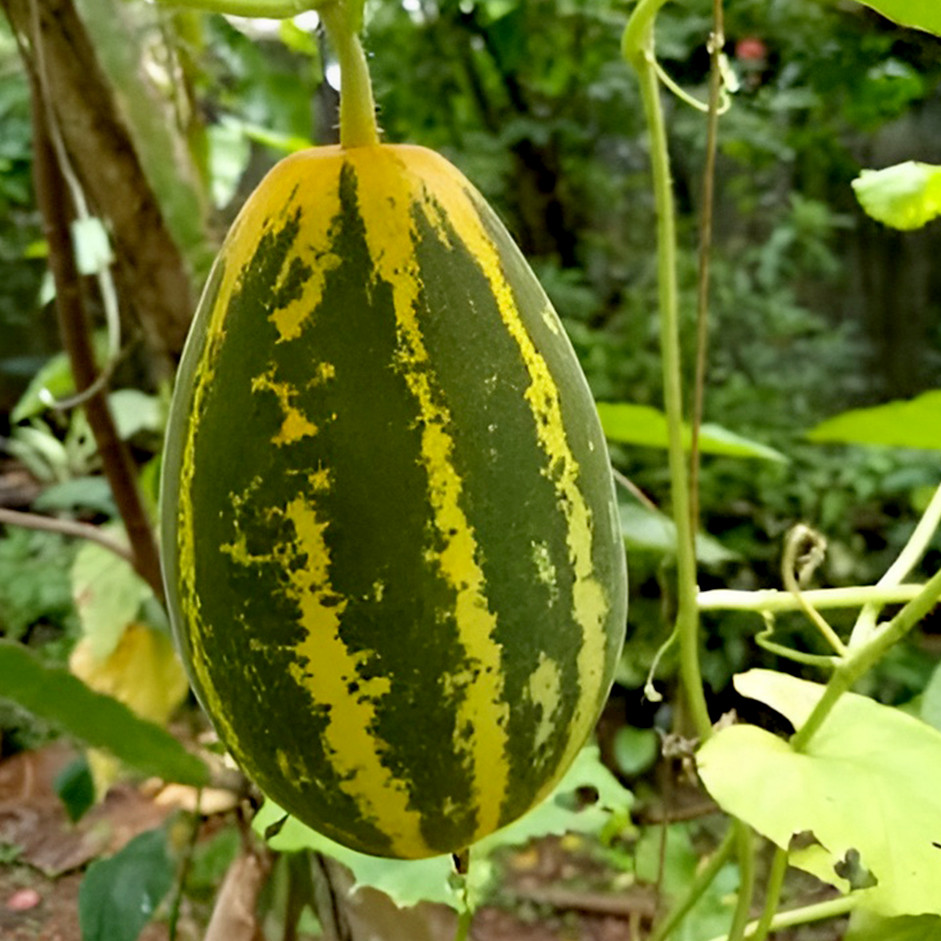
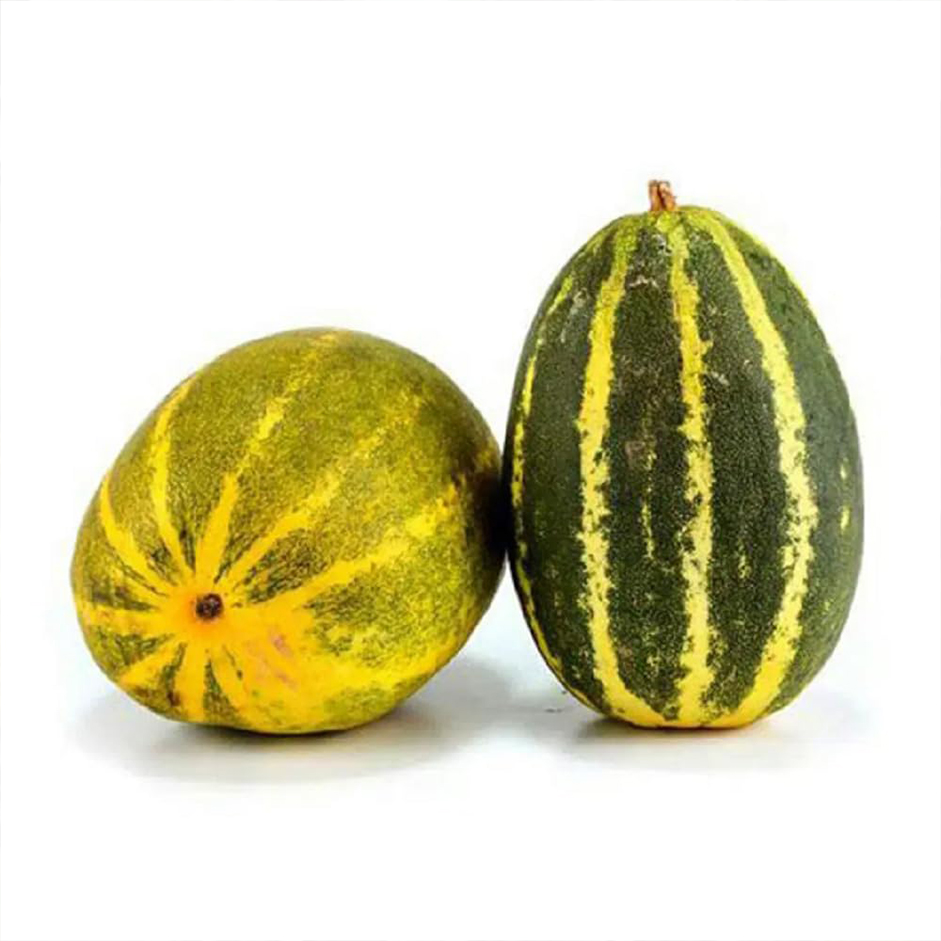
It is not a green cucumber that has turned yellow. It is a distinct Indian variety — kakdi in Hindi, dosakaya in Telugu, vellarikka in Malayalam — harvested at the stage when its bitterness has completely disappeared, its natural sugars have developed, and its water content has peaked at approximately 96% of its total weight.
That last number matters more than it sounds. Ninety-six percent water by weight — bound with electrolytes, potassium, silica, and minerals — makes yellow cucumber one of the most effective hydrating foods available. Not a sports drink. Not a supplement. A vegetable that your great-grandmother kept on the counter in summer because she understood what it did, even if she did not have the language of cellular hydration and electrolyte balance to describe it.
WHY YELLOW, NOT GREEN
Standard green cucumbers sold in UAE supermarkets are European varieties (Cucumis sativus) bred for uniformity, shelf life, and appearance. They are wax-coated (the skin must be peeled). They are picked unripe. The bitterness in green cucumber comes from cucurbitacin compounds that have not yet been bred out or allowed to metabolise — they decrease as the fruit ripens toward yellow.
Indian yellow cucumber varieties — kakdi and dosakaya — are grown to natural ripeness. The cucurbitacin bitterness is absent. The skin is thin, unwaxed, and edible. The seeds are more prominent and more flavourful. The taste is noticeably sweeter, with a clean finish that green cucumber rarely achieves.
This is not a novelty. This is what cucumber tastes like when it is grown properly, to full ripeness, without commercial post-harvest processing.
THE AYURVEDIC CASE
In classical Ayurvedic medicine, yellow cucumber is classified as a pitta-pacifying food. Pitta dosha governs heat, inflammation, digestive fire, and metabolic processes. Excess pitta — which almost every person living in the UAE experiences in summer — manifests as skin inflammation, acid reflux, burning sensations, excessive sweating, irritability, and heat-related fatigue.
Yellow cucumber's sheeta (cooling) and madhura (sweet) qualities make it one of the primary Ayurvedic summer prescriptions. Kakdi juice taken first thing in the morning on an empty stomach was prescribed in classical Ayurveda for kidney support, pitta reduction, and urinary tract health. The science behind this is sound: the mild diuretic action of cucumber increases urine output, flushing uric acid crystals, reducing kidney stone risk, and clearing urinary tract bacteria.
WHAT THE SCIENCE SAYS
- Hydration and electrolytes: At 96% water content with 147mg potassium per 100g and meaningful magnesium, yellow cucumber contributes directly to electrolyte-balanced hydration — more effective than plain water for replacing what the UAE heat draws out of the body.
- Silica and skin health: Cucumber is one of the highest dietary sources of silica — the mineral responsible for collagen cross-linking and skin elasticity. Regular consumption of cucumber skin is associated with improved skin hydration and reduced appearance of fine lines in dermatological studies.
- Vitamin K (16% DV per 100g): Essential for blood clotting, bone mineralisation, and cardiovascular protection. A surprisingly significant micronutrient contribution for a vegetable that is 96% water.
- Antioxidants: Yellow cucumber contains cucurbitacin-free flavonoids including fisetin, which has been studied for neuroprotective and anti-inflammatory effects, and beta-carotene in small quantities from the yellow pigmentation.
- Kidney support: The diuretic action of cucumber has been demonstrated in clinical settings. Regular consumption increases urine volume and reduces urinary oxalate concentration — both factors in kidney stone prevention.
| Nutrient | Per serving | Per 100g | % Daily Value* |
|---|---|---|---|
| Energy | 15 kcal / 63 kJ | 15 kcal / 63 kJ | 1% |
| Total fat | 0.1g | 0.1g | 0% |
| Saturated fat | 0g | 0g | 0% |
| Trans fat | 0g | 0g | — |
| Total carbohydrates | 3.6g | 3.6g | 1% |
| Dietary fibre | 0.5g | 0.5g | 2% |
| Sugars (natural) | 1.7g | 1.7g | — |
| Protein | 0.7g | 0.7g | 1% |
| Sodium | 2mg | 2mg | 0% |
| Vitamin K | 16.4mcg | 16.4mcg | 14% |
| Vitamin C | 2.8mg | 2.8mg | 3% |
| Potassium | 147mg | 147mg | 3% |
| Magnesium | 13mg | 13mg | 3% |
| Folate | 7mcg | 7mcg | 2% |
| Water content | ~96g | ~96g | — |
| Silica + Cucurbitacin-Free Flavonoids (Fisetin) † | Silica: ~2mg per 100g · Fisetin: trace | — | — |
HOW TO USE YELLOW CUCUMBER EVERY DAY
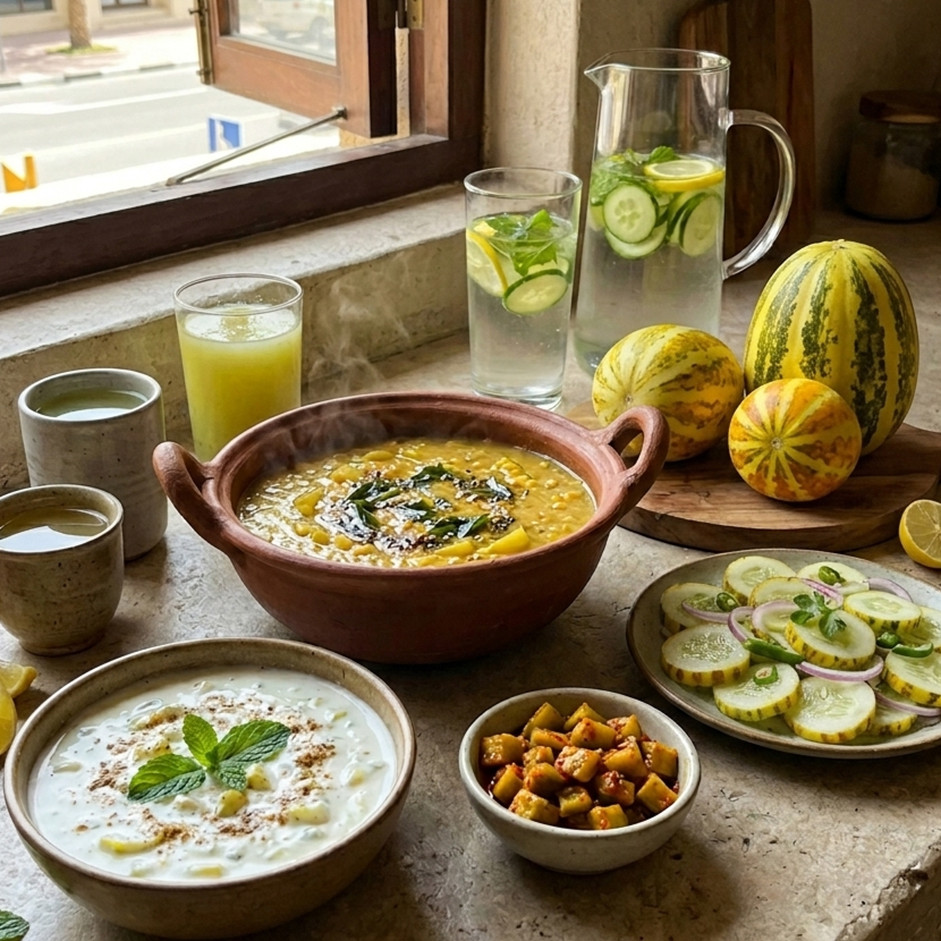
- Kakdi raita (the daily essential): Grate 1 medium yellow cucumber. Squeeze gently. Mix with 200g A2 desi curd, roasted cumin powder, black salt, and fresh mint. Serve chilled. The most cooling side dish in the Indian kitchen — particularly important alongside oily, spiced, or heavy meals.
- Kakdi salad (North Indian): Slice into rounds with red onion, coriander, green chilli, chaat masala, and lemon. Ready in 3 minutes. A standard accompaniment to any Indian meal.
- Dosakaya pappu (South Indian dal): Dice and add to pressure-cooked toor dal with tomatoes, tamarind, and a mustard-curry leaf tadka in A2 ghee. The yellow cucumber dissolves partially into the dal, thickening it and adding a mild sweetness that defines this Andhra classic.
- Cucumber detox water: Slice and add to 1 litre cold water with mint and lemon. Refrigerate 2 hours. Drink throughout the day — particularly effective during UAE summer for replacing electrolytes lost through sweat
- Kakdi juice (Ayurvedic morning drink): Blend whole yellow cucumber with fresh ginger, black salt, and water. Strain. Drink on an empty stomach. A traditional pitta-reduction and kidney-support protocol from classical Ayurveda.
- Instant dosakaya pickle: Dice, mix with mustard seeds, red chilli powder, fenugreek, salt, and sesame oil. Ready in 30 minutes. Keeps refrigerated for 5 days.


