
Product description
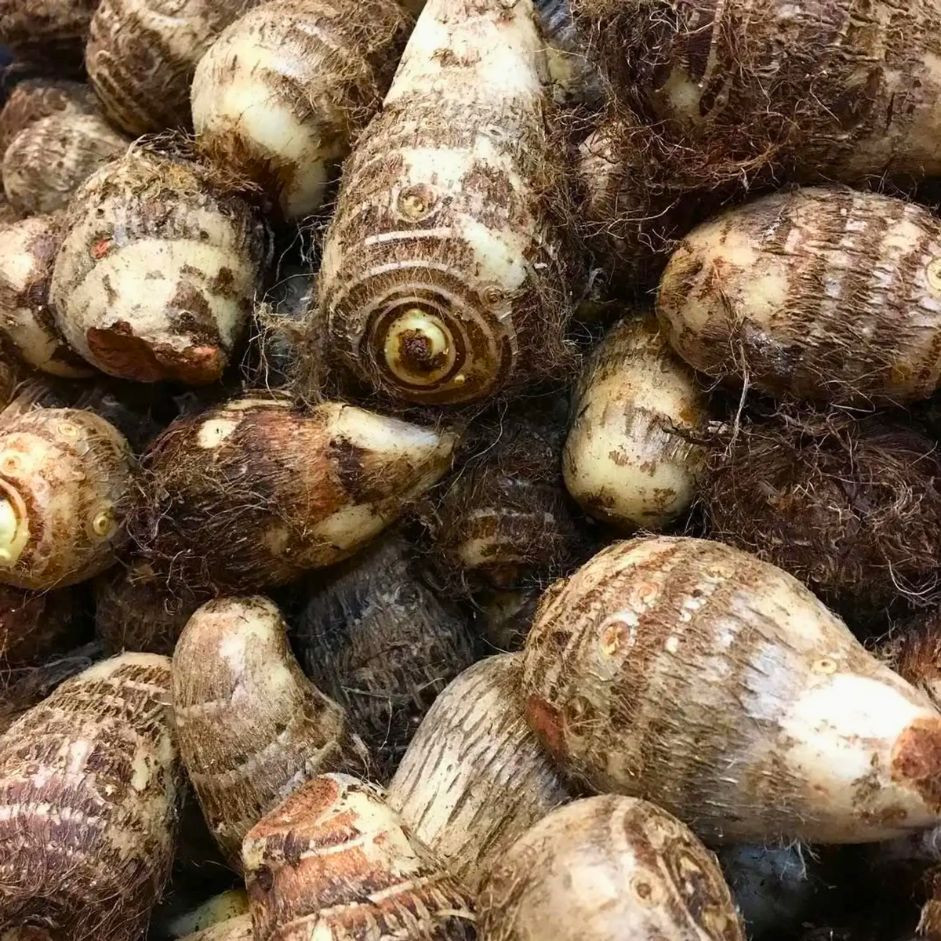
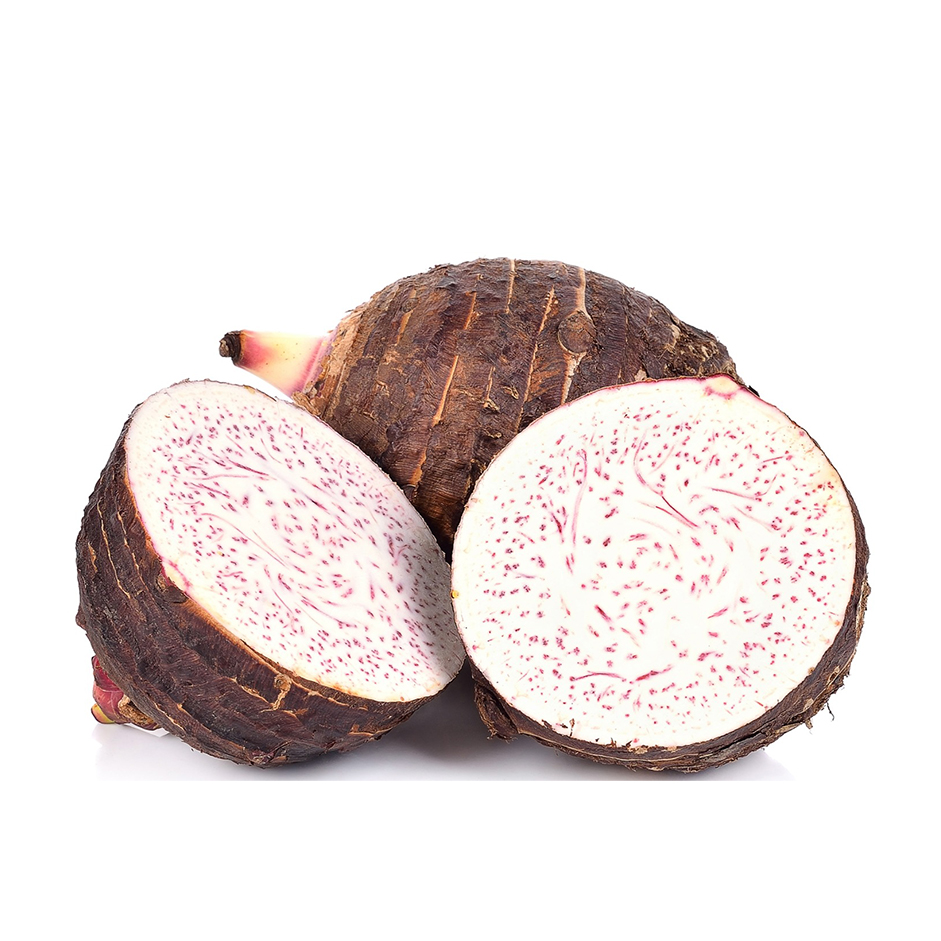
Why arvi is good for your family:
- Gut health: Resistant starch acts as a prebiotic, feeding beneficial gut bacteria and supporting butyrate production
- Blood sugar balance: Very low GI (é6) — complex carbohydrates that release energy slowly without blood sugar spikes
- Heart health: High potassium, very low sodium — supports healthy blood pressure
- Digestive comfort: More than twice the fibre of potatoes — aids regularity and reduces bloating
- Energy: Complex carbohydrates provide sustained, stable energy throughout the day
- Iron and folate: Important for preventing anaemia and supporting energy; especially relevant for women and during pregnancy
- Vitamin E: Supports muscle health, nerve function, and skin cell renewal
- Vitamin C: Immune support and collagen production
How to cook arvi:
- Steam or pressure cook first (2–3 whistles) — makes peeling easy and removes the skin’s sliminess
- Arvi Gosht: slow cook with lamb or mutton, whole spices, tomatoes, and yogurt — the Pakistani celebration dish
- Arbi Masala (dry): fry peeled boiled arvi until golden, then toss in onion, tomato, cumin, and coriander
- Dum Arvi (Kashmiri): cooked under pressure in a spiced yogurt gravy — restaurant-quality at home
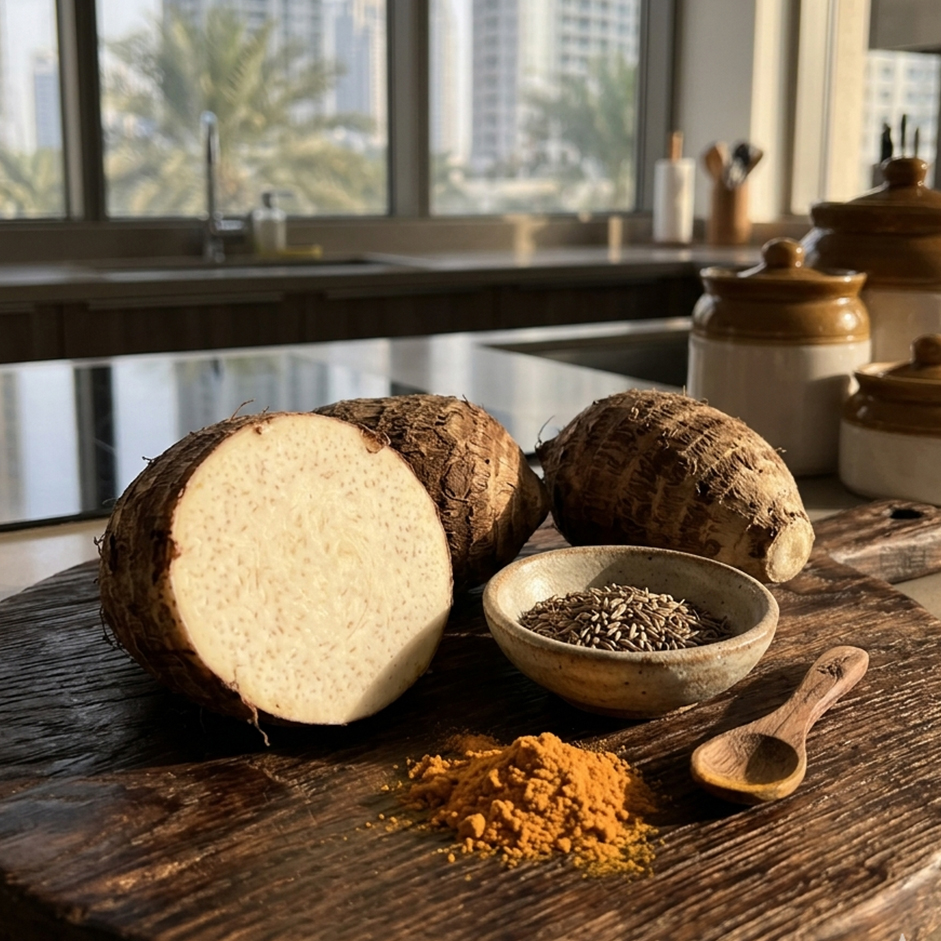
- Achari Arbi: cooked with pickle spices — mustard, fenugreek, nigella, fennel, and carom seeds
- Simple fry: boil, peel, slice into discs, fry until golden. Salt, lemon, and green chilli. Done.
- Baby arvi / small corms: fry whole after parboiling for a crisp outside and soft inside
Storage:
Store raw arvi in a cool, dry, dark place (not in the refrigerator). They keep well for 7–10 days. Do not store in plastic bags — they need air circulation. Once cooked, refrigerate and use within 2–3 days.


