Top Reasons UAE Families Are Choosing Organic Food
Introduction: Something Has Quietly Shifted in UAE Kitchens
Nobody announced it. There was no single moment that changed everything. But across homes in the UAE… in Dubai, Abu Dhabi, Sharjah, and growing communities across the Emirates, a quiet but significant shift is happening at the grocery list level.
Families who have relied on the same supermarket staples, imported grains, polished rice, and commercial cooking fats for years are starting to ask different questions. They are reading labels more carefully. Checking country of origin. Looking for certified organic options they may not have considered just a few years ago.
The reasons behind this shift are not identical. Every household arrives at organic food through a different path. But the patterns are clear. Whether it is growing awareness around food quality, concern about long-term health, or simply the desire to make more informed choices in a market full of options, UAE consumers are becoming more intentional about what goes into their kitchens — and what no longer does.
Reason 1: Their Children Become the Turning Point
Ask any parent in the UAE who has shifted toward organic food when the decision happened, and the answer is often the same: when they had children.
The reasoning is simple and hard to ignore. Children consume more food relative to their body weight than adults. Their organs are still developing. Their natural detox systems are not yet fully mature. This means that any exposure to residues, additives, or heavily processed ingredients in everyday food can have a more pronounced long-term impact during these critical growth years.
In a country like the UAE, where a large portion of food is imported and supply chains are complex, many parents are becoming more conscious about quality and sourcing. When a parent begins to associate their child’s frequent bloating, low energy, or recurring minor illnesses with daily diet rather than weather changes or routine stress, the perspective shifts quickly.
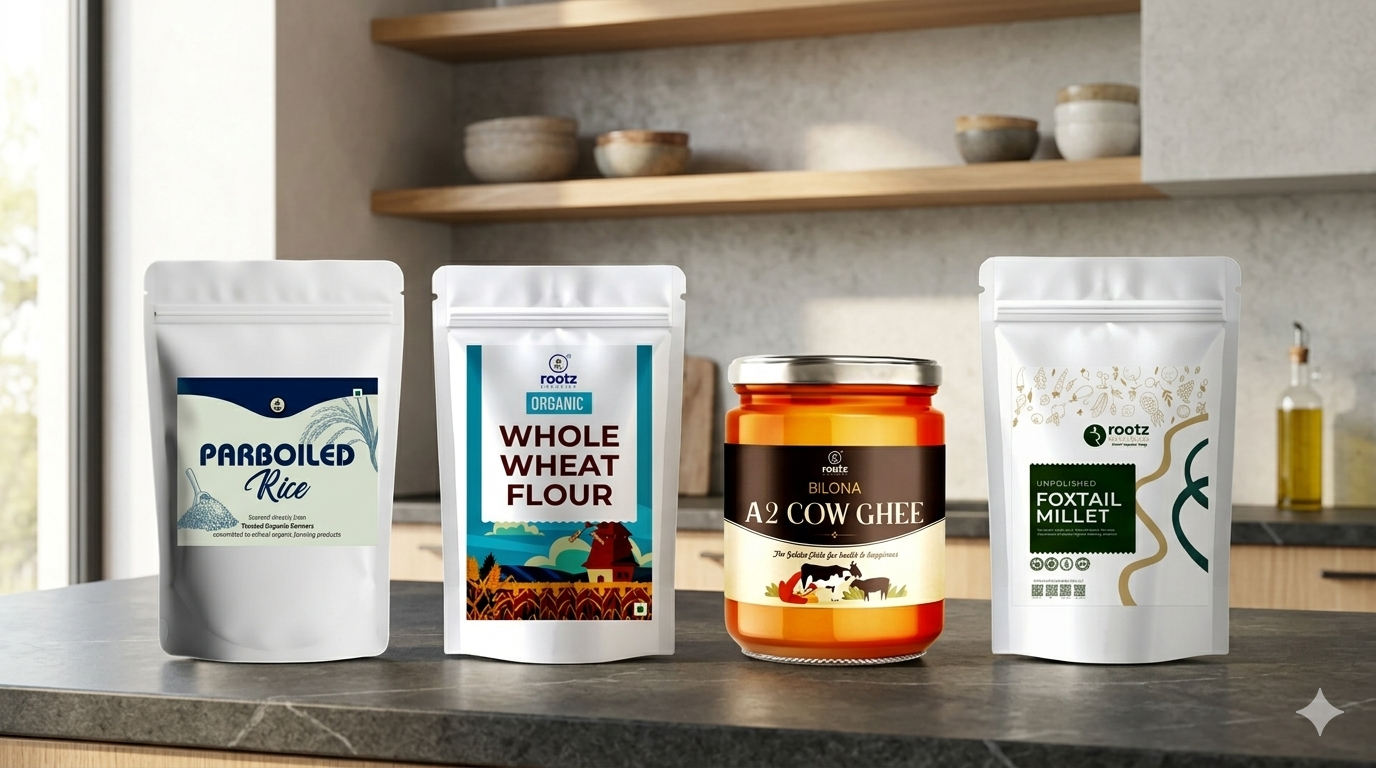
At that point, organic food products —particularly clean staples like rice, whole wheat flour (atta), and traditionally prepared ghee—stops being viewed as a premium lifestyle upgrade and starts becoming a more deliberate, health-focused choice for the family.
Reason 2: Lifestyle Diseases Are Appearing Earlier Than Expected
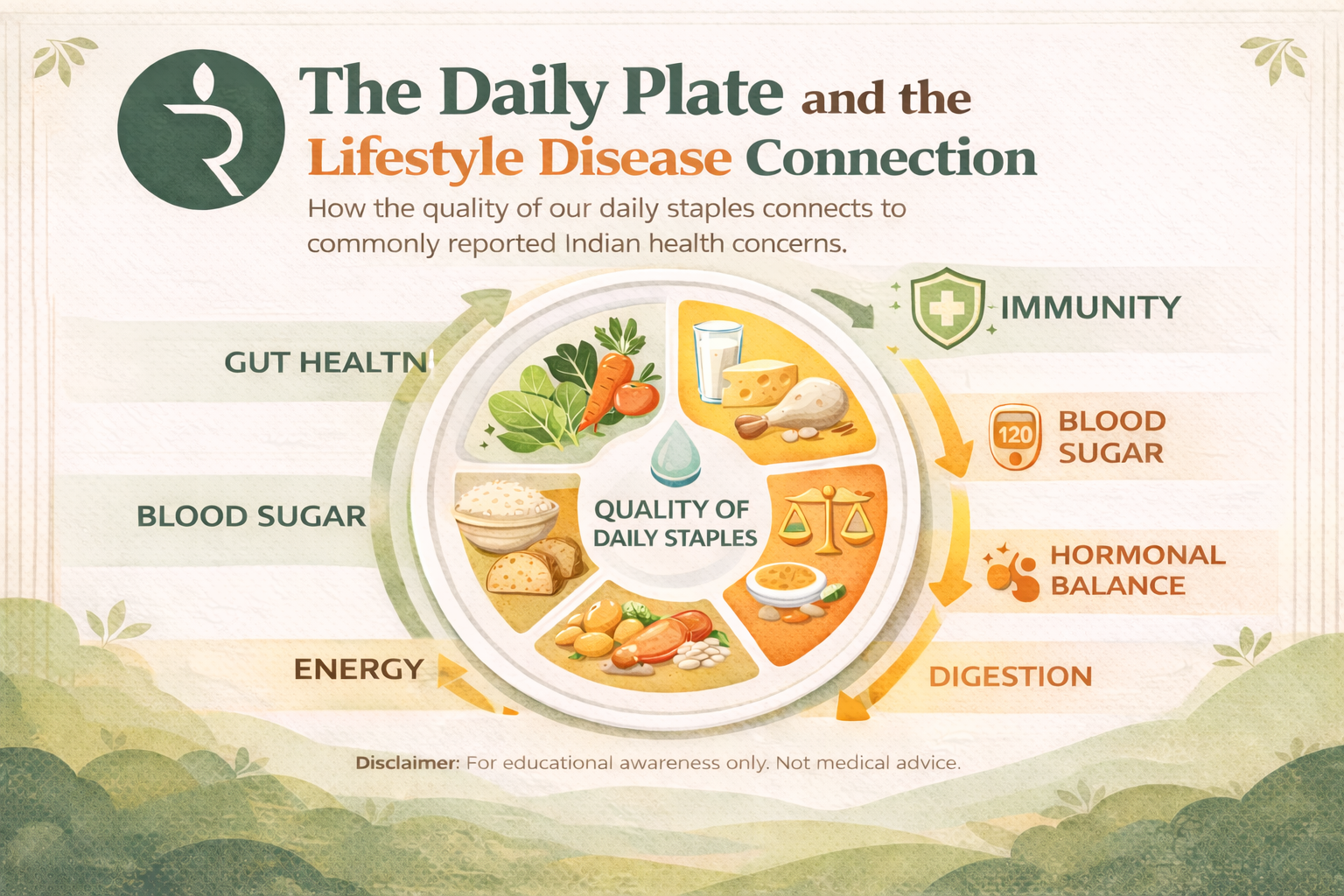
The UAE is witnessing a steady rise in lifestyle-related health conditions that are no longer limited to older age groups. Issues like diabetes, thyroid imbalances, digestive disorders, and chronic inflammation are increasingly being diagnosed in people in their thirties and forties—and in many cases, even earlier.
Families seeing parents, siblings, or partners manage these conditions often begin to ask more fundamental questions. What exactly are we consuming every day? How has our diet evolved with modern, convenience-driven food systems? And most importantly, what changes can realistically be made at home?
In a region where packaged, processed, and imported foods are widely consumed, this reflection often leads back to the basics. Organic staples offer a practical starting point. When everyday essentials like rice, organic flours, and cooking fats are cleaner and less processed, it helps reduce unnecessary dietary load over time.
It is not positioned as a quick fix, but as a steady, long-term adjustment. By improving the quality of what forms the base of daily meals, many households in the UAE are choosing a more mindful approach to managing health risks—one meal at a time.
Reason 3: The Taste Difference Becomes Hard to Ignore
This often surprises people in the UAE who have not yet made the switch. They expect potential health benefits, but they do not expect to notice a clear difference in taste right away.
But with organically sourced food—especially minimally processed grains, traditionally milled flour, and carefully prepared ghee—the difference can be noticeable. The aroma of fresh atta on a hot tawa, the fuller flavour of a simple dal, or the richness of well-made ghee compared to standard commercial options available in supermarkets.
In a country like the UAE, where food comes from diverse global supply chains, many products are designed for long shelf life and uniformity. That often comes at the cost of natural flavour. Organic and less-processed foods, on the other hand, tend to retain more of their original character.
This is not about nostalgia. It is a result of how the food is grown and handled—from soil quality to processing methods. Once households experience this difference in everyday meals, returning to highly processed alternatives can feel like a noticeable compromise in both taste and overall food experience.

Reason 4: Growing Awareness of What Goes Into Everyday Food
Consumers in the UAE are more informed today than ever before. They follow nutrition experts, read ingredient labels carefully, and have access to global research and documentaries that were not as easily available a decade ago. As a result, there is a growing curiosity—and concern—about what goes into everyday food.
In a market like the UAE, where a large share of food is imported from multiple countries, quality can vary depending on sourcing, farming practices, and processing methods. Packaged foods often prioritize shelf life, appearance, and consistency. This can sometimes involve refining processes, additives, or preservatives that reduce the natural nutritional value of the original ingredient.
For many households, even a basic understanding of how food is grown, processed, and transported is enough to trigger a shift in buying behavior. The focus moves from just convenience and price to questions of sourcing, transparency, and overall quality.
Once consumers begin paying closer attention to these factors, choosing cleaner, more transparently produced staples feels less like a trend and more like a logical step toward making better-informed decisions at home.

Reason 5: Organic Food Has Become More Accessible Than Before
For a long time, the biggest barriers to choosing organic food in the UAE were clear: higher prices and limited availability. Both of these factors have started to shift in recent years.
The growth of online grocery platforms, specialty organic stores, and direct-to-consumer brands has made it easier for households to access cleaner food options without relying solely on premium retail spaces. With better supply chains and increasing demand, organic staples are no longer as difficult to find as they once were.
When viewed in terms of overall meal cost rather than price per kilogram, the difference often becomes more manageable than it initially appears. For many families, this reframes organic food from being an occasional purchase to something that can be incorporated more regularly into everyday cooking.
More importantly, transparency is improving. Consumers in the UAE now have better access to information about sourcing, certifications, and production practices. This makes it easier to make informed choices based not just on branding, but on actual product quality.
As availability continues to improve and awareness grows, organic food is gradually moving from a niche category to a more practical option for households looking to make consistent, long-term changes in how they eat.
Conclusion: This Is Not a Trend. It Is a Shift Toward Better Choices
Families in the UAE choosing organic food are not following a passing wellness trend. They are making a conscious, practical decision to be more mindful about what goes into their daily meals—and to move closer to food that is simpler, cleaner, and more transparently sourced.
The motivations vary. For some, it begins with a child’s recurring health concerns. For others, it is a diagnosis within the family, or a growing awareness of how modern food systems have changed over time. For many, it is simply the result of paying closer attention to ingredient labels and wanting to make more informed decisions.
But the outcome is similar: a kitchen where food is chosen with intention—where quality, traceability, and balance matter more than just convenience.
FAQs
Q: Why are families in the UAE switching to organic food?
A: Common reasons include concern for children's health, increasing awareness about food sourcing and processing, the rise of lifestyle-related health issues, and a noticeable difference in taste and quality of less-processed, organically sourced staples.
Q: Is organic food affordable for households in the UAE?
A: While organic products can carry a higher upfront price, the difference often becomes more manageable when viewed per meal rather than per kilogram. Many families consider it a practical long-term investment in food quality and overall well-being.
Q: Where should I start when switching to organic food in the UAE?
A: Begin with everyday staples your family consumes regularly—such as rice, whole wheat flour, cooking oils or ghee, and grains like millets. These form the foundation of daily meals and offer the most meaningful impact when upgraded in quality.
Q: How do I know if organic food in the UAE is genuinely certified?
A: Look for recognized organic certification labels on packaging, such as UAE Organic, EU Organic, or USDA Organic certifications. Reputable brands also provide transparency around sourcing, certifications, and supply chains to help consumers make informed choices.
Q: Does switching to organic food require changing how I cook or what I eat?
A: Not at all. Organic staples are used exactly like conventional ones. Your cooking methods remain the same—whether it’s making roti, cooking rice, or preparing everyday dishes. The difference lies in the quality of the ingredients, not the way you use them.
-
Psyllium Husk and Whole Seeds: The Simple Fibre Upgrade Every UAE Kitchen Needs
September 11th, 2026 -
 August 14th, 2026
 -
 August 14th, 2026