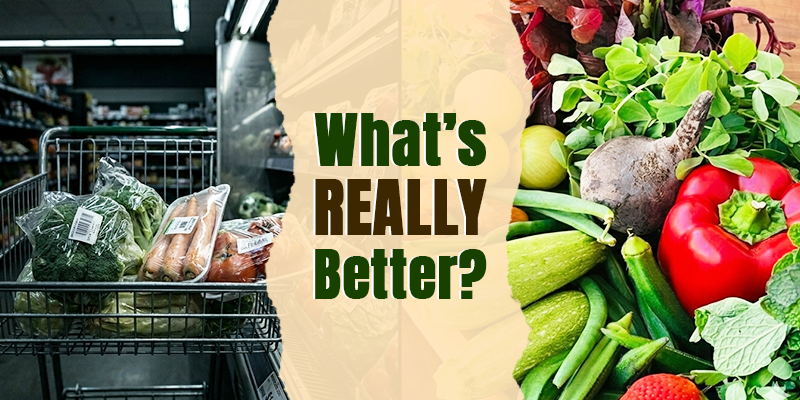
Organic Food vs Regular Food: What You Need to Know
Across the UAE, food choices are evolving rapidly. Consumers are no longer guided solely by taste or price—they are asking deeper questions about quality, sourcing, nutrition, and long-term health impact. This shift has brought a key discussion into focus: Organic Food vs Regular Food.
At first glance, the difference may seem simple—organic food is “natural” and regular food is “conventional.” But the reality is far more nuanced. From farming methods to nutritional value, environmental impact to lifestyle alignment, the gap between these two categories affects not only what you eat but how you live.
This comprehensive guide is designed to give you a clear, evidence-based understanding of both food systems, helping you make smarter and more informed decisions in a UAE context where quality, convenience, and wellness go hand in hand.
What Do We Really Mean by Organic and Conventional Food?
Organic Food Explained in Practical Terms
Organic food is produced using farming practices that avoid synthetic chemicals, artificial fertilizers, genetically modified organisms (GMOs), and harmful additives. Instead, it relies on natural processes such as composting, crop rotation, and biological pest control.
In the UAE, organic food is typically imported or locally grown under strict certification standards that ensure authenticity and traceability. These certifications are critical because they guarantee that the product meets globally recognized organic benchmarks.
Regular Food: The Backbone of Modern Supply Chains
Regular food, also known as conventional food, is produced using modern agricultural technologies designed for efficiency and large-scale production. This includes the use of chemical fertilizers, pesticides, and growth enhancers.
While conventional food plays an essential role in feeding global populations, its production methods have raised questions about long-term health effects and environmental sustainability.
Organic Food vs Regular Food: A Detailed Comparison
1. Farming Philosophy and Techniques
Organic farming is rooted in sustainability and ecological balance. It focuses on maintaining soil health, protecting biodiversity, and reducing pollution. Farmers use natural compost, green manure, and crop rotation techniques.
In contrast, conventional farming prioritizes yield and efficiency. Chemical inputs are used to accelerate growth, protect crops, and maximize output. While effective in the short term, these practices can lead to soil degradation over time.
2. Nutritional Differences
Research suggests that organic food may contain higher levels of antioxidants and certain micronutrients. While the differences are not always drastic, many consumers prefer organic options due to their cleaner composition.
For UAE residents focused on wellness, this distinction plays a role in long-term dietary planning.
3. Exposure to Chemicals
One of the most significant differences in the Organic Food vs Regular Food discussion is pesticide exposure. Organic food limits or eliminates synthetic pesticides, reducing the intake of potentially harmful residues.
Regular food, while regulated, may contain trace levels of these chemicals within permissible limits.
4. Taste, Texture, and Freshness
Many people report that organic food tastes fresher and more authentic. This is often attributed to natural growing conditions and the absence of artificial preservatives.
In the UAE, where imported food is common, freshness becomes an important factor—especially when choosing organic produce.
5. Environmental Sustainability
Organic farming supports soil regeneration, reduces water contamination, and promotes biodiversity. It aligns with global sustainability goals and eco-conscious living.
Conventional farming, while efficient, can contribute to environmental challenges if not carefully managed.
Why Organic Food Is Gaining Popularity in the UAE
The UAE’s diverse and health-conscious population is driving demand for cleaner, more transparent food options. Factors contributing to this trend include:
- Increased awareness of health and wellness
- Rising interest in clean-label products
- Demand for sustainable and ethical sourcing
- Growth of digital platforms offering Organic Food Online
Consumers are not just buying food—they are investing in their long-term well-being.
Health Benefits: Looking Beyond the Surface
Reduced Toxin Load
Choosing organic food helps minimize exposure to synthetic chemicals, which may accumulate in the body over time.
Improved Gut Health
Organic foods, especially whole grains and fresh produce, support better digestion due to their natural composition.
Better Alignment with Specialized Diets
Organic food is ideal for individuals following gluten-free, vegan, or clean-eating lifestyles. High-quality Organic Food Products ensure ingredient transparency and consistency.
Economic Perspective: Understanding the Price Difference
Organic food is often priced higher due to:
- Labor-intensive farming methods
- Certification and compliance costs
- Lower production volumes
However, many UAE consumers view this as an investment rather than an expense. The focus is shifting from short-term savings to long-term health value.
Smart Strategies for Transitioning to Organic Living
Start with Everyday Staples Begin by replacing frequently consumed items such as grains and fruits. For instance, choosing Organic Rice Online can make a meaningful difference in your daily diet.
Prioritize Based on Impact Focus on foods that are more likely to carry pesticide residues, such as leafy vegetables and fruits.
Shop from Trusted Sources Reliable platforms offering Organic Grocery Online ensure product authenticity and consistent quality.
Balance Budget and Health Goals A gradual transition is both practical and sustainable. You don’t need to switch everything at once.
The Role of Convenience in Modern Food Choices
In a fast-paced environment like the UAE, convenience is essential. Digital platforms providing Healthy Foods Online have simplified access to high-quality organic products.
Consumers can now order everything from pantry staples to fresh produce, including Organic Fruits Online, with just a few clicks.
Common Myths About Organic Food
Myth 1: Organic Food Is Always More Nutritious
While organic food may offer certain advantages, overall nutrition depends on factors like freshness and preparation.
Myth 2: Organic Means Completely Chemical-Free
Organic farming uses natural substances for pest control, but avoids synthetic chemicals.
Myth 3: Organic Food Is Only for Premium Buyers
With increasing availability, organic food is becoming more accessible to a wider audience in the UAE.
Future Trends: Where Is the Food Industry Heading?
The future of food in the UAE is being shaped by:
- Increased demand for transparency
- Growth of sustainable farming practices
- Integration of technology in food sourcing
- Expansion of organic product availability
As awareness grows, the gap between organic and conventional food will continue to influence consumer behavior.
Final Thoughts: Choosing What Works for You
The discussion around Organic Food vs Regular Food is not about creating division—it is about creating awareness. Both food systems have their place, but understanding their differences allows you to make choices that align with your health goals, values, and lifestyle.
For UAE consumers, the ideal approach is often a balanced one—integrating organic options where they matter most while maintaining flexibility and practicality.
Ultimately, the goal is simple: to eat better, live healthier, and make choices that support both personal well-being and a sustainable future.
Frequently Asked Questions (FAQs)
1. What is the main difference between organic and regular food?
Organic food is produced without synthetic chemicals, while regular food uses conventional farming methods that may include pesticides and fertilizers.
2. Is organic food worth the higher price?
Many consumers believe the health and environmental benefits justify the cost, especially for frequently consumed items.
3. Can I find organic food easily in the UAE?
Yes, the availability of Organic Food Online platforms has made access to certified products much easier.
4. Does organic food taste better?
Taste can vary, but many people find organic food fresher and more natural in flavor.
5. How can I start switching to organic food?
Start with essential items like fruits, vegetables, and grains, and gradually expand based on your preferences and budget.
-
Psyllium Husk and Whole Seeds: The Simple Fibre Upgrade Every UAE Kitchen Needs
September 11th, 2026 -
 August 14th, 2026
 -
 August 14th, 2026