
Product description
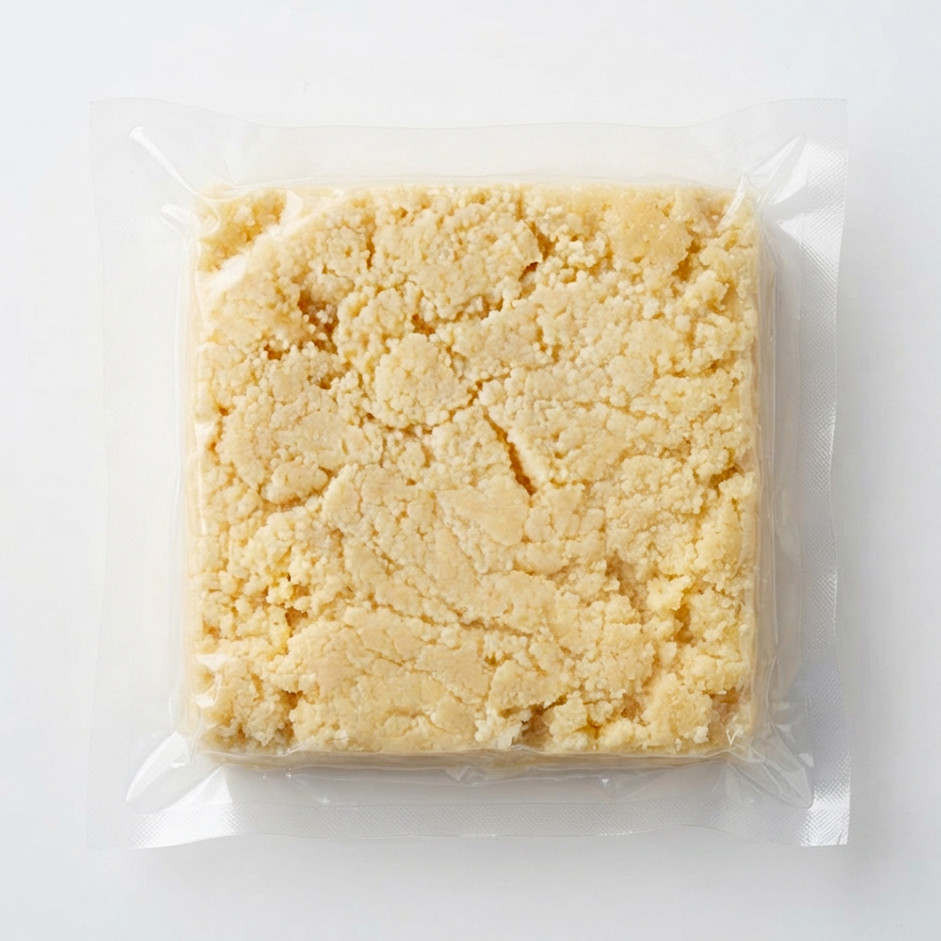
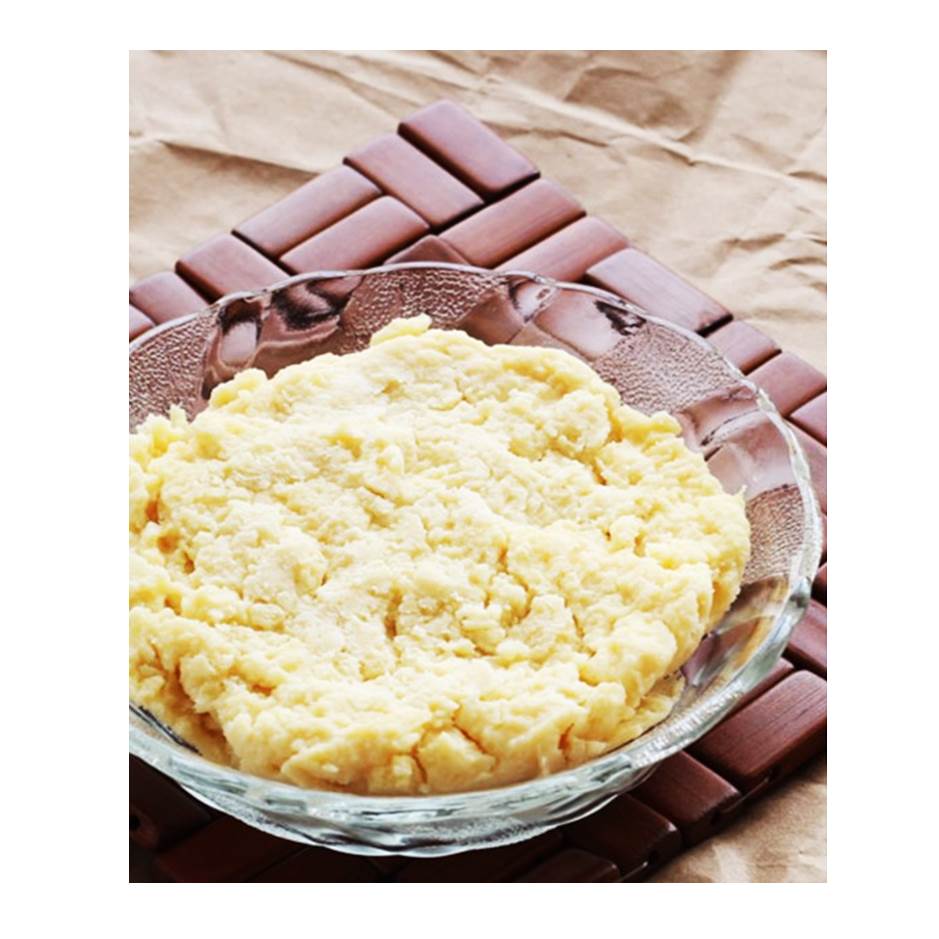
Rootz Organics Fresh Khoya (Mawa) is made in small batches using the traditional halwai method — whole milk slowly reduced over direct heat to create a rich, coarse and grainy danedar texture.
Khoya, also known as mawa or mava, is made by slowly reducing whole milk until most of the water evaporates, leaving behind a concentrated milk solid with a rich, naturally milky flavour. The final colour, texture and flavour depend on the quality of the milk and the care taken during preparation.
HOW IT IS MADE
Our khoya is prepared in small batches using the traditional halwai method. Whole milk is simmered in a wide, heavy pan over direct heat and stirred continuously to help prevent scorching. It is reduced to approximately one-fifth of its original volume until it develops its characteristic coarse, grainy texture.
- No added milk powder.
- No emulsifiers.
- No unnecessary additives.
- Small-batch preparation.
The result is danedar khoya — coarse and grainy with a deep, naturally caramelised, milky flavour.
THE TYPE: DANEDAR (COARSE) KHOYA
Khoya is commonly prepared in different textures depending on how it will be used in Indian mithai-making:
- Danedar — coarse and grainy; commonly used for gulab jamun dough, peda, khoya burfi and other sweets.
- Batti — very firm and dry; commonly crumbled into dry sweets.
- Chikna — smooth and moist; commonly used in halwa and for direct eating.
Our khoya is danedar — a coarse, grainy texture that works well across a range of traditional sweet recipes.
ALLERGEN INFORMATION
Contains: MILK.
Not suitable for people with a milk allergy. People with lactose intolerance should consider their individual tolerance and dietary requirements.
NUTRITION Per 50g serving / Per 100g
| Nutrient | Per 50g Serving | Per 100g | % Daily Value* |
|---|---|---|---|
| Energy | 408 kcal | 409 kcal | 20% |
| Protein | 10.2 g | 20.4 g | 41% |
| Total Fat | 24.8 g | 24.9 g | 32% |
| Saturated Fat | 15.5 g | 15.5 g | 78% |
| Carbohydrate | 25.0 g | 25.1 g | 9% |
| — of which Sugars | 24.9 g | 24.9 g | — |
| Dietary Fibre | 0 g | 0 g | 0% |
| Calcium | 387 mg | 387 mg | 30% |
| Phosphorus | 269 mg | 303 mg | 24% |
| Potassium | 510 mg | 510 mg | 11% |
| Vitamin A | 247 µg | 247 µg | 27% |
| Riboflavin (B2) | 0.5 mg | 0.5 mg | 38% |
HOW TO USE
For approximately 250g khoya, add 3 tbsp plain flour, a pinch of baking soda and approximately 2 tbsp milk to bind. Knead into a soft dough and roll into small balls. Fry on very low heat until deep golden brown, then soak in cardamom and rose-water sugar syrup.
Cook 250g khoya with 3–4 tbsp sugar and ¼ tsp cardamom powder. Stir continuously until the mixture begins to leave the sides of the pan. Transfer to a greased tray, garnish with chopped pistachios and allow to set for approximately 30 minutes before cutting.
Cook 500g grated carrots in ghee until soft. Add 150g khoya and 4 tbsp sugar and cook until thick. Finish with cardamom and saffron. Using khoya can shorten the milk-reduction stage of the recipe.
Cook 250g khoya in a pan until it just begins to leave the sides. Remove from the heat and add 3–4 tbsp powdered sugar and ½ tsp cardamom. Shape into rounds and garnish with pistachio or saffron.
- Milk cake and kalakand.
- Khoya matar and other savoury preparations.
- Stuffing for karanji and gujiya.
- Modak filling.
STORAGE
- Keep refrigerated at 2–6°C.
- For longer storage, freeze in portions for up to 3 months, subject to appropriate handling.
- For convenient portioning, divide into 50g or 100g portions before freezing.
- Wrap portions securely and place them in a suitable freezer bag or airtight container.
- Thaw overnight in the refrigerator.
- Do not microwave to thaw.
- Do not refreeze once thawed.
ABOUT ROOTZ ORGANICS
Khoya (also called mawa or mava) is whole milk that has been simmered slowly over direct heat until the water evaporates, leaving a concentrated, solid residue of milk fat, protein and natural sugars. It is not the same as milk powder (which is spray-dried at high temperature and lacks the caramelised character of fresh khoya), not the same as condensed milk (which has added sugar and is not solid), and not the same as paneer (which is fresh cheese coagulated with acid). Khoya is the irreplaceable base ingredient in most traditional Indian sweets — gulab jamun, burfi, peda, kalakand — and cannot be meaningfully substituted with any of those alternatives.
This is danedar khoya — the coarse, grainy variety. Danedar is the most versatile type for home use: it works for gulab jamun dough, peda, burfi, halwa and stuffings. Batti khoya is very firm and dry (used crumbled). Chikna khoya is smooth and moist (used in halwa and as a spread). Our small-batch halwai method produces a naturally coarse texture from continuous stirring during reduction.
Fresh khoya without preservatives is a perishable dairy product — consume within [VERIFY] days of purchase when stored refrigerated at 2–6°C. For longer storage, khoya freezes extremely well. Portion into 50g or 100g blocks, wrap each tightly in cling film, and freeze in a sealed zip bag. It keeps well for up to 3 months frozen. Thaw overnight in the refrigerator before use; the texture and flavour are not significantly affected. Do not microwave to thaw and do not refreeze once thawed.
Yes — danedar khoya is the traditional base for gulab jamun dough. The recipe: 250g khoya, 3 tablespoons plain flour, a pinch of baking soda, 1–2 tablespoons milk to bind if needed. Knead gently into a smooth, soft dough — do not overwork it or the jamuns will crack while frying. Roll into smooth balls. Fry in ghee or oil on very low heat, turning constantly, until evenly deep golden (not dark — khoya burns easily). Soak immediately in warm sugar syrup. One 250g pack makes 20–24 Gulab jamuns
A halwai is a traditional Indian sweet maker. The halwai method of making khoya involves simmering whole milk in a wide, heavy pan over direct heat with constant stirring — a process that takes 2–3 hours per batch and cannot be automated without losing quality. This slow, direct-heat reduction gives khoya its characteristic coarse, grainy texture and its deep, slightly caramelised, naturally sweet flavour. Commercial khoya made at industrial scale uses milk powder reconstitution, spray-drying or short-cut evaporation methods that produce a blander, smoother, inferior product. Our small-batch halwai-method khoya is made the long way, on purpose.


