
Product description
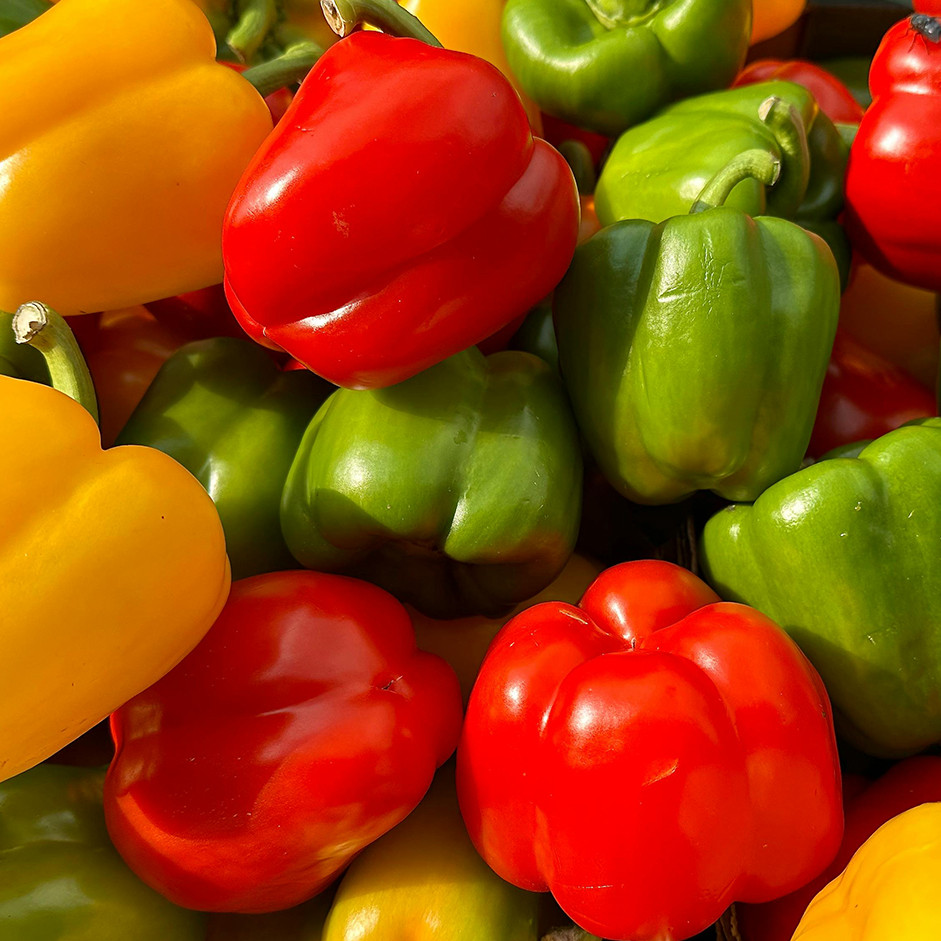
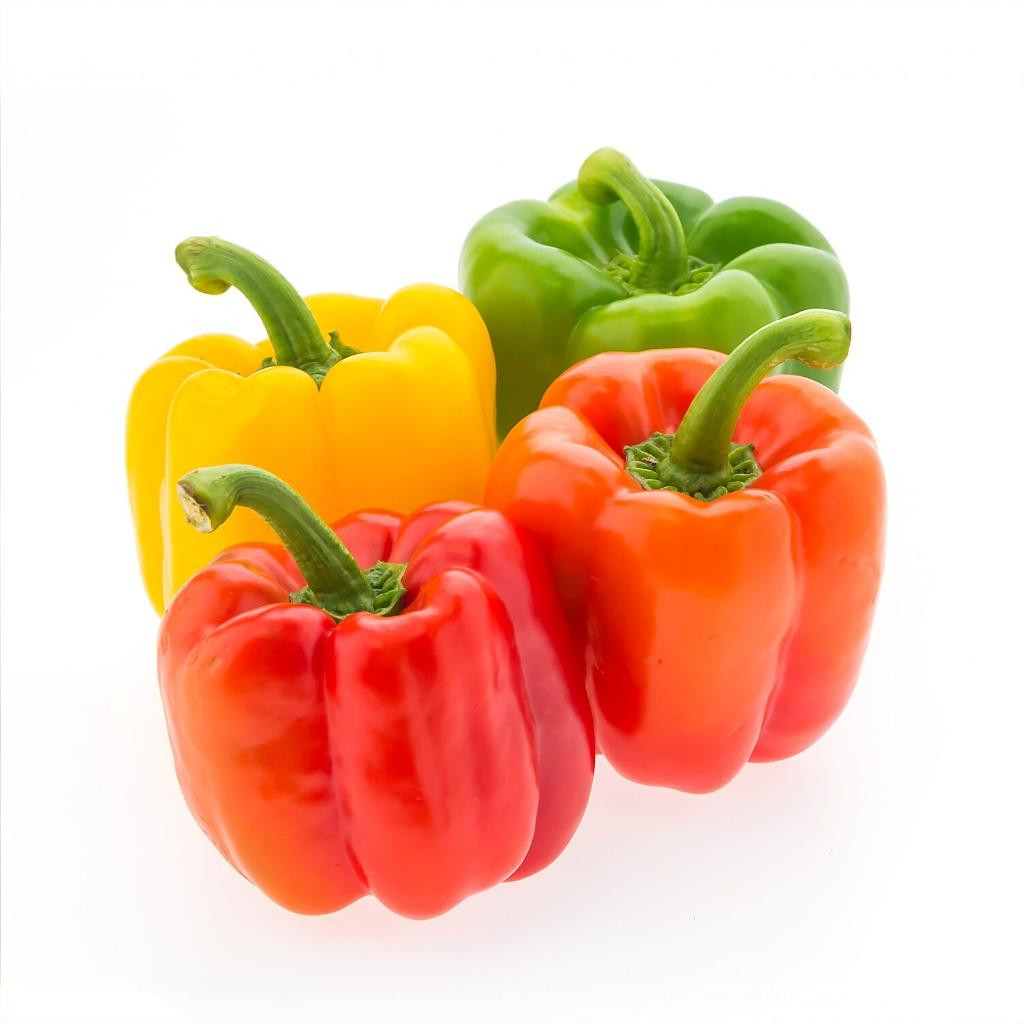
This fresh mix of red, yellow and green bell peppers (capsicum) brings colour, natural sweetness and crisp crunch to your cooking. The different colours aren't just beautiful — they offer slightly different flavours, from the grassy green to the sweetest, ripest red.
WHAT MAKES IT SPECIAL
Bell peppers are one of the richest vegetable sources of Vitamin C — red peppers especially can contain more than an orange, gram for gram. They're endlessly versatile: crisp and sweet raw, soft and smoky roasted, and a staple of stir-fries, fajitas, salads and stuffed-pepper dishes.
SOURCING
A fresh 500g mix of red, yellow and green capsicum delivered across the UAE.
NUTRITION — per 100g
| Nutrient | Amount | % DV* |
|---|---|---|
| Energy | 28 kcal | — |
| Carbohydrates | 6.0 g | 2% |
| of which sugars | 3.5 g | — |
| Dietary fibre | 1.9 g | 7% |
| Protein | 1.0 g | 2% |
| Total fat | 0.3 g | 0% |
| Vitamin C | 120 mg | 133% |
| Vitamin A (RAE) | 90 µg | 10% |
| Vitamin B6 | 0.25 mg | 15% |
| Folate | 45 µg | 11% |
*%DV on a 2,000 kcal adult reference diet. Bell peppers are naturally very rich in Vitamin C; the exact amount varies by colour, with red peppers typically the highest and green the lowest. Values are approximate.
HOW TO STORE
- Store: refrigerate in the crisper drawer for up to 1 week.
- Keep dry; wash just before use.
- Look for: firm, glossy, well-shaped peppers with fresh green stems.
- Red and yellow are sweeter and riper; green is firmer and slightly grassy.
HOW TO USE & SERVE
A capsicum mix adds colour, sweetness and crunch across UAE cooking.
- Raw: slice into salads, or serve as crunchy crudites with hummus and dips.
- Stir-fries & fajitas: slice and stir-fry fast over high heat with onions for stir-fries, fajitas and noodles.
- Roasted: roast or char until soft and smoky, then peel for salads, antipasti and dips like muhammara.
- Stuffed peppers: hollow out and stuff with rice, mince or cheese, then bake.
- Curries & sabzi: add to Indian and one-pan dishes for colour and bite.
- Sauces: blend roasted red peppers into pasta sauces and dips.
Reviews
Login
Don't have an account?
Sign UpThey are the same vegetable at different stages of ripeness and variety. Green peppers are picked earlier and are firmer with a slightly grassy, less sweet flavour. Yellow and orange are riper and sweeter, and red are the ripest and sweetest of all, with the highest Vitamin C. A mix gives you the full range of colour and flavour.They are the same vegetable at different stages of ripeness and variety. Green peppers are picked earlier and are firmer with a slightly grassy, less sweet flavour. Yellow and orange are riper and sweeter, and red are the ripest and sweetest of all, with the highest Vitamin C. A mix gives you the full range of colour and flavour.
The colourful mix is wonderfully versatile: slice raw into salads and crudites; stir-fry over high heat for fajitas and noodles; roast or char until soft and smoky for salads, dips and muhammara; hollow out and bake as stuffed peppers; or add to curries and one-pan dishes for colour, sweetness and crunch.The colourful mix is wonderfully versatile: slice raw into salads and crudites; stir-fry over high heat for fajitas and noodles; roast or char until soft and smoky for salads, dips and muhammara; hollow out and bake as stuffed peppers; or add to curries and one-pan dishes for colour, sweetness and crunch.
Yes — bell peppers are one of the richest vegetable sources of Vitamin C, and red peppers in particular can contain more, gram for gram, than an orange. The exact amount varies by colour, with red highest and green lowest. They also provide Vitamin A, B6 and folate. Values are approximate USDA references.Yes — bell peppers are one of the richest vegetable sources of Vitamin C, and red peppers in particular can contain more, gram for gram, than an orange. The exact amount varies by colour, with red highest and green lowest. They also provide Vitamin A, B6 and folate. Values are approximate USDA references.


