
Product description
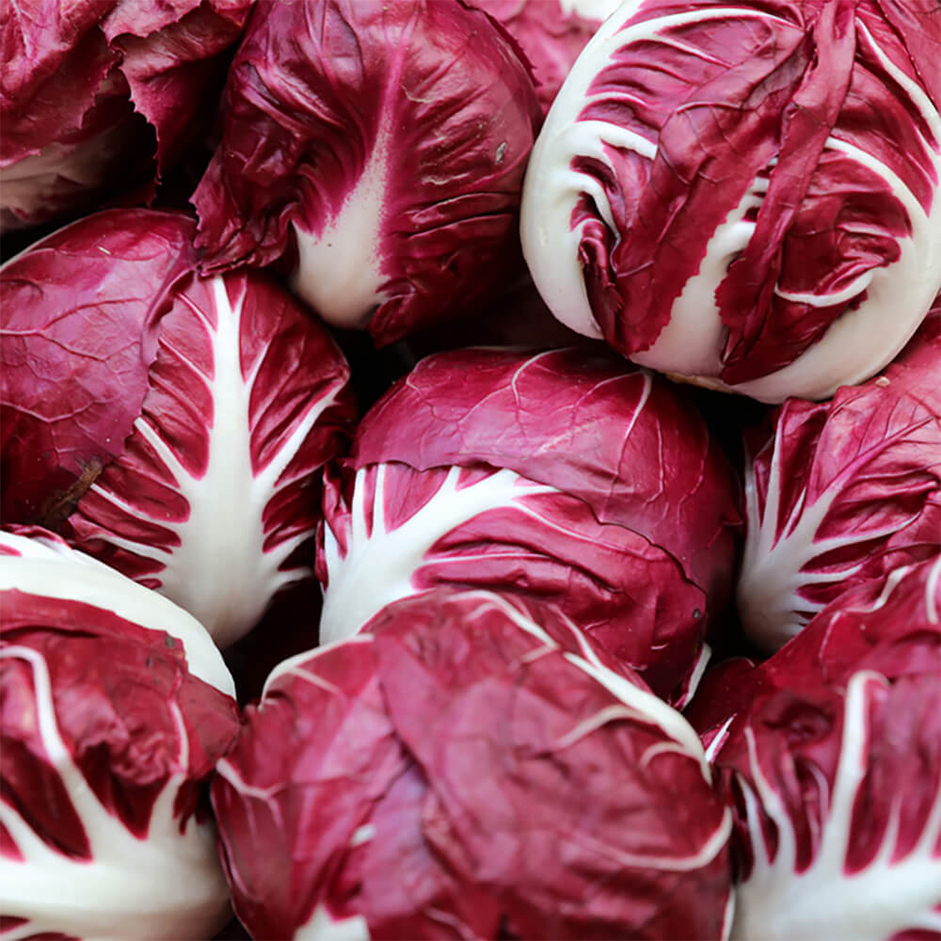
The red in red lettuce is not decorative. It is the nutritional story.
The deep crimson-to-burgundy pigmentation of Italian red lettuce comes from anthocyanins — the same class of polyphenol antioxidants found in blueberries, blackberries, red wine, and red cabbage. Studies measuring antioxidant activity consistently show red lettuce containing significantly higher levels of anthocyanins and total antioxidant capacity than equivalent green lettuce varieties. The more intensely coloured the leaf, the higher the anthocyanin concentration.
Italian red lettuce, grown under Mediterranean conditions of high UV exposure, warm days, cool nights, and mineral-rich soils, develops deeper colour, greater flavour complexity, and higher phytonutrient density than lettuce grown in low-light or intensive greenhouse environments. Plants naturally respond to UV exposure by producing anthocyanins as a protective mechanism. The result is richer pigmentation and a higher concentration of beneficial plant compounds. This is not a marketing claim. It is plant biology.
Beyond anthocyanins, red lettuce provides Vitamin K, beta-carotene, lutein, folate, and a wide spectrum of polyphenols that contribute to both nutrition and flavour. The leaves are tender, crisp, mildly sweet with a delicate bitterness, and exceptional in their simplicity.
A drizzle of extra virgin olive oil, fresh lemon juice, sea salt, and nothing more is often all that is needed. No pesticides. Delivered fresh across UAE.
WHY ITALY SPECIFICALLY
Italian lettuce cultivation — particularly in the regions of Veneto, Emilia-Romagna, and Campania — has been optimised over centuries for the varieties that perform best in Mediterranean conditions.
The volcanic and alluvial soils of Italian agricultural regions are mineral-dense in ways that directly influence the micronutrient profile of the leaves — particularly potassium, magnesium, and calcium. The Mediterranean climate produces lettuce that grows more slowly than greenhouse-grown equivalents, allowing more time for anthocyanin and flavour compound development.
Compared to lettuce grown in hot, humid tropical conditions: high temperatures bleach anthocyanins and produce a more bitter, less colourful leaf. Italian seasonal red lettuce has a colour intensity and flavour complexity that cannot be replicated outside Mediterranean growing conditions.
WHAT THE SCIENCE SAYS
- Vitamin K — exceptional source: Red lettuce provides approximately 126mcg per 100g — over 100% of the daily requirement in a single 100g serving. Vitamin K is essential for blood clotting, for bone mineralisation (activating osteocalcin to incorporate calcium into bone matrix), and for cardiovascular protection (preventing arterial calcification via matrix Gla protein activation). It is one of the most important micronutrients for the UAE population — largely sedentary, often low-sunlight (indoor working), and with high rates of osteoporosis risk.
- Anthocyanins — cardiovascular and neuroprotective: The red pigment compounds are studied for reducing LDL oxidation (a key step in atherosclerosis), reducing arterial inflammation, crossing the blood-brain barrier to reduce neuroinflammation, and inhibiting tumour cell proliferation in multiple cancer types in laboratory studies.
- Lutein and zeaxanthin — eye protection: Red lettuce is one of the richest dietary sources of these macular carotenoids, which accumulate in the retina and are the primary dietary protection against age-related macular degeneration (AMD) and cataracts. With high screen time and intense UV exposure in the UAE, lutein and zeaxanthin are nutrients the UAE population should specifically prioritise — and red lettuce is one of the most accessible and affordable sources.
- Folate — 34% DV per 100g: Essential for DNA synthesis, cell division, and critically important during the first trimester of pregnancy for neural tube development.
- Beta-carotene — Vitamin A precursor: 4,443mcg per 100g — a fat-soluble antioxidant that protects cell membranes. Converts to Vitamin A in the body, supporting skin health, immune function, and vision.
| Nutrient | Per serving | Per 100g | % Daily Value* |
|---|---|---|---|
| Energy | 16 kcal / 67 kJ | 16 kcal / 67 kJ | 1% |
| Total fat | 0.3g | 0.3g | 0% |
| Saturated fat | 0g | 0g | 0% |
| Trans fat | 0g | 0g | — |
| Total carbohydrates | 2.2g | 2.2g | 1% |
| Dietary fibre | 1.1g | 1.1g | 4% |
| Sugars (natural) | 1.0g | 1.0g | — |
| Protein | 1.3g | 1.3g | 3% |
| Sodium | 8mg | 8mg | 0% |
| Vitamin K | 126mcg | 126mcg | 105% |
| Vitamin A (β-carotene) | 4,443mcg RAE | 4,443mcg RAE | 494% |
| Folate | 136mcg | 136mcg | 34% |
| Vitamin C | 9.2mg | 9.2mg | 10% |
| Potassium | 247mg | 247mg | 5% |
| Calcium | 36mg | 36mg | 3% |
| Iron | 1.2mg | 1.2mg | 7% |
| Anthocyanins + Lutein & Zeaxanthin (Macular Carotenoids) † | Anthocyanins: ~15–30mg per 100g · Lutein + zeaxanthin: ~1,900mcg per 100g | — | — |
- Day 1 — The Italian classic:
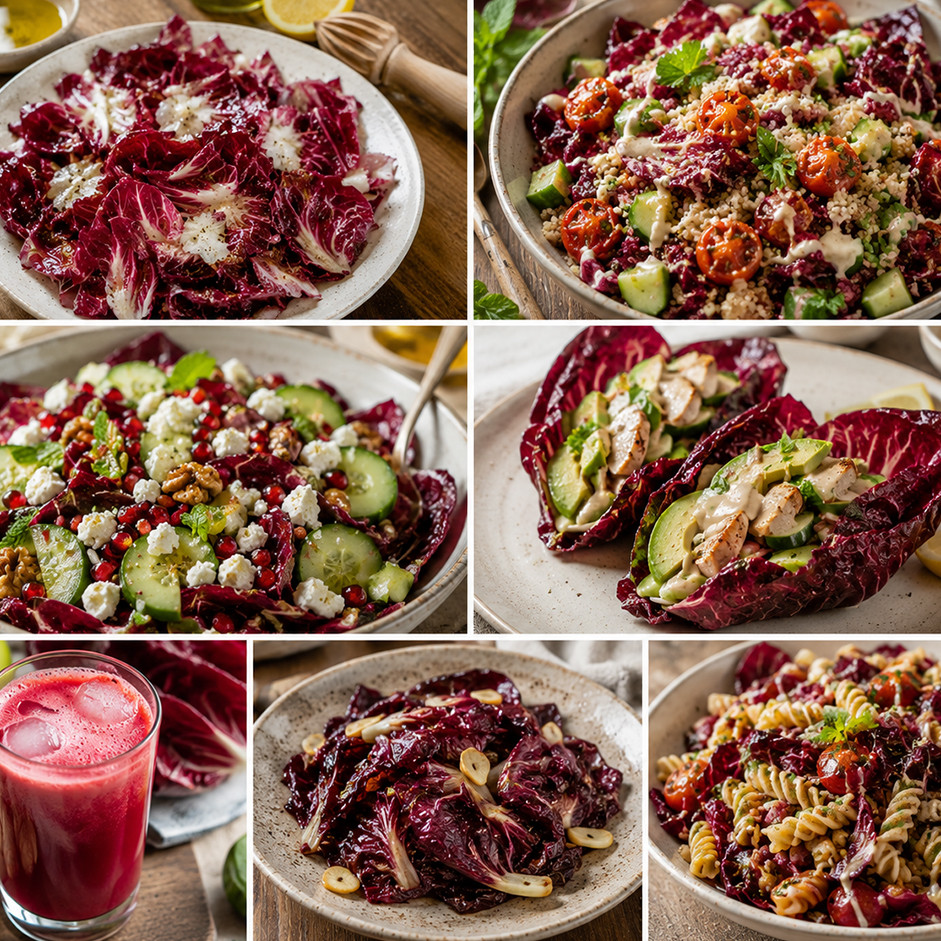
Tear fresh red lettuce leaves and dress simply with extra virgin olive oil, fresh lemon juice, sea salt, and cracked black pepper. The delicate sweetness and crisp texture of the leaf shine through when kept simple. This is the kind of salad served alongside meals throughout Italy — uncomplicated, refreshing, and entirely dependent on the quality of the lettuce. - Day 2 — Mediterranean grain bowl:
Use red lettuce as the base. Add roasted cherry tomatoes, cucumber, cooked farro or quinoa, fresh parsley, mint, and a lemon-tahini dressing. The crisp leaves provide freshness and texture while complementing the sweet vegetables and nutty grains for a balanced, satisfying meal. - Day 3 — The UAE summer salad:
Combine red lettuce with thinly sliced cucumber, fresh mint, pomegranate seeds, crumbled feta or A2 paneer, and toasted walnuts. Finish with a honey-apple cider vinegar dressing. Sweet, tart, cooling, and vibrant — ideal for hot-weather dining. - Day 4 — The wrap substitution:
Use large red lettuce leaves as natural wraps. Fill with grilled chicken or fish, sliced avocado, cucumber, fresh herbs, and a drizzle of tahini. No bread required — just crisp texture, freshness, and maximum nutrition. - Day 5 — The juice blend:
Blend a generous handful of red lettuce with cucumber, green apple, fresh ginger, and lemon. The naturally red pigments create a beautiful pink-red hue while delivering antioxidants and a mild flavour that is approachable even for first-time green juice drinkers. - Day 6 — The warm Italian side dish:
Briefly wilt red lettuce in extra virgin olive oil with sliced garlic and a pinch of sea salt for about 90 seconds over high heat. The leaves soften while retaining their character, creating an exceptional accompaniment to grilled fish, lamb, eggs, or roasted vegetables. - Day 7 — Pasta or grain salad:
Toss torn red lettuce leaves into cooled pasta or grain salad just before serving. Alternatively, fold them through slightly warm pasta so the outer leaves soften while the centres remain crisp. The contrast in texture adds freshness and complexity to the dish.
Reviews
Login
Don't have an account?
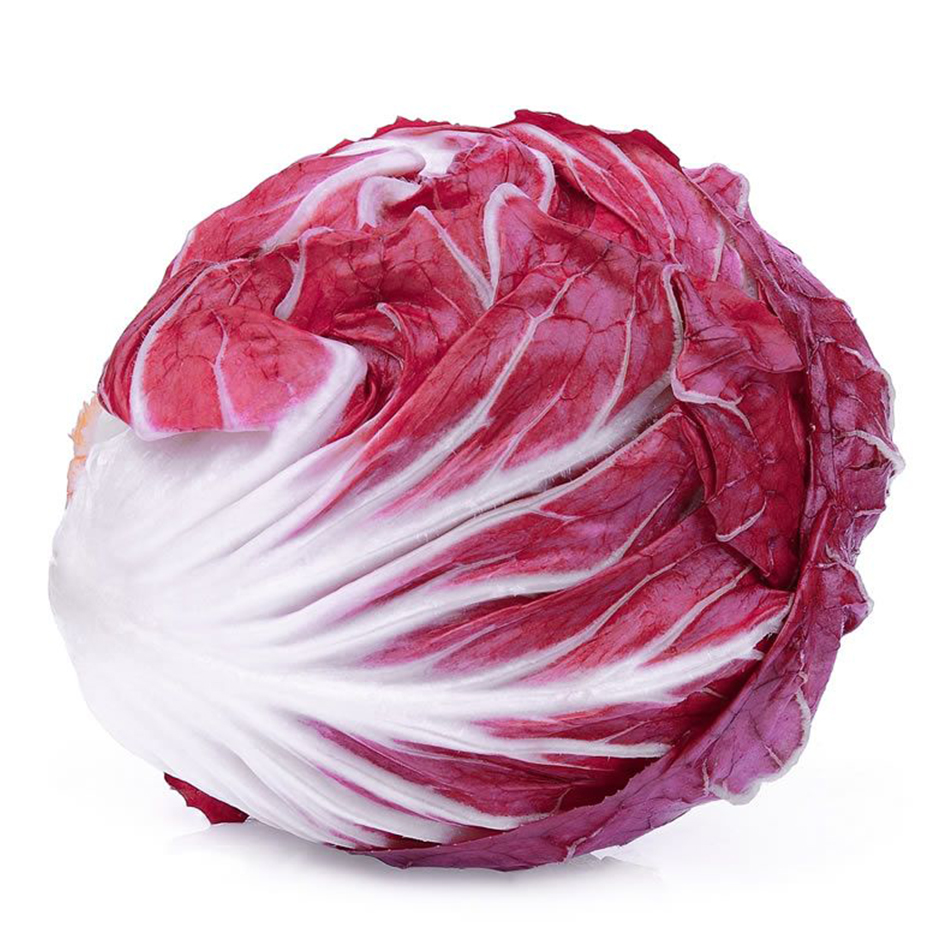
Sign UpRed lettuce is a broad category covering several distinct varieties of lettuce (Lactuca sativa) that produce red, burgundy, or crimson pigmentation in their leaves rather than the standard green of iceberg, romaine, or butterhead varieties. The most common Italian varieties are: : The most visually dramatic Italian red lettuce — deeply ruffled, crimson-to-burgundy leaves with a pale green base. The ruffled surface creates enormous surface area, which intensifies the colour and provides a slightly more bitter, complex flavour than flat-leaf varieties. The name means 'red curly' in Italian and it is the defining red salad leaf of Italian and broader Mediterranean cuisine. Red Oak Leaf (Rossa di Trento, Rosso di Verona): Smooth, lobed leaves in deep burgundy-red with a milder, more buttery flavour than . The shape resembles an oak leaf. More tender and less bitter — preferred for delicate salads and children's palates. The red colour is nutritionally significant because it comes from anthocyanins — a class of polyphenol antioxidants that are entirely absent in standard green lettuce. The same pigments that make blueberries, blackberries, red cabbage, and red wine valuable antioxidant sources are present in the red portions of red lettuce leaves. Studies measuring total antioxidant capacity (ORAC value) consistently show red lettuce varieties to have 4–10 times higher antioxidant activity than equivalent green varieties — with the most intensely coloured leaves (deepest red, least green) showing the highest values. Italian red lettuce grown in Mediterranean conditions — with higher UV exposure than northern European greenhouse lettuce — tends to produce more intense coloration and therefore higher anthocyanin concentrations.
Red lettuce is a broad category covering several distinct varieties of lettuce (Lactuca sativa) that produce red, burgundy, or crimson pigmentation in their leaves rather than the standard green of iceberg, romaine, or butterhead varieties. The most common Italian varieties are: |
Red lettuce outperforms green lettuce on nearly every nutritional measure except total chlorophyll content, and is one of the most underrated nutrient-dense leafy greens available. Anthocyanins: The primary differentiator. Red lettuce provides 4–10 times more anthocyanin antioxidants than green varieties. Anthocyanins are studied extensively for: cardiovascular protection (reducing LDL oxidation and arterial inflammation), neuroprotection (crossing the blood-brain barrier and reducing neuroinflammation), anti-cancer properties (inhibiting tumour cell proliferation in multiple cancer types in vitro), and anti-diabetic effects (improving insulin sensitivity and reducing postprandial glucose spikes). Vitamin K: Red lettuce is an exceptional source — providing approximately 126mcg per 100g (over 100% of daily requirement). Vitamin K is essential for blood clotting, bone mineralisation (activating osteocalcin to incorporate calcium into bone matrix), and cardiovascular protection (preventing arterial calcification via matrix Gla protein activation). Beta-carotene and Vitamin A: The red pigmentation is accompanied by higher beta-carotene levels than green lettuce — approximately 4443mcg per 100g. Beta-carotene is a Vitamin A precursor and a fat-soluble antioxidant that protects cell membranes from oxidative damage. Lutein and zeaxanthin: Red lettuce is one of the richest dietary sources of these macular carotenoids — studied for protection against age-related macular degeneration (AMD) and cataracts. Two specific nutrients the UAE population, with high screen time and intense UV exposure, should prioritise. Folate: 136mcg per 100g (34% DV) — essential for DNA synthesis, cell division, and critical during pregnancy. Vitamin C: 9.2mg per 100g — supporting immune function and iron absorption. Calcium: 36mg per 100g — a meaningful contribution in a plant-based diet.
Red lettuce outperforms green lettuce on nearly every nutritional measure except total chlorophyll content, and is one of the most underrated nutrient-dense leafy greens available. |
1kg of red lettuce is a generous quantity — approximately 8–10 full salad servings — and works best when approached as a weekly salad base that you build different bowls from each day.
The classic Italian dressing (for ): Extra virgin olive oil, fresh lemon juice (or apple cider vinegar), a pinch of sea salt, freshly cracked black pepper, and a small crushed garlic clove. Dress immediately before serving — red lettuce wilts quickly once dressed. The slight bitterness of is designed for this combination: the fat from olive oil rounds the bitterness, the acid from lemon balances it, and the result is what every Italian trattoria salad tastes like.
Mediterranean grain bowl: Red lettuce base with roasted cherry tomatoes, sliced cucumber, cooked quinoa or farro, fresh herbs (mint, basil, parsley), and a tahini-lemon dressing. A complete meal that covers protein, complex carbohydrates, and multiple micronutrient categories in one bowl.
Wrap replacement: Large or Red Oak Leaf leaves are substantial enough to use as wrap alternatives — fill with grilled chicken, tuna, hummus and vegetables, or leftover rice and curry. No carbohydrates, no cooking, maximum nutrition.
Juicing: Red lettuce juices beautifully — milder than spinach or kale, with a pleasant mild bitterness and a deep red colour that makes it the most photogenic juice base available. Blend with cucumber, apple, lemon, and ginger. The anthocyanins from the red leaves make the juice colour striking.
Storing a 1kg pack: Do not wash until ready to use. Separate leaves gently, wrap loosely in a clean damp cloth or paper towel, and store in the crisper drawer. Use within 4–5 days. Washed leaves can be spun dry and stored in a sealed container with a dry paper towel to absorb moisture — keeps for 3–4 days ready-to-use. For the final day's quantity, use in a cooked preparation (briefly wilted with garlic and olive oil, similar to spinach) rather than discarding. 1kg of red lettuce is a generous quantity — approximately 8–10 full salad servings — and works best when approached as a weekly salad base that you build different bowls from each day.
The classic Italian dressing (for ): Extra virgin olive oil, fresh lemon juice (or apple cider vinegar), a pinch of sea salt, freshly cracked black pepper, and a small crushed garlic clove. Dress immediately before serving — red lettuce wilts quickly once dressed. The slight bitterness of is designed for this combination: the fat from olive oil rounds the bitterness, the acid from lemon balances it, and the result is what every Italian trattoria salad tastes like.
Mediterranean grain bowl: Red lettuce base with roasted cherry tomatoes, sliced cucumber, cooked quinoa or farro, fresh herbs (mint, basil, parsley), and a tahini-lemon dressing. A complete meal that covers protein, complex carbohydrates, and multiple micronutrient categories in one bowl.
Wrap replacement: Large or Red Oak Leaf leaves are substantial enough to use as wrap alternatives — fill with grilled chicken, tuna, hummus and vegetables, or leftover rice and curry. No carbohydrates, no cooking, maximum nutrition.
Juicing: Red lettuce juices beautifully — milder than spinach or kale, with a pleasant mild bitterness and a deep red colour that makes it the most photogenic juice base available. Blend with cucumber, apple, lemon, and ginger. The anthocyanins from the red leaves make the juice colour striking.
Storing a 1kg pack: Do not wash until ready to use. Separate leaves gently, wrap loosely in a clean damp cloth or paper towel, and store in the crisper drawer. Use within 4–5 days. Washed leaves can be spun dry and stored in a sealed container with a dry paper towel to absorb moisture — keeps for 3–4 days ready-to-use. For the final day's quantity, use in a cooked preparation (briefly wilted with garlic and olive oil, similar to spinach) rather than discarding.
Italian-grown salad leaves — particularly from the traditional lettuce-producing regions of Veneto, Emilia-Romagna, Campania, and Sicily — benefit from a combination of agronomic, climatic, and soil factors that are difficult to replicate in greenhouse or non-Mediterranean growing conditions. Mediterranean climate: Warm, dry summers with consistent sunshine and cool nights produce lettuce that grows more slowly and develops more intense flavour and colour than lettuce grown in consistently warm, humid conditions. The day-to-night temperature differential (similar to the altitude principle behind Colombian tamarillos) allows the plant to accumulate anthocyanins and other secondary metabolites during the day without metabolising them overnight. UV intensity: The Mediterranean's higher UV index (compared to northern European or indoor greenhouse conditions) stimulates the plant's production of anthocyanins and other UV-protective polyphenols as a natural stress response. This is the primary mechanism behind why outdoor, sun-grown Mediterranean lettuce is more anthocyanin-dense than greenhouse lettuce. Soil mineralogy: Italian agricultural soils in the lettuce-growing regions include volcanic soils (rich in potassium, magnesium, and trace minerals), alluvial river valley soils (nutrient-dense and well-drained), and coastal soils with natural mineral diversity. These soil profiles directly influence the mineral content of the leaves. Centuries of variety selection: Italian lettuce varieties — particularly and the various Rossa di [region] varieties — have been selected over centuries of Italian cultivation for colour intensity, flavour complexity, and heat resistance. These are not commodity varieties bred for shelf life and uniformity: they are heritage varieties bred for the Italian table. Compared to UAE-grown or Asian-grown lettuce: High temperatures and humidity in the UAE and much of Asia cause heat stress in lettuce, which bleaches anthocyanins and produces a more bitter, less colourful leaf. Italian-grown red lettuce at the optimal season has a colour intensity and flavour complexity that cannot be replicated in tropical or desert growing conditions.
Italian-grown salad leaves — particularly from the traditional lettuce-producing regions of Veneto, Emilia-Romagna, Campania, and Sicily — benefit from a combination of agronomic, climatic, and soil factors that are difficult to replicate in greenhouse or non-Mediterranean growing conditions. |


