
Product description
| MORISCA — A REGIONAL SPECIALTY, NOT A COMMODITY VARIETY |
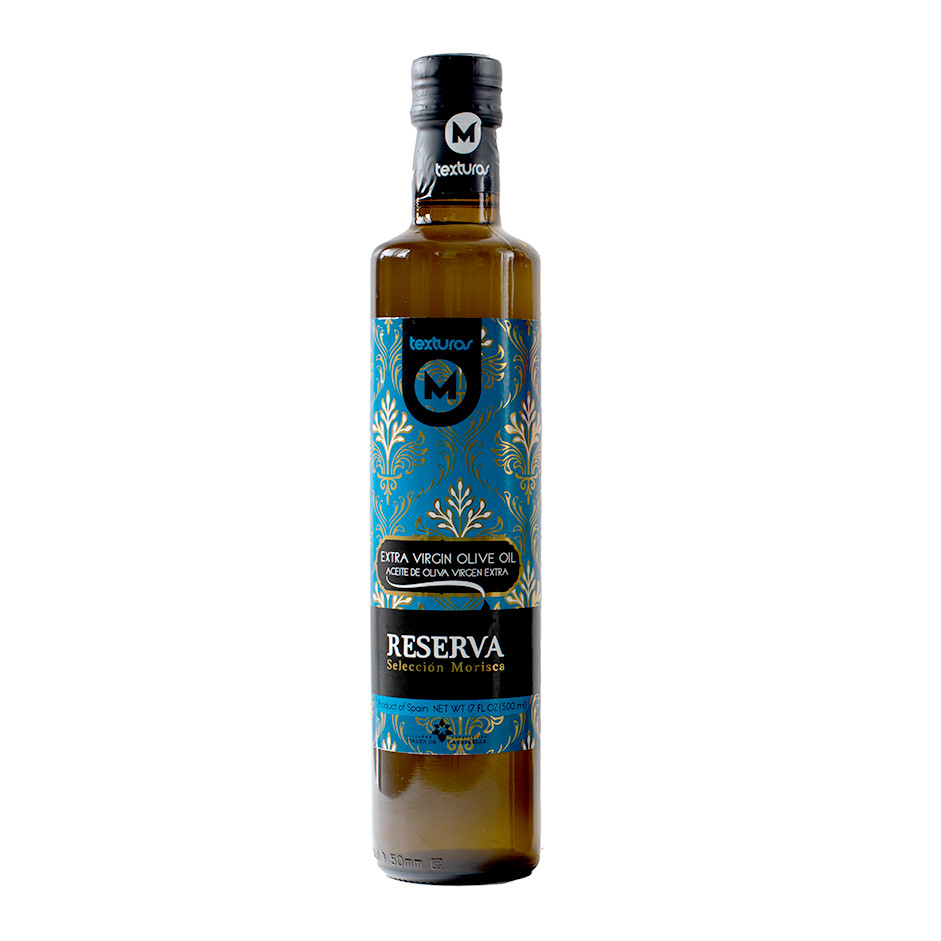
| Morisca is a distinctive olive variety specific to Extremadura, Spain — grown in far smaller volumes than commercially dominant varieties like Arbequina or Picual, and rarely bottled as a single-varietal oil outside the region itself. Where Arbequina is prized for gentleness and Manzanilla for balance, Morisca is prized for complexity: an elegant tension between fruitiness and bitterness that signals genuine character rather than a flaw. This bottle is 100% Morisca — nothing else. |
| THE TASTING PROFILE — WHAT YOU WILL ACTUALLY NOTICE |
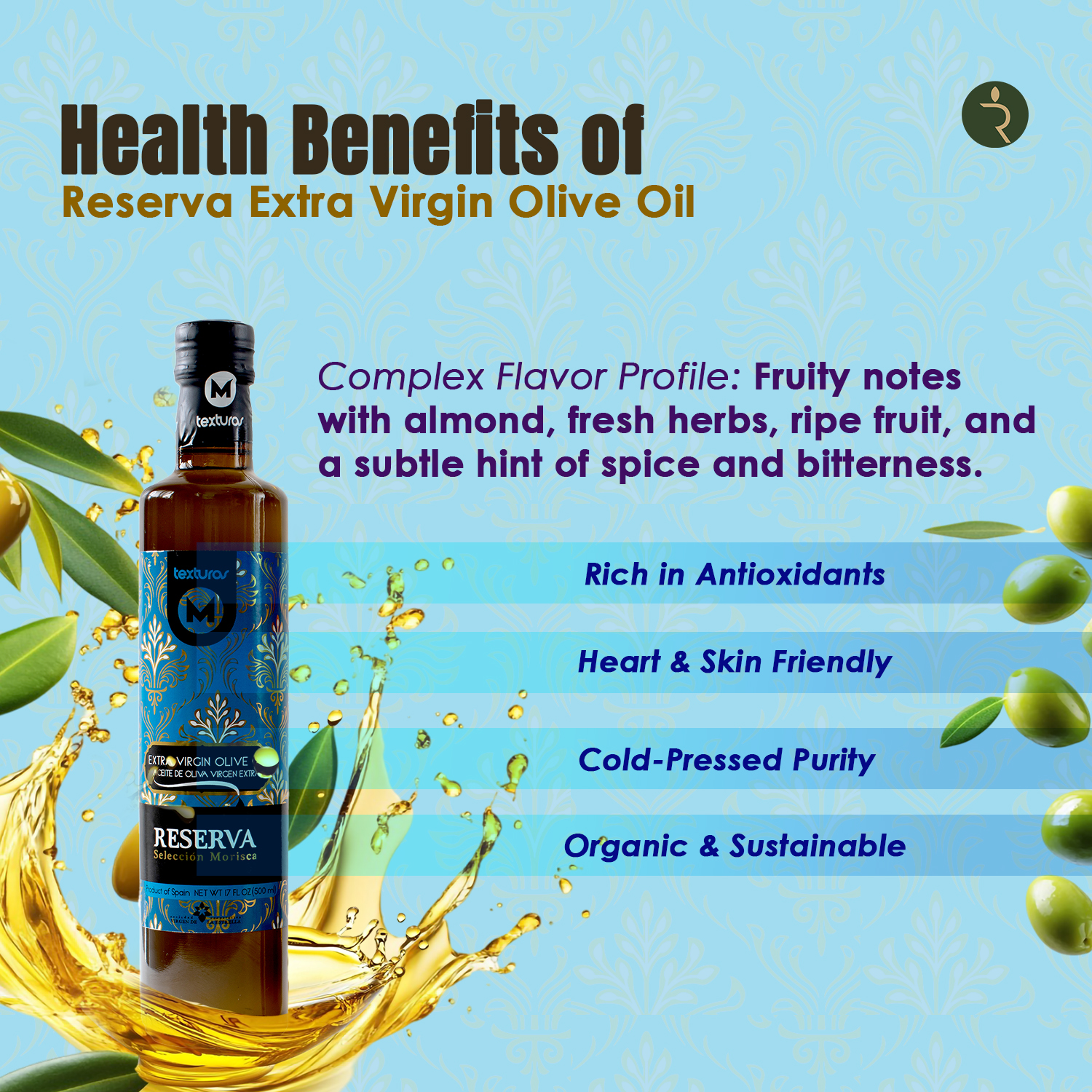
| Front palate: intense fruitiness with almond notes and fresh herb character. Mid-palate: a ripe, full-bodied richness. Finish: a deliberate, pleasant spiciness and bitterness that lingers — the clearest sensory signal of a genuinely high-polyphenol oil. This is a bolder profile than either Manzanilla or Arbequina, and it rewards a palate that has already spent time with milder single-variety oils. |
| WHY BITTERNESS AND SPICINESS ARE QUALITY SIGNALS, NOT DEFECTS |
| In olive oil, bitterness and a peppery, throat-catching spiciness are not flaws — they are direct sensory markers of phenolic compound concentration, the same polyphenols responsible for an EVOO's antioxidant and anti-inflammatory properties. A flat, mild oil with no bitterness at all is often lower in these compounds. Morisca's elegant balance between fruitiness and bitterness, places it toward the bolder, more phenolically rich end of the Texturas range — distinct from Arbequina's deliberately gentle profile. |
| EARLY HARVEST — WHY TIMING MATTERS |
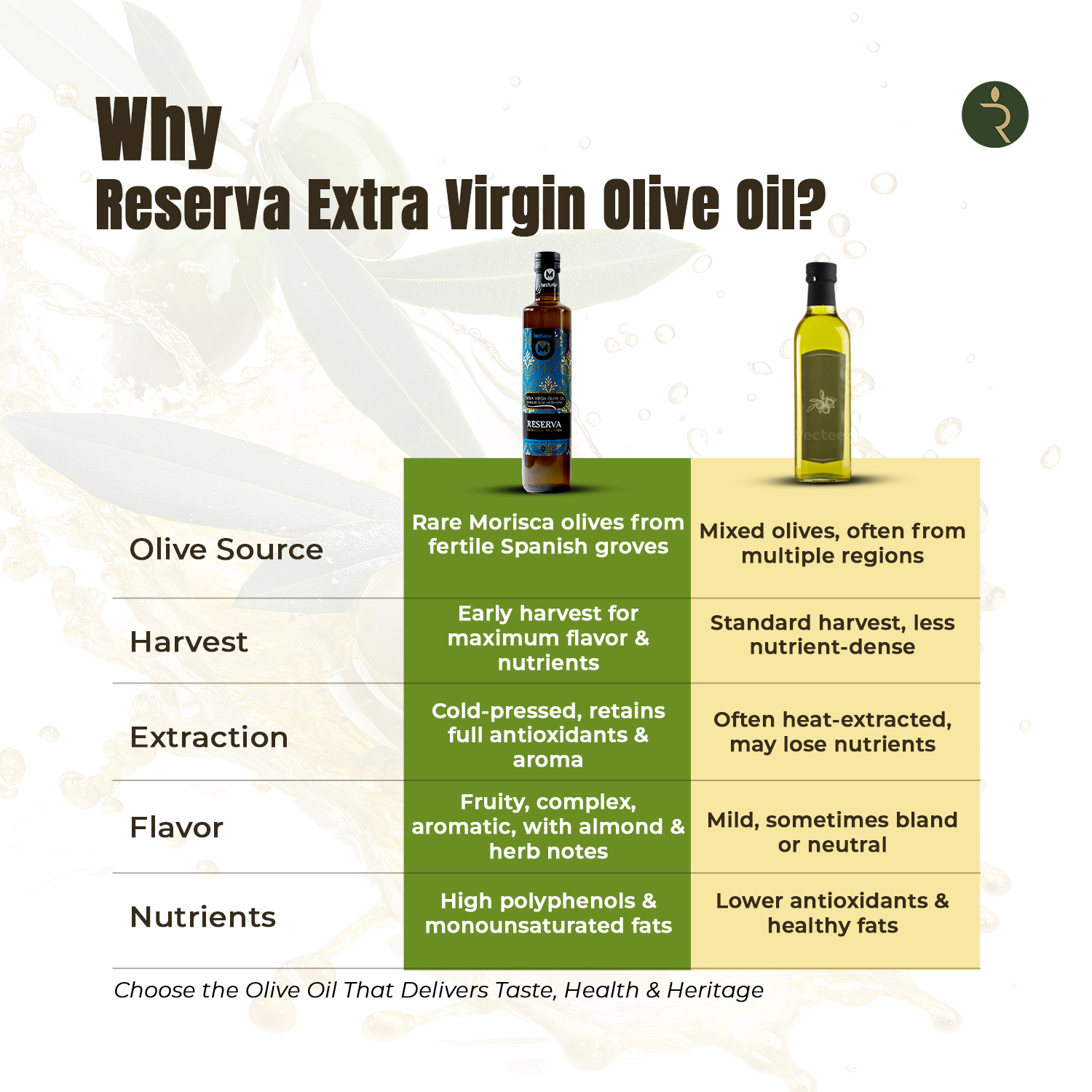
| This oil is early-harvest — picked from late October to mid-November, while the olives are still green and at their optimal stage of ripeness, rather than left to fully ripen for maximum yield. Early harvesting trades quantity for quality: a higher concentration of polyphenols and natural antioxidants, more intense fruity aromas, and greater complexity on the palate than oil pressed from fully ripened, later-harvest olives. For a naturally bold varietal like Morisca, early harvest amplifies an already distinctive character rather than introducing it. |
| FREE ACIDITY UNDER 0.3% — THE SAME QUALITY BAR ACROSS THE TEXTURAS RANGE |
| Free acidity is the single most objective quality measurement in olive oil — the percentage of free fatty acids released when an olive is damaged or sits too long before pressing. EU law allows up to 0.8% free acidity for any oil labelled “extra virgin.” Premium producers target under 0.5%. This Morisca, lab analysis, sits under 0.3% — the same verified threshold as every other Texturas single-varietal bottle, meaning the olives were harvested, transported, and cold-extracted with minimal delay and minimal damage. |
| OLEIC ACID & THE MORISCA FATTY ACID PROFILE |
| Published peer-reviewed research on Morisca grown in Spain places its oleic acid (Omega-9 monounsaturated fat) content at approximately 68% — genuinely lower than bolder, higher-oleic varieties like Manzanilla, and notably the lowest among Spanish varieties studied in comparative trials, alongside the highest linoleic acid (Omega-6 polyunsaturated fat) content of those same varieties. The same research found Morisca EVOO carries the highest sterol levels among the varieties compared — sterols being plant compounds linked to cholesterol-management benefits. This is a genuinely different nutritional signature from Manzanilla or Arbequina, not simply a milder or bolder version of the same fat profile. |
| HOW TO USE — A BOLD FINISHING AND COOKING OIL |
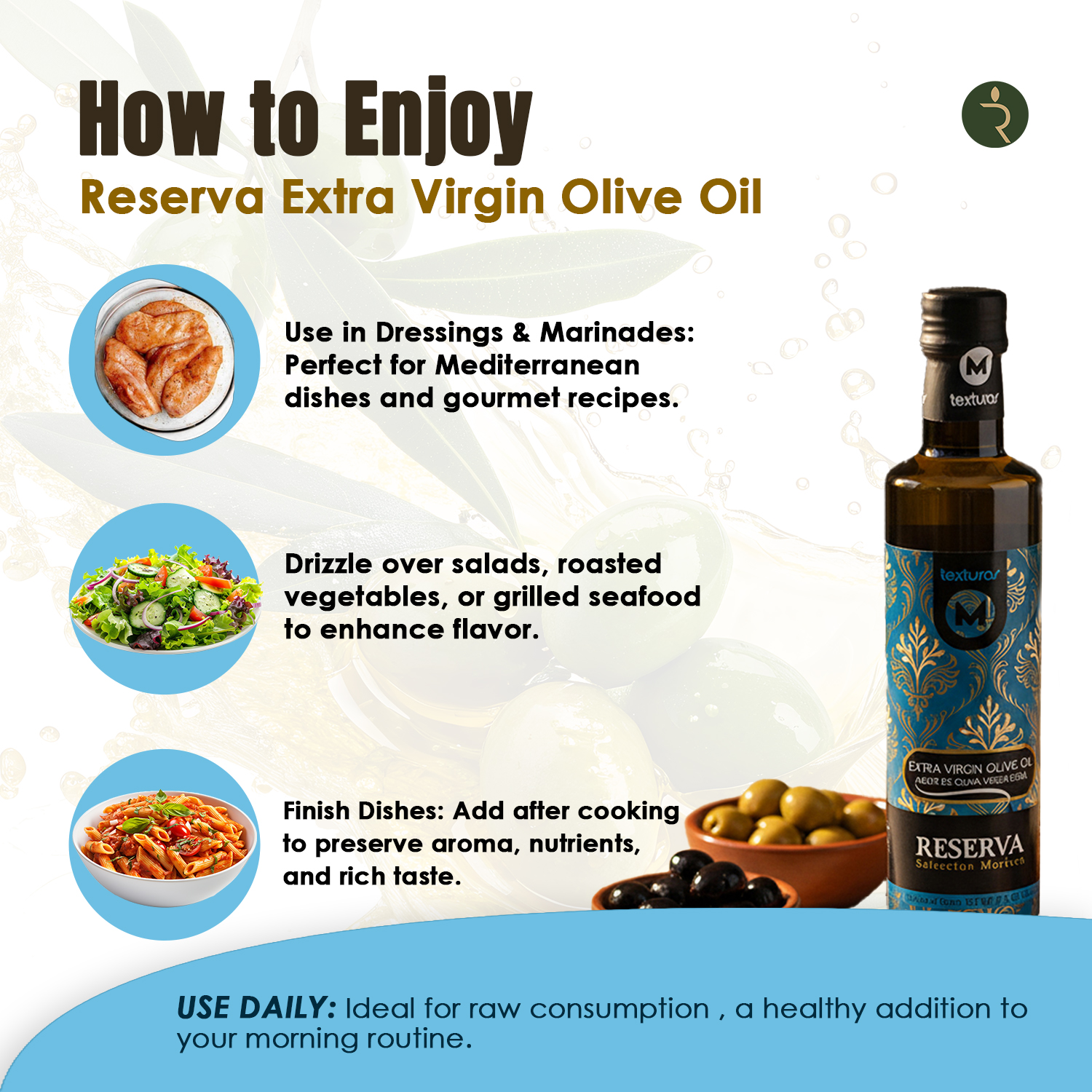
Complex enough to be the focal point of a dish, robust enough to stand up to light cooking.
|
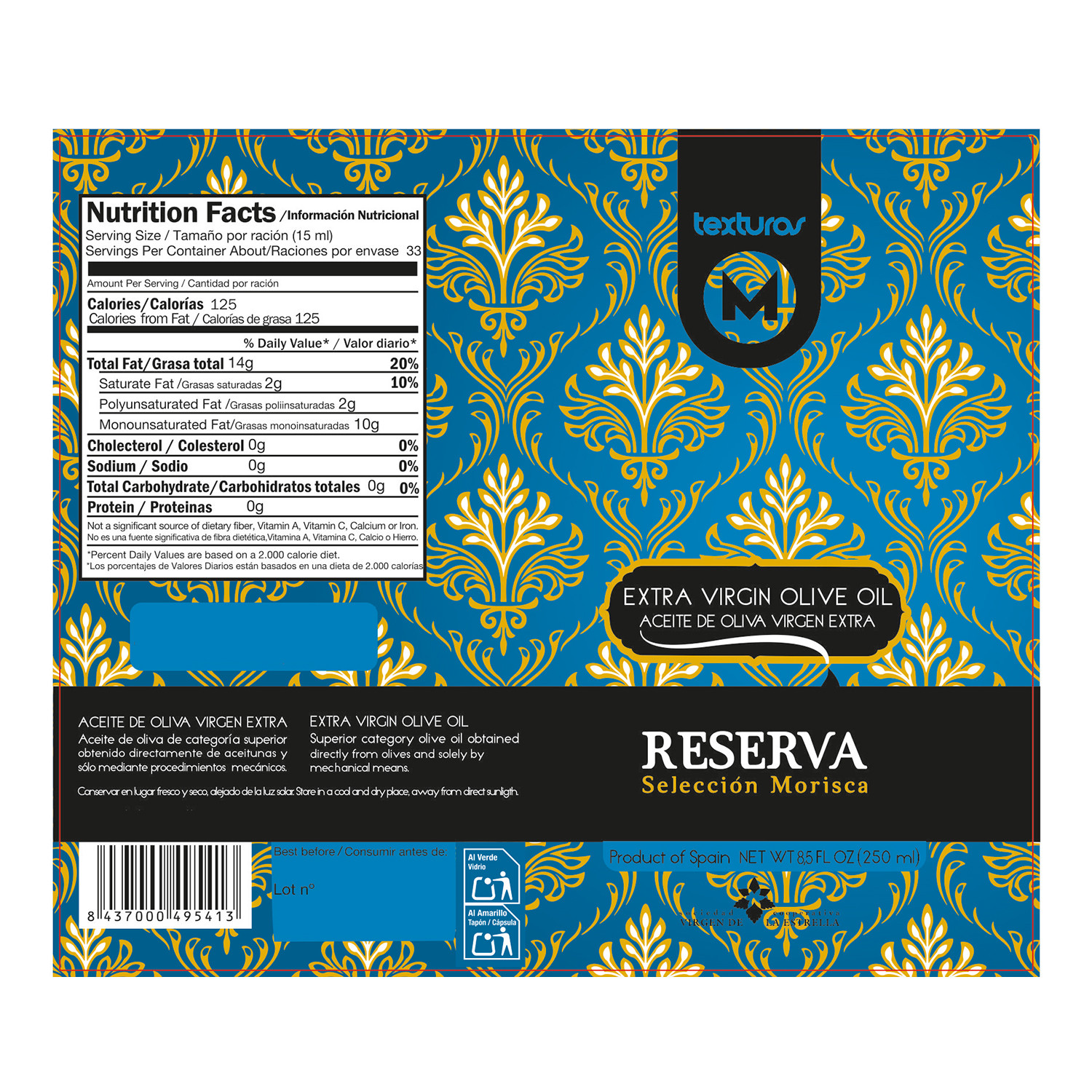
| Store in a cool, dark place away from heat and direct sunlight. Keep the cap tightly closed after use to limit oxidation. |
NUTRITION
Serving size: 1 tablespoon (15ml)
|
Reviews
Login
Don't have an account?
Sign UpMorisca is a distinctive olive variety specific to Extremadura, Spain — grown in far smaller volumes than commercially dominant varieties like Arbequina or Picual, and rarely bottled as a single-varietal oil outside the region. Its tasting profile sits at the bolder, more complex end of the spectrum: intense fruitiness with almond and fresh herb notes, balanced against a genuine, elegant bitterness and spiciness. This is a deliberately different style from Arbequina's mildness or Manzanilla's balance — all three are genuine single-variety EVOOs verified to the same <0.3% acidity standard, but Morisca rewards a palate already familiar with bolder oils.
Bitterness and a peppery, throat-catching spiciness in olive oil are quality signals, not defects — they are direct sensory markers of phenolic compound (polyphenol) concentration, the same compounds responsible for an EVOO's antioxidant and anti-inflammatory properties. A flat, mild-tasting oil is often lower in these compounds. Morisca's natural profile, combined with early-harvest timing, produces a more pronounced bitterness than gentler varieties like Arbequina — this is the variety's authentic character, not a sign of rancidity or poor quality.
Early-harvest means the olives are picked while still green, in a narrow window from late October to mid-November, rather than left to fully ripen for maximum oil yield. This timing trade-off produces oil with a higher concentration of polyphenols and natural antioxidants, more intense fruity aromas, and greater complexity than oil pressed from later, fully ripened olives. For an already bold varietal like Morisca, early harvest amplifies its distinctive character rather than introducing it from a neutral baseline.
Both. Morisca's bold, robust profile holds up well to light cooking — sautéing vegetables, finishing grilled meats, or pan dishes where a pronounced olive character is desired — while also performing as a genuine finishing oil for bread, bruschetta, and dips, where its fruity-bitter balance is most apparent. Like all EVOO, it is not intended for deep frying or very high-heat searing, where a neutral oil or ghee performs better; for maximum polyphenol preservation, raw or lightly warmed applications remain ideal.


