
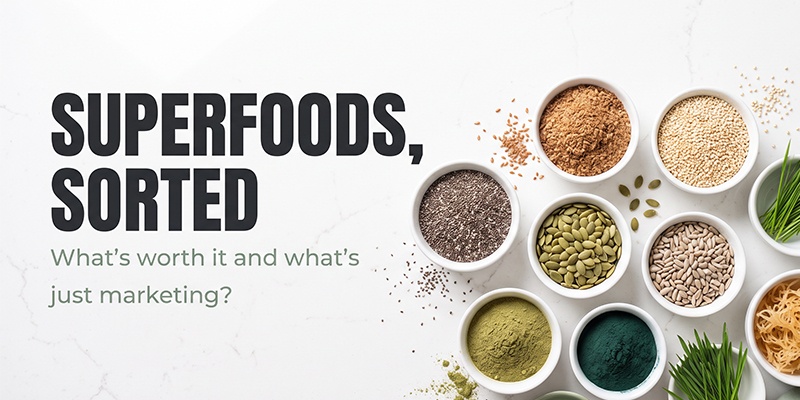
Superfoods, Sorted: What’s Worth It and What’s Just Marketing
Walk into any health aisle and everything is a “superfood”: powders, berries, seeds, miracle leaves. After more than a decade of coaching families, the question I hear most is simple: what is actually worth it?
Here is my honest answer. “Superfood” is a marketing word, not a scientific one. But some everyday foods really are nutrient-dense, affordable and easy to use, while others have more hype than evidence. Let’s sort them.
First, what is a superfood?
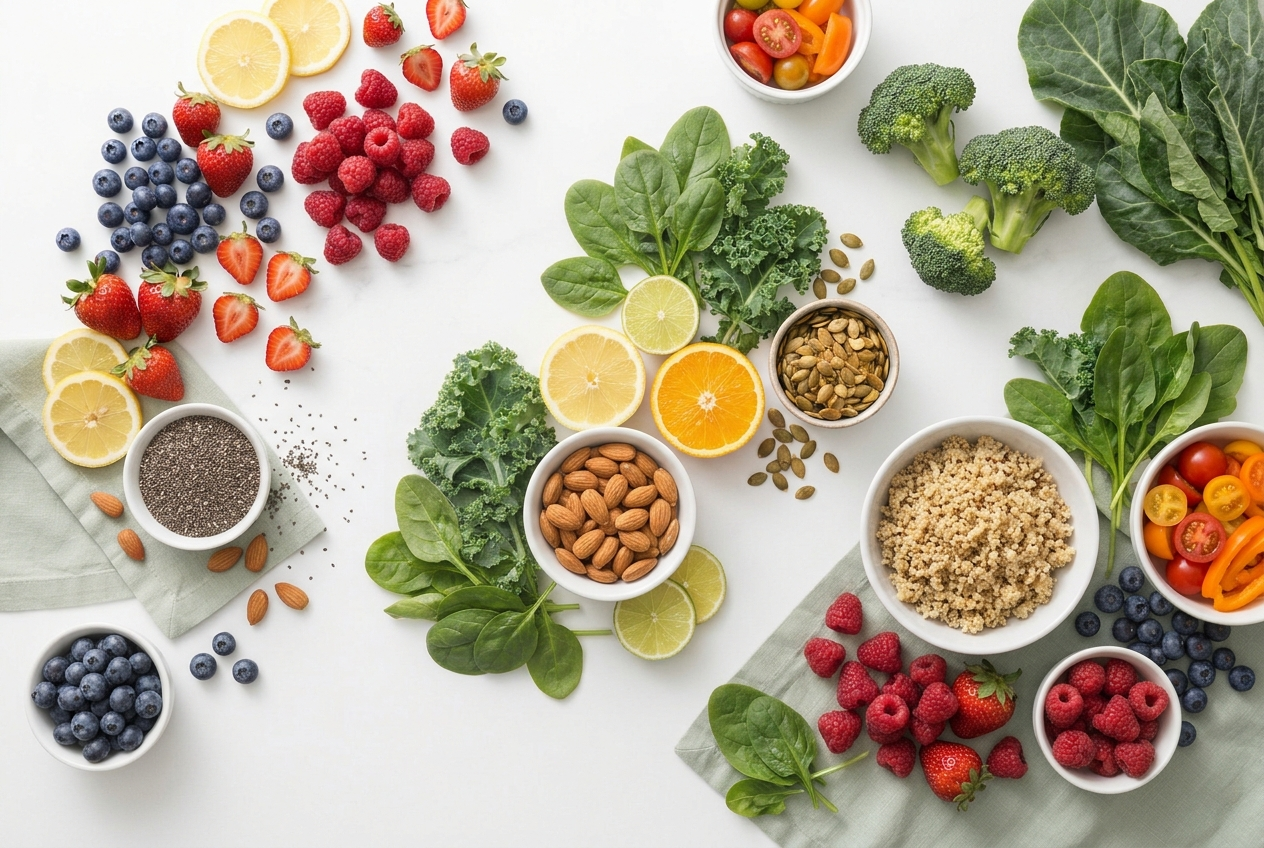
There is no official or scientific definition. In everyday use, a superfood is simply a food with a lot of nutrition for its size: plenty of vitamins, minerals, fibre, healthy fats or phytonutrients, the plant compounds that give foods their colour, flavour and protective benefits. Some, like moringa, are traditionally used from root to leaf. Others, like chia or quinoa, are just a seed. What they share is nutrient density, best eaten as close to whole as possible.
And no single food fixes your health. What matters is the full picture: a spectrum of colourful fruits and vegetables for a wide range of phytonutrients, balanced macros (protein, healthy fats and quality carbohydrates), and the quieter basics we often overlook, like sleep and movement. Superfoods are the bonus, not the foundation.
Worth it: the everyday winners
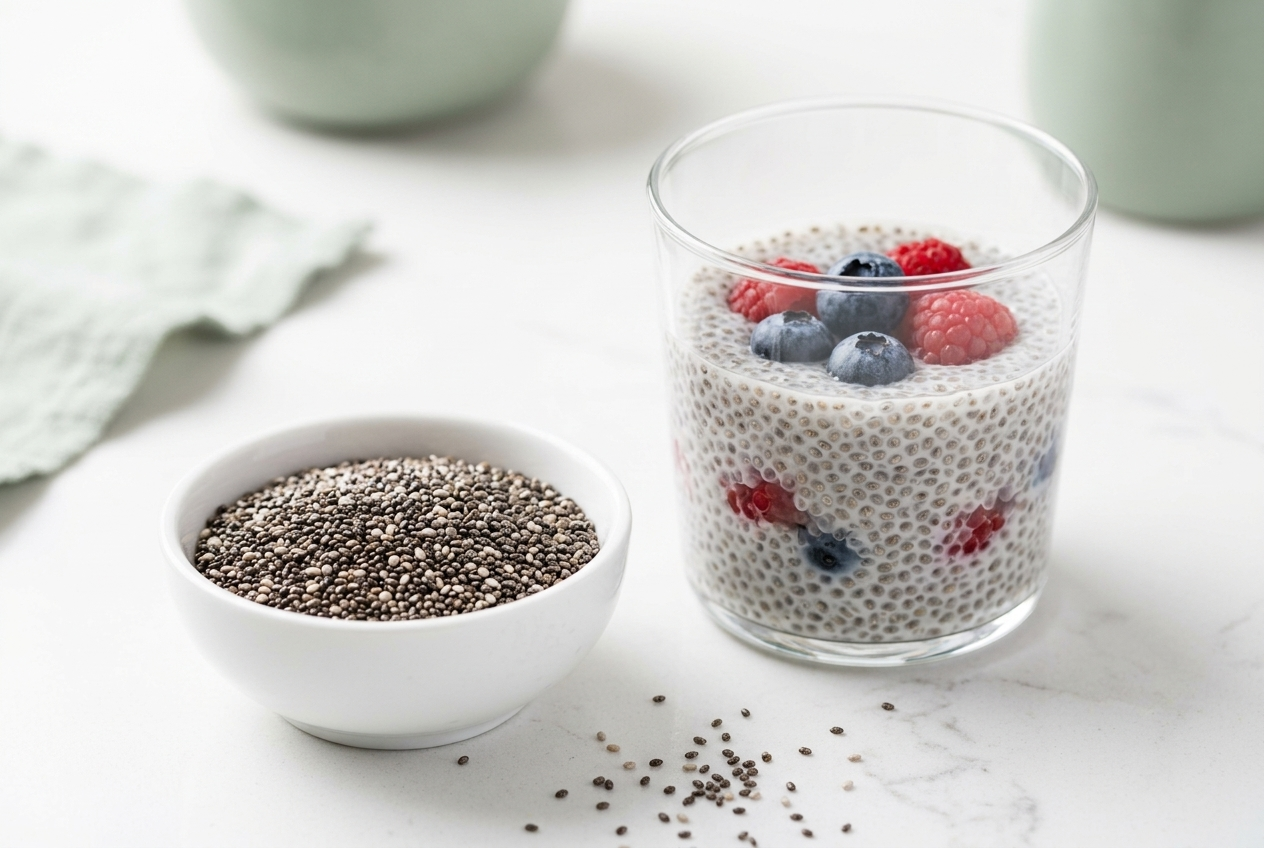
Chia seeds. Two tablespoons (about 28 g) give roughly 10 g of fibre, plus plant omega-3 (ALA), calcium and magnesium. Fibre feeds your gut bacteria and helps steady blood sugar. Soak chia in liquid first (puddings, overnight oats, smoothies). Avoid dry spoonfuls, especially for young children, as the seeds swell and can be a choking risk.
Flaxseeds. Rich in fibre, omega-3 and lignans. They need to be ground, because whole seeds often pass through undigested. Some studies suggest modest benefits for cholesterol and regularity. Keep ground flax in the fridge so the oils stay fresh.
Quinoa. A seed cooked like a grain, and one of the few plant foods with all nine essential amino acids. A cooked cup gives around 8 g of protein and 5 g of fibre, and it is naturally gluten-free. Rinse it well before cooking to remove the slightly bitter coating.
Pumpkin and sunflower seeds. Simple sources of zinc, magnesium and vitamin E. Sprinkle them on salads, yoghurt or porridge, or add them to snack boxes.
Helpful, but keep expectations realistic
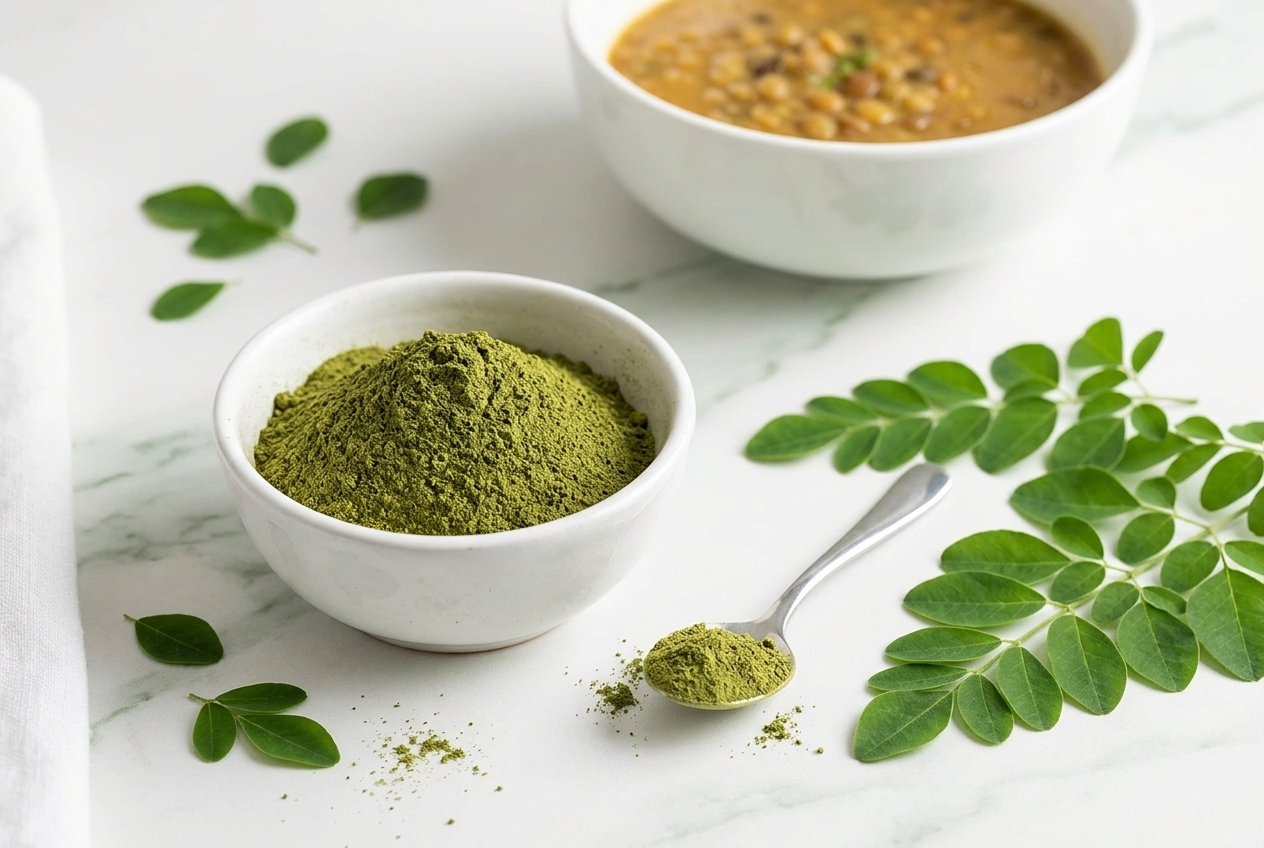
Moringa powder. The leaves contain iron, calcium, vitamin C and antioxidants, and they are traditionally loved. But human research is still small and early. A teaspoon adds nutrients to a meal; it is not a miracle. Stir a pinch into dal, soups or smoothies and start small. If you are pregnant or on medication, check with your doctor first.
Spirulina. A protein-rich algae with iron and antioxidants. Two things to know: the B12 in spirulina is not well used by the human body, so it is not a B12 source for vegans, and quality matters. Choose products that are tested for contaminants. If you have an autoimmune condition, check with your doctor first.
Wheatgrass. A fresh green shot is a lovely ritual if you enjoy it, but human evidence for the big claims is limited. It does not replace vegetables.
Use with care: sea moss
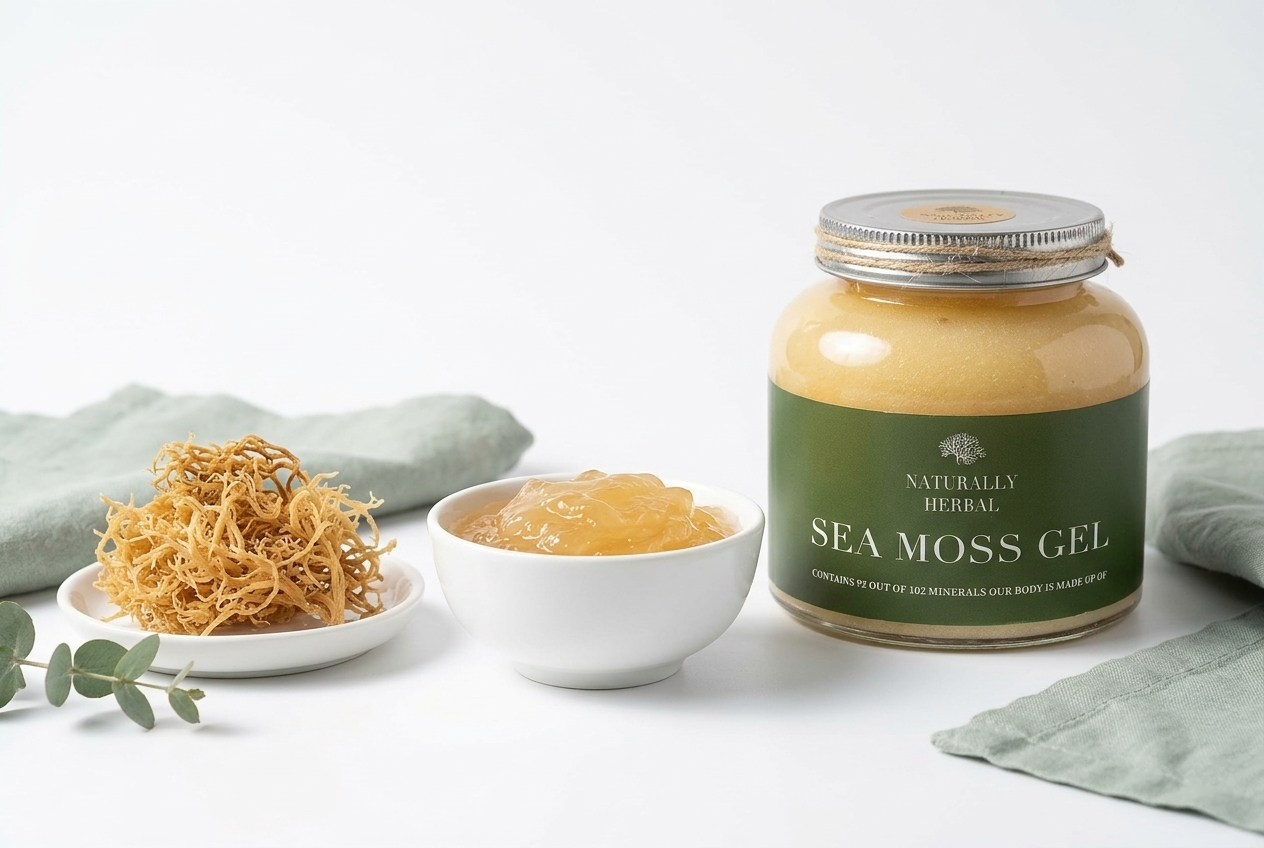
Sea moss is everywhere right now. It contains iodine, but the amount varies widely between products and can be high, and too much iodine can affect thyroid function. The evidence behind the claims for gut, immunity and skin is thin. If you want to try it, keep portions small, and talk to your doctor first if you have a thyroid condition or are pregnant.
Superfoods at a glance
| Food | What it offers | Evidence | Easy way to use |
|---|---|---|---|
| Chia seeds | Fibre, plant omega-3, calcium | Good | Soak in puddings, oats, smoothies |
| Ground flaxseed | Fibre, omega-3, lignans | Good | Stir into oats, pancakes, yoghurt |
| Quinoa | Complete plant protein, fibre | Good | Swap for rice a few times a week |
| Pumpkin & sunflower seeds | Zinc, magnesium, vitamin E | Good | Sprinkle on salads, snacks, lunchboxes |
| Moringa powder | Iron, calcium, antioxidants | Early / limited | A pinch in dal, soups, smoothies |
| Spirulina | Protein, iron, antioxidants | Limited | Tiny amounts; choose tested brands |
| Wheatgrass | Chlorophyll, vitamins | Limited | Occasional shot, not a veg replacement |
| Sea moss | Iodine, minerals | Limited, variable | Use with care (see above) |
How to start without the overwhelm
- Pick one or two to begin with. A kitchen full of powders you never use helps no one.
- Go slowly with fibre. Add a little at a time and drink enough water.
- Keep food first. Superfoods sit on top of a balanced plate, they do not replace it.
- Read the label. Look for single-ingredient products with no fillers or added sugar, and for tested, reputable sources, especially for powders.
- Make it family-friendly: chia pudding for breakfast, ground flax in pancake batter, quinoa instead of rice twice a week, pumpkin seeds in lunchboxes.
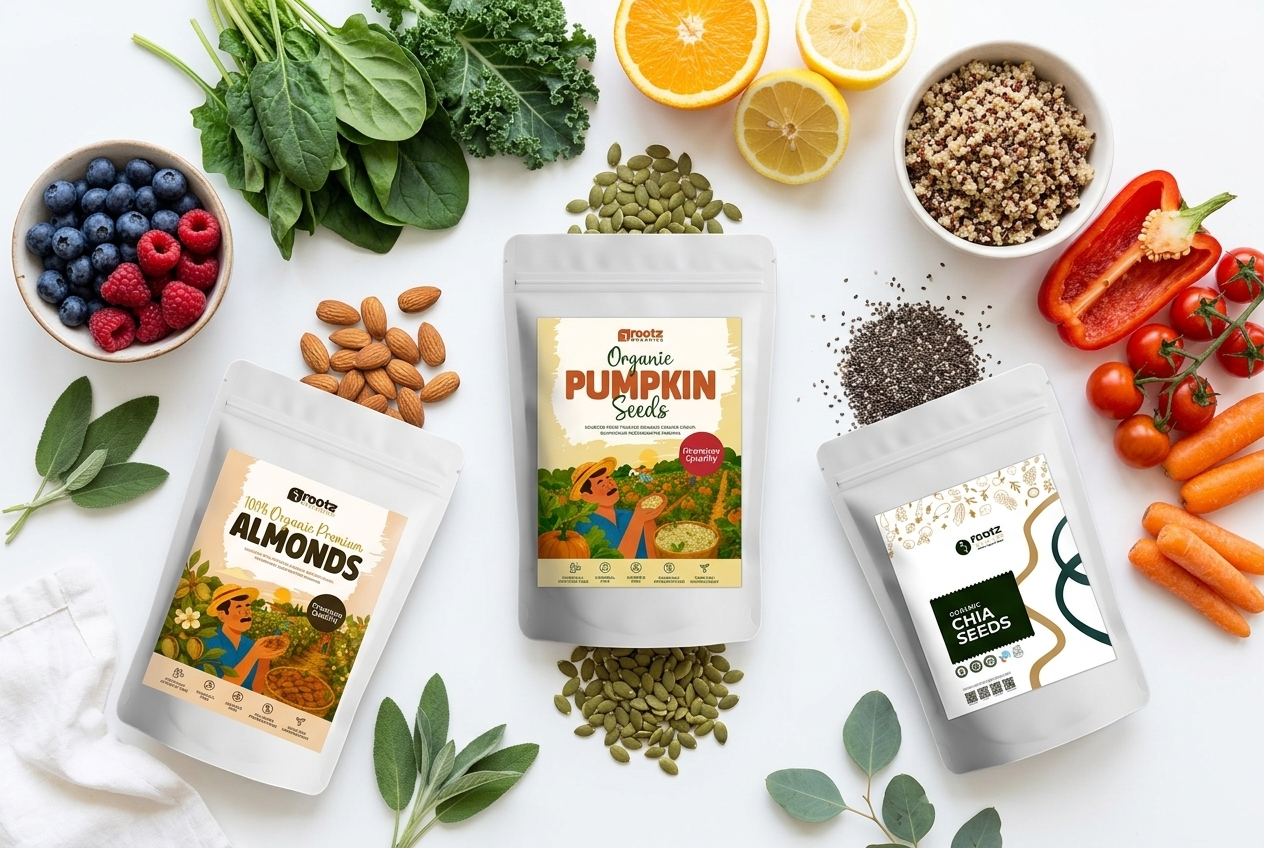
Where to find them in the UAE. Rootz Organics carries many of these in its organic range, including chia and flaxseeds, pumpkin and sunflower seeds, quinoa, moringa powder and spirulina, which makes it easy to build a simple, clean-label pantry. Check the label and current stock for each product.
Frequently Asked Questions
No. A varied diet of whole foods does the heavy lifting. Superfoods are a convenient way to add fibre, minerals and healthy fats, not a requirement.
One to two tablespoons a day is a common amount. Build up gradually and drink plenty of water, as a sudden jump in fibre can cause bloating.
In food-sized amounts, yes, for most children. Always soak chia, grind flax, and keep powders to a pinch. For babies and toddlers, or if there are allergies, check with your paediatrician.
Organic reduces exposure to pesticide residues, but it is not what makes a food nutritious. For powders, where you consume the whole leaf, sourcing and testing matter most.
Please speak with your doctor first. These can interact with certain medications and conditions, and safety data in pregnancy is limited.
No. Whole vegetables give you fibre, variety and volume that a teaspoon of powder cannot.
-

How do you know if organic produce is fresh when it arrives?
November 24th, 2026 -
 November 17th, 2026