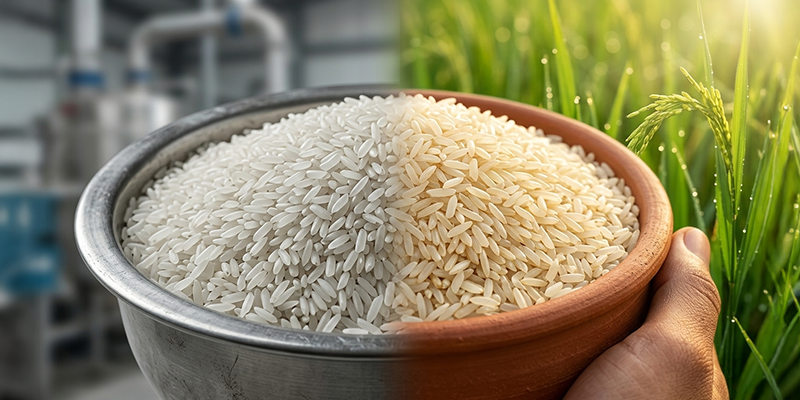
Why Organic Rice is Better Than Regular Rice: Hidden Chemicals You Should Know
Introduction: A Timeless Staple, Reconsidered
Dal-chawal. Rajma-chawal. Curd rice. Across the UAE, in homes that carry rich culinary traditions from India and beyond, rice is more than nourishment — it is heritage, comfort, and quiet indulgence on a plate.
From everyday family meals to carefully curated dining experiences, rice remains a constant in kitchens across Dubai, Abu Dhabi, and Sharjah. It bridges generations, cultures, and memories — a staple that feels both familiar and essential.
Yet, in today’s world of conscious consumption and elevated living, even the most familiar foods deserve a closer look.
Because beneath its simplicity lies an important question:
What truly lies within the rice we consume every day?
The answer is not always as straightforward as we might expect. Much of the conventionally sourced rice available in modern retail environments is shaped by a system designed for efficiency, scalability, and visual uniformity. This system often relies on synthetic pesticides, chemical fertilisers, post-harvest treatments, and intensive polishing processes.
For the modern UAE consumer — well-travelled, well-informed, and increasingly health-conscious — this raises an important consideration: is what looks perfect truly the best choice for long-term wellbeing?
This is not about creating concern. It is about aligning everyday choices with a lifestyle that values purity, transparency, and uncompromised quality.
Understanding the Journey of Conventional Rice
To appreciate the difference, it is important to understand how most commercially available rice reaches your plate.
What appears as a pristine, polished grain is often the result of a highly industrialised journey — one that prioritises durability and appearance over natural integrity.
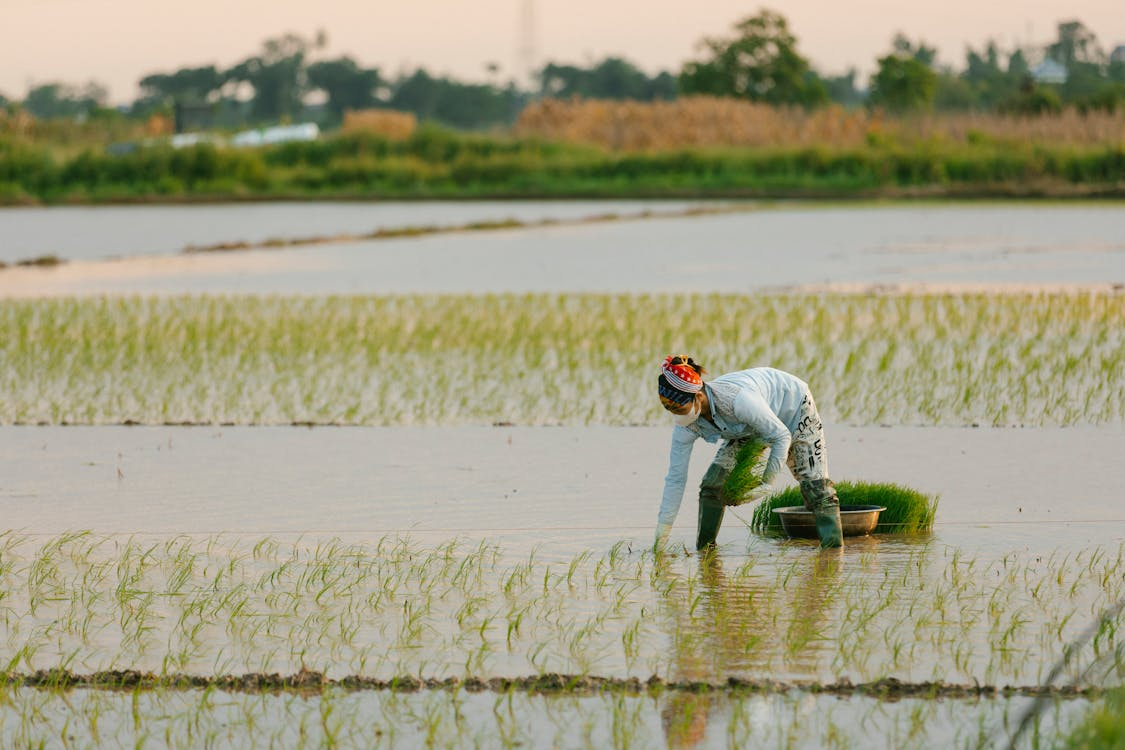
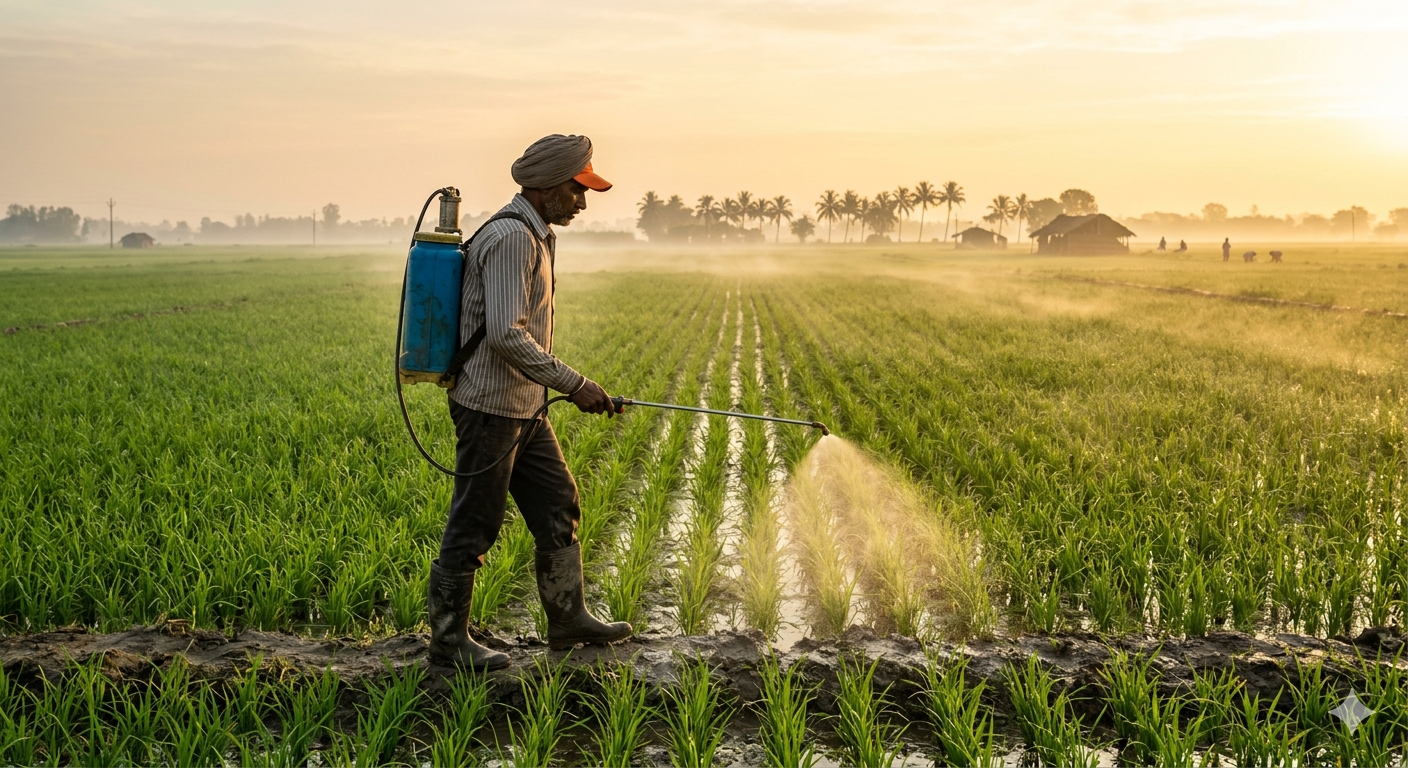
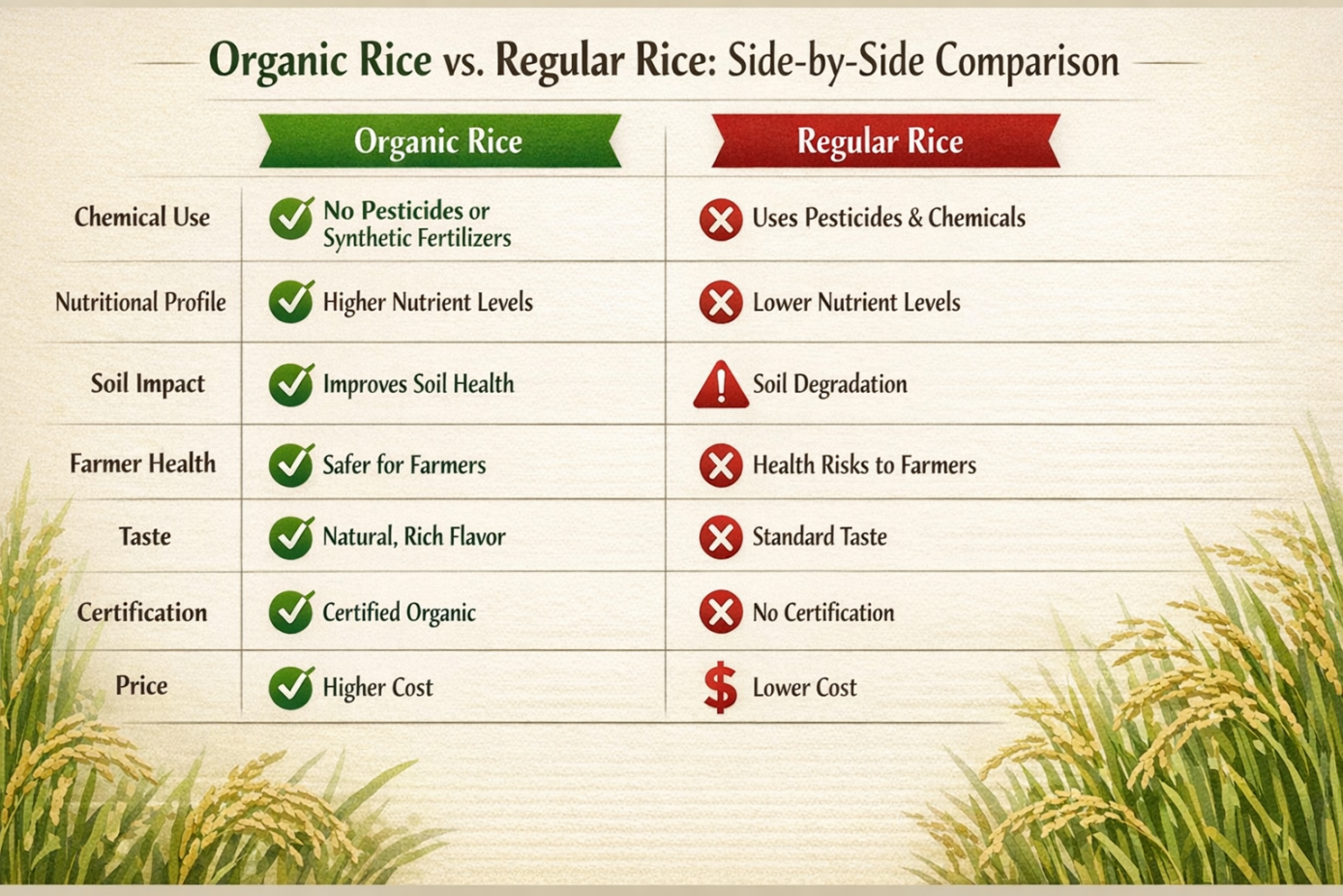
At cultivation - modern rice farming frequently depends on synthetic pesticides and herbicides to protect crops from pests, weeds, and disease. These chemicals ensure higher yields and consistency, but trace residues can remain embedded in the grain.
Within the soil - decades of chemical fertiliser use can alter soil composition, reducing microbial diversity and natural fertility. Over time, this impacts the nutrient density of the crop itself.
Post-harvest handling - once harvested, rice intended for international markets like the UAE is often treated with fumigants to protect it during extended storage and transportation. This step is essential for large-scale supply chains, but rarely visible to the end consumer.
Processing and polishing - the bright white rice that many consumers associate with quality undergoes aggressive milling. This process removes the bran and germ — the most nutrient-rich components — leaving behind primarily starch.
The result is visually appealing, uniform, and long-lasting. But in achieving this, much of the grain’s natural character is diminished.
Health, Over Time: A More Refined Perspective
In the UAE, where wellness is increasingly viewed as a long-term investment rather than a short-term fix, food choices are evolving accordingly.
The concern with conventionally processed staples is not immediate or dramatic. Instead, it is subtle and cumulative.
Repeated exposure to low levels of chemical residues — even within permissible limits — may gradually place stress on the body’s natural detoxification systems. Over time, this can influence overall health and vitality.
Scientific discussions around this topic often highlight potential associations with:
• Hormonal imbalance — subtle disruptions that may affect metabolism, energy, and overall wellbeing
• Gut health disturbances — impacting digestion, immunity, and nutrient absorption
• Increased burden on liver and kidneys — the body’s primary filtration organs
• Developmental sensitivity in children — where even low exposure levels may carry greater impact
For children, pregnant women, and ageing individuals, the importance of reducing unnecessary exposure becomes even more relevant.
This is not a shift driven by fear — but by a deeper understanding of preventive health, longevity, and conscious living.
Organic Rice: A Return to Authenticity
Organic rice represents a thoughtful departure from industrial agriculture — a return to methods that prioritise soil health, ecological balance, and natural cultivation.
In the UAE, organic food products are regulated by authorities such as the :contentReference[oaicite:0]{index=0} and supported by local governance from :contentReference[oaicite:1]{index=1}. These frameworks ensure that imported organic products meet stringent international standards.
Certified organic rice is cultivated without synthetic pesticides, chemical fertilisers, genetically modified organisms, or artificial post-harvest treatments.
Instead, farmers rely on:
• Natural compost and organic inputs to nourish the soil
• Biological pest control methods such as neem-based solutions
• Traditional and resilient rice varieties adapted to local ecosystems
• Sustainable water management practices
This approach does more than produce cleaner food — it restores balance to the ecosystem and preserves agricultural heritage.
For the consumer, it offers something increasingly rare: complete traceability and trust.
The Nutritional Distinction
One of the most compelling reasons discerning consumers in the UAE are turning to organic rice is its superior nutritional profile.
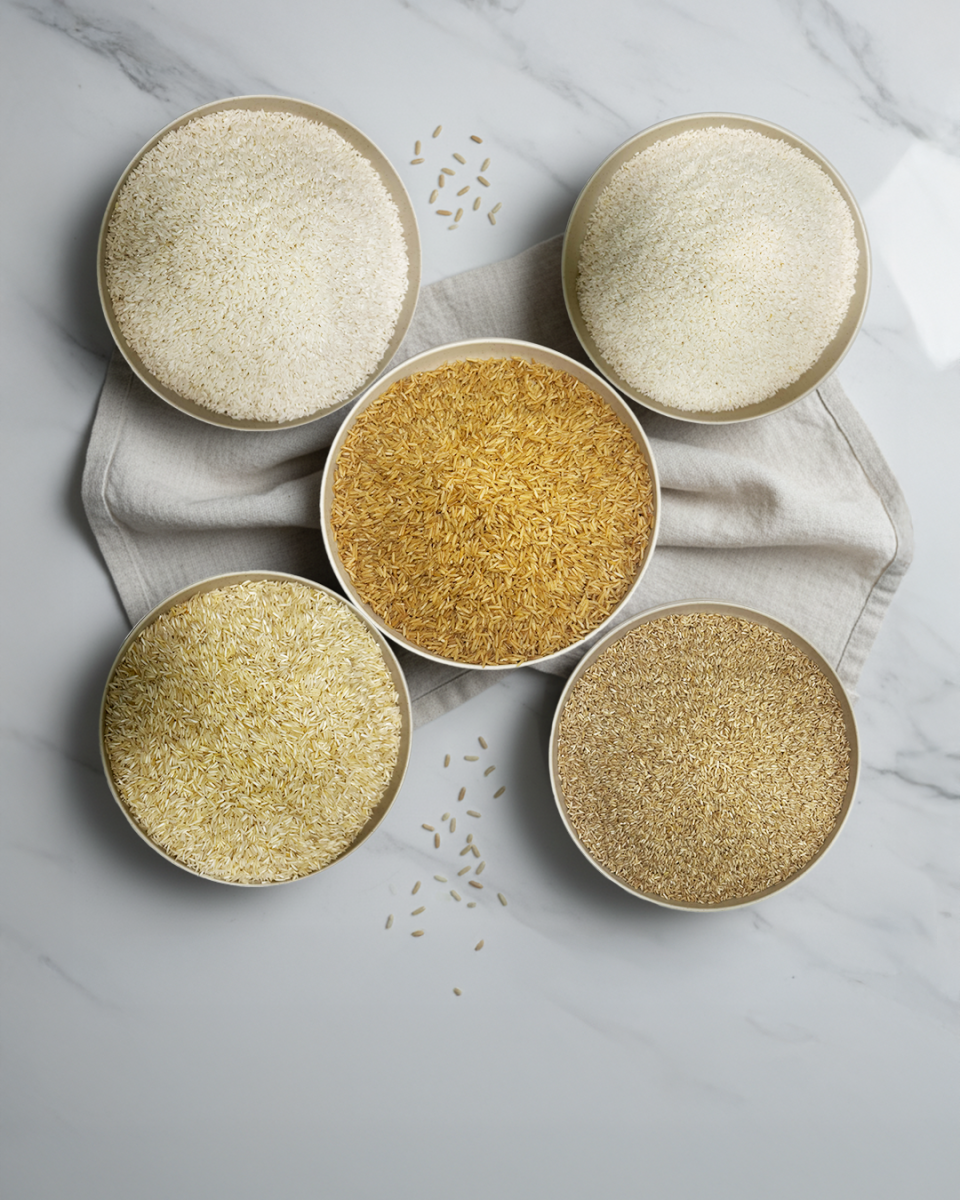
Unlike heavily processed white rice, organic varieties — particularly unpolished or semi-polished — retain their natural composition.
This translates into:
• Higher antioxidant content
Organic crops often produce more natural defence compounds, resulting in higher levels of beneficial antioxidants.
• Enhanced mineral retention
Key nutrients such as magnesium, zinc, and iron remain intact due to minimal processing.
• Natural dietary fibre
The preserved bran layer supports digestion and sustained energy release.
• Superior flavour and aroma
Organic rice offers a depth of taste that reflects its origin — something immediately noticeable to refined palates.
In premium culinary settings, this difference is not just nutritional — it is experiential.
Reframing the Cost Conversation
In a market like the UAE, where quality is often prioritised over cost, the conversation around organic food takes on a different perspective.
Yes, organic rice is priced higher than conventional alternatives. This reflects the cost of sustainable farming, certification, smaller-scale production, and stringent quality control.
However, when viewed through the lens of long-term health and lifestyle, the difference becomes marginal.
On a per-meal basis, the additional cost is minimal — often less than the price of a cup of coffee. Yet the value it delivers in terms of clean nutrition, reduced exposure, and peace of mind is significant.
For those who value elevated living, this is not an expense — it is an intentional choice.
Choosing Organic Rice in the UAE: A Discerning Approach
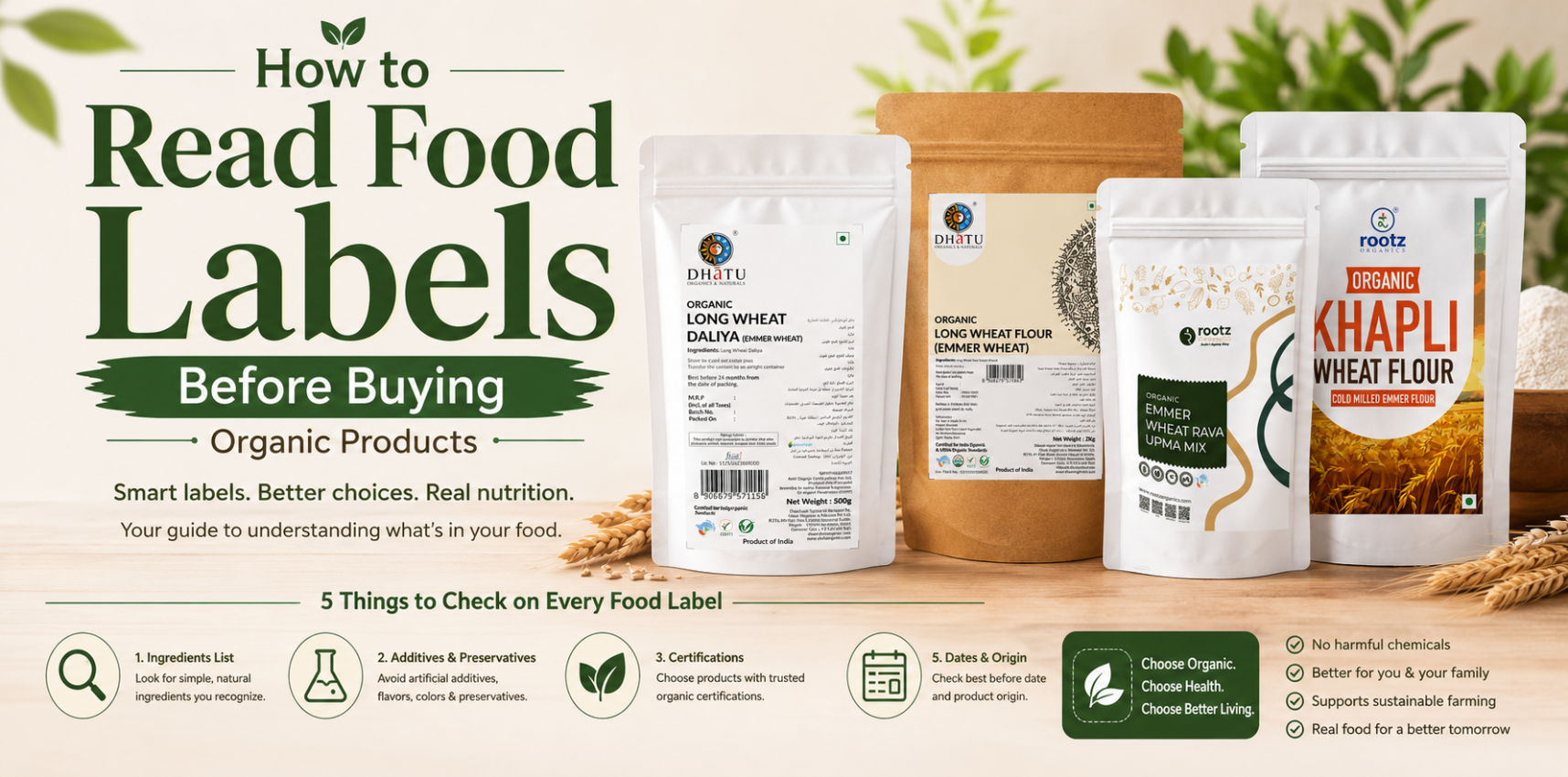
With increasing availability, selecting the right organic rice requires attention to detail:
• Certification matters
Look for globally recognised certifications such as EU Organic, USDA Organic, or NPOP.
• Transparency is key
Brands should clearly state origin, sourcing practices, and quality testing.
• Processing level
Prefer unpolished or minimally processed varieties for maximum nutritional benefit.
• Brand integrity
Choose companies that prioritise authenticity over marketing.
At Rootz Organics, every grain is sourced with intention — directly from verified farms, rigorously tested, and thoughtfully delivered to homes across the UAE.
Conclusion: Elevated Everyday Living
Luxury today is not defined by extravagance — but by discernment. It is reflected in the choices we make daily, often in the simplest aspects of life. Switching to organic rice is one such choice — subtle, yet impactful. It transforms a basic staple into something cleaner, richer, and aligned with a more conscious way of living. For families in the UAE who prioritise quality, wellness, and authenticity, this is not a trend — it is a natural evolution.
Your table reflects your values. Choose with intention.
Ready to Experience the Difference?
Rootz Organics offers a curated selection of certified organic rice, sourced with care and delivered across the UAE for those who expect nothing but the best.
Explore Our Organic Rice Collection — where purity meets refinement.
FAQs
Q: Is organic rice truly free from chemicals?
A: Certified organic rice is grown without synthetic pesticides or fertilisers and must meet strict international standards before being sold in the UAE.
Q: Which varieties are popular in the UAE?
A: Premium Basmati, Sona Masoori, brown rice, and red rice are widely preferred across households.
Q: Does organic rice taste different?
A: Yes, it offers a richer aroma and more complex flavour profile.
Q: Is it suitable for children?
A: Yes, it is often preferred due to reduced exposure to synthetic residues.
Q: How can I verify authenticity?
A: Look for recognised certifications and transparent sourcing aligned with UAE standards.
-
Psyllium Husk and Whole Seeds: The Simple Fibre Upgrade Every UAE Kitchen Needs
September 11th, 2026 -
 August 14th, 2026
 -
 August 14th, 2026