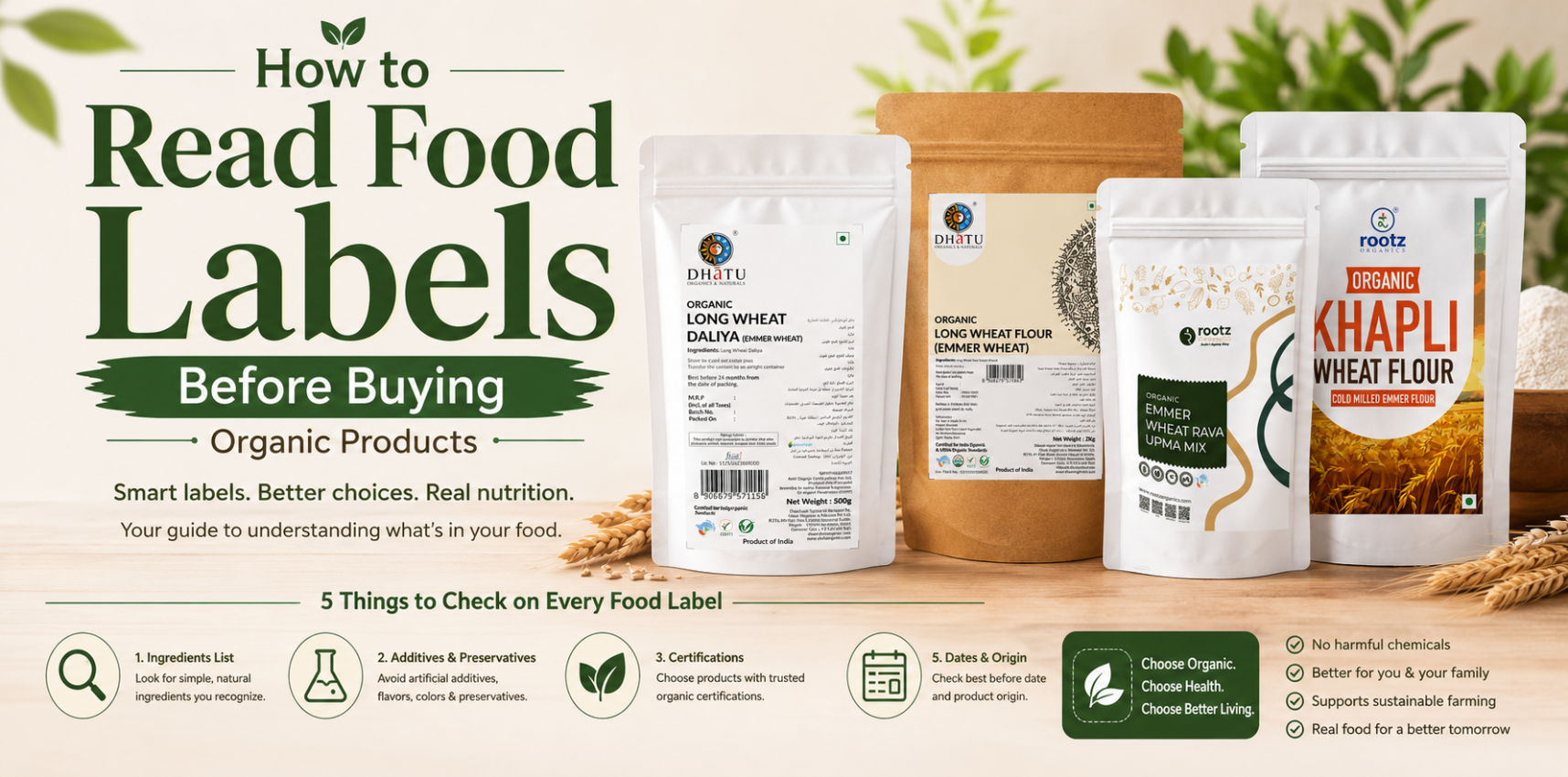
How to Read Food Labels Before Buying Organic Products
Walk down any supermarket aisle in Dubai or Abu Dhabi and you'll see the word "organic" printed on everything from flour to snack bars. But a label alone doesn't guarantee quality. Knowing how to read food labels correctly is the difference between buying a genuinely clean product and paying a premium for clever marketing. This guide breaks down exactly what to look for — certifications, ingredient order, hidden sugars, and the claims that sound healthy but mean very little.
What Is Food Label Reading?
Food label reading is the practice of checking a product's ingredient list, nutrition panel, certification marks, and claims to verify what it actually contains before purchase. It helps shoppers separate genuinely organic or clean-label products from items that merely use health-related buzzwords for marketing purposes.
Why Reading Food Labels Matters When Buying Organic in the UAE
In the UAE, organic labeling isn't regulated as tightly as in the EU or US, which means shoppers carry more responsibility for verifying claims themselves. A product can legally use the word "natural" without meeting any organic standard at all.
The UAE imports the majority of its packaged food, so labels often carry certifications from multiple countries — USDA Organic, EU Organic, India Organic, or local ESMA (Emirates Authority for Standardisation and Metrology) approval. Recognizing which of these marks are genuine third-party certifications, rather than self-declared claims, is the first skill any informed buyer needs.
Families managing gluten intolerance, diabetes, or general wellness goals rely on accurate labels even more, since a single misread ingredient can trigger a reaction or undo a dietary plan.
Understanding Organic Certification Marks
A genuine organic certification mark means an independent body has audited the farm and production process. Look for USDA Organic, EU Organic (the green leaf logo), or India's Jaivik Bharat mark — these require annual inspections and documented supply chains, unlike unregulated terms such as "eco" or "pure."
Common Certifications Found on UAE Shelves
- USDA Organic — requires at least 95% certified organic ingredients and no synthetic pesticides.
- EU Organic — regulated under EU 2018/848, covering soil management and animal welfare.
- India Organic (Jaivik Bharat) — common on pulses, spices, and grains exported to the Gulf.
- ESMA Halal & Food Safety Mark — confirms compliance with UAE food safety law, though it does not certify organic status on its own.
If a package shows no certification logo at all and simply prints "organic" in large text, treat that as a claim to verify, not a guarantee.
Key Terms You'll Find on Organic Food Labels
Several words appear constantly on packaging but carry very different legal weight. Understanding these terms prevents shoppers from overpaying for a product that isn't meaningfully different from a conventional one.
Organic vs Natural vs Non-GMO
"Organic" is a certified, audited standard. "Natural" has no legal definition in most markets, including the UAE, and can appear on heavily processed foods. "Non-GMO" only refers to genetic modification and says nothing about pesticide use or processing methods — a product can be non-GMO and still contain refined sugar, preservatives, or artificial flavoring.
Gluten-Free and Vegan Claims
A "gluten-free" label should ideally reference a tested threshold, typically under 20 parts per million, rather than just a printed claim. Shoppers building a gluten-free pantry with gluten free flours should check that the product is milled and packed in a dedicated facility to avoid cross-contamination with wheat.
Step-by-Step: How to Read Food Labels Like an Expert
Reading a label properly takes under a minute once you know the sequence to follow. Use this order every time you pick up a packaged product.
- Check the certification logo first. Confirm it's from a recognized body (USDA, EU, India Organic) rather than an unverified brand seal.
- Read the ingredient list, not the front of the pack. Ingredients are listed in descending order by weight, so the first three items reveal what the product is mostly made of.
- Scan for added sugar under different names. Sucrose, maltodextrin, corn syrup, and "cane juice" are all forms of sugar hidden under alternate names.
- Check the allergen and processing statement. Look for "may contain traces of" wording if you're managing gluten, nuts, or dairy sensitivities.
- Compare the nutrition panel per 100g, not per serving. Serving sizes vary by brand, making per-serving comparisons misleading between products.
- Verify the country of origin and packing date. Freshness matters more for minimally processed organic goods than for shelf-stable conventional ones.
Ingredient List Red Flags to Watch For
The ingredient list is where marketing claims get tested against reality. A short, recognizable list is generally a stronger sign of quality than a long one filled with numbered additives.
Signs a "Healthy" Product Isn't
- Sugar (in any form) listed within the first three ingredients
- Refined vegetable oils replacing named oils like sunflower or coconut
- Preservative codes (E200–E290 range) on a product marketed as "clean-label"
- Artificial flavoring listed despite "natural flavor" claims on the front
- A long ingredient list on a product type that traditionally needs very few — such as flour, seeds, or dried pulses
For example, a bag of pure organic wheat flour should list exactly one ingredient: whole wheat. If a flour blend lists five or more additives, it has moved away from being a whole-grain product.
Comparing Organic and Conventional Food Labels
Placed side by side, organic and conventional labels differ in three consistent areas: certification, ingredient count, and additive use.
Permitted within legal limits | Organic Product | Conventional Product |
Certification | Third-party audited (USDA, EU, India Organic) | Often self-declared or absent |
Ingredient count | Typically 1–5 recognizable ingredients | Often self-declared or absent |
Preservatives | Rarely used; shorter shelf life | Common, extends shelf life |
Pesticide residue | Restricted under certification standards | Permitted within legal limits |
Common Label Claims That Can Mislead
Certain phrases are designed to catch the eye rather than inform the buyer. "Made with organic ingredients" (as opposed to "organic") can legally mean as little as 70% organic content. "Sugar-free" products can still contain sugar alcohols that spike blood sugar in sensitive individuals. "Multigrain" says nothing about whether the grains are whole or refined.
An expert habit worth building: whenever a front-of-pack claim uses a percentage, a comparative word ("lighter," "reduced"), or a vague descriptor ("wholesome," "farm-fresh"), turn the pack over and verify it against the ingredient list before trusting it.
Building a Label-Literate Grocery Routine
Once the certification-then-ingredients-then-nutrition sequence becomes habit, checking a label takes seconds rather than minutes. Many UAE households now shop for healthy foods online specifically because curated organic retailers pre-screen products for certification and ingredient transparency, removing much of the manual checking.
Shopping through a dedicated organic grocery online platform also makes it easier to compare full ingredient panels before purchase, since most listings display the same information found on the physical packaging. For households transitioning toward cleaner eating, starting with pantry staples — flours, seeds, and pulses — tends to be the simplest entry point, since these categories have the shortest, most verifiable ingredient lists.
Rootz Organics lists certification details and full ingredient panels on every product page, reflecting the same standards described above across its range of organic food products.
Frequently Asked Questions
How can I tell if a food label is genuinely organic?
Look for a recognized third-party certification mark, such as USDA Organic, EU Organic, or India Organic, printed directly on the package. If the word "organic" appears only in the product name or description without an accompanying certification logo, verify the brand's claims independently before purchasing.
What is the correct order to read a food label in?
Start with the certification mark, then check the ingredient list for order and additives, followed by the nutrition panel compared per 100g. Finally, review the allergen statement and country of origin. Following this sequence every time makes label checking fast and consistent.
Does "natural" mean the same thing as "organic" on food packaging?
No. "Organic" is a certified, regulated standard requiring third-party audits, while "natural" has no formal legal definition in most markets, including the UAE. A product labeled "natural" can still contain refined sugar, preservatives, or processed oils.
Why do organic products sometimes have shorter ingredient lists?
Organic certification restricts the use of synthetic preservatives, artificial flavors, and processing aids, so manufacturers rely on fewer, more recognizable ingredients. A short list is generally a positive indicator of minimal processing rather than an accident of formulation.
Can gluten-free labels be trusted without additional checking?
A gluten-free claim is more reliable when it references a tested threshold (commonly under 20 parts per million) and states the product was packed in a dedicated gluten-free facility. Without this detail, cross-contamination remains possible even on genuinely gluten-free ingredients.
-
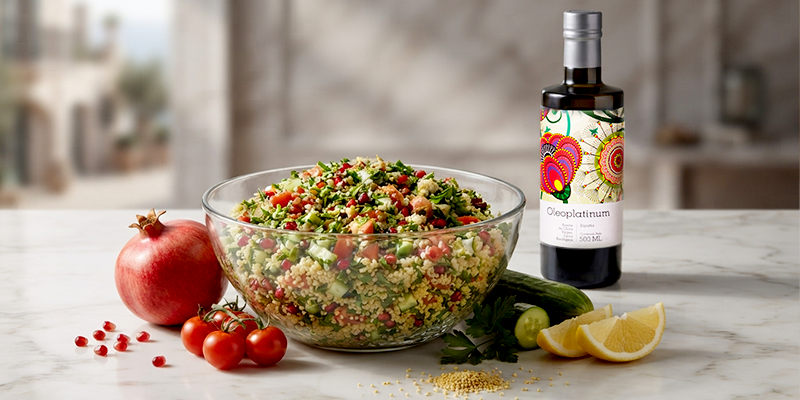
Foxtail Millet Tabbouleh: The Spain-Inspired, Gluten-Free Salad I Fell in Love With
September 25th, 2026 -
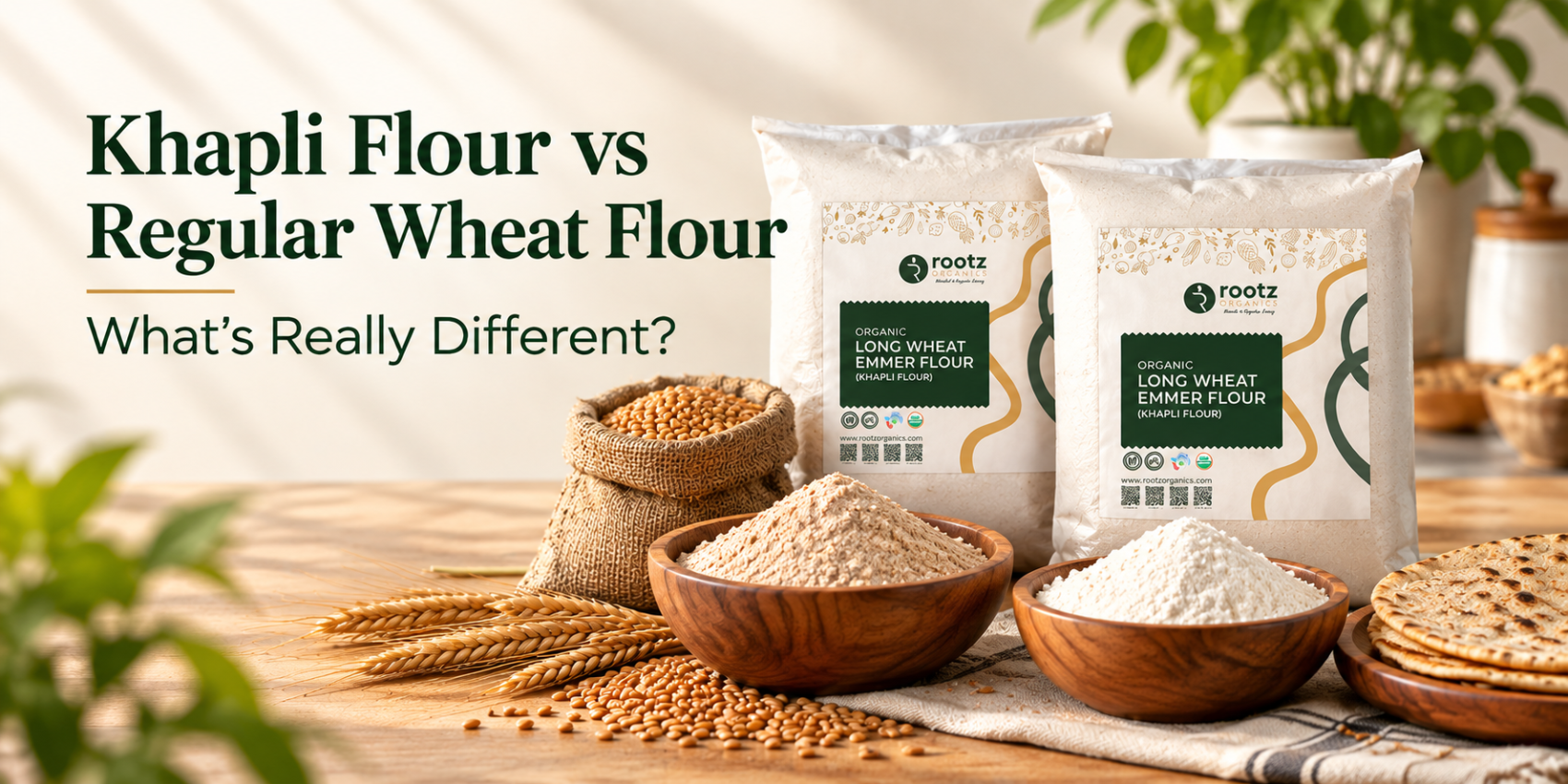
Khapli Flour vs Regular Wheat Flour: What’s Really Different?
September 23rd, 2026 -
Psyllium Husk and Whole Seeds: The Simple Fibre Upgrade Every UAE Kitchen Needs
September 11th, 2026 -
 August 14th, 2026