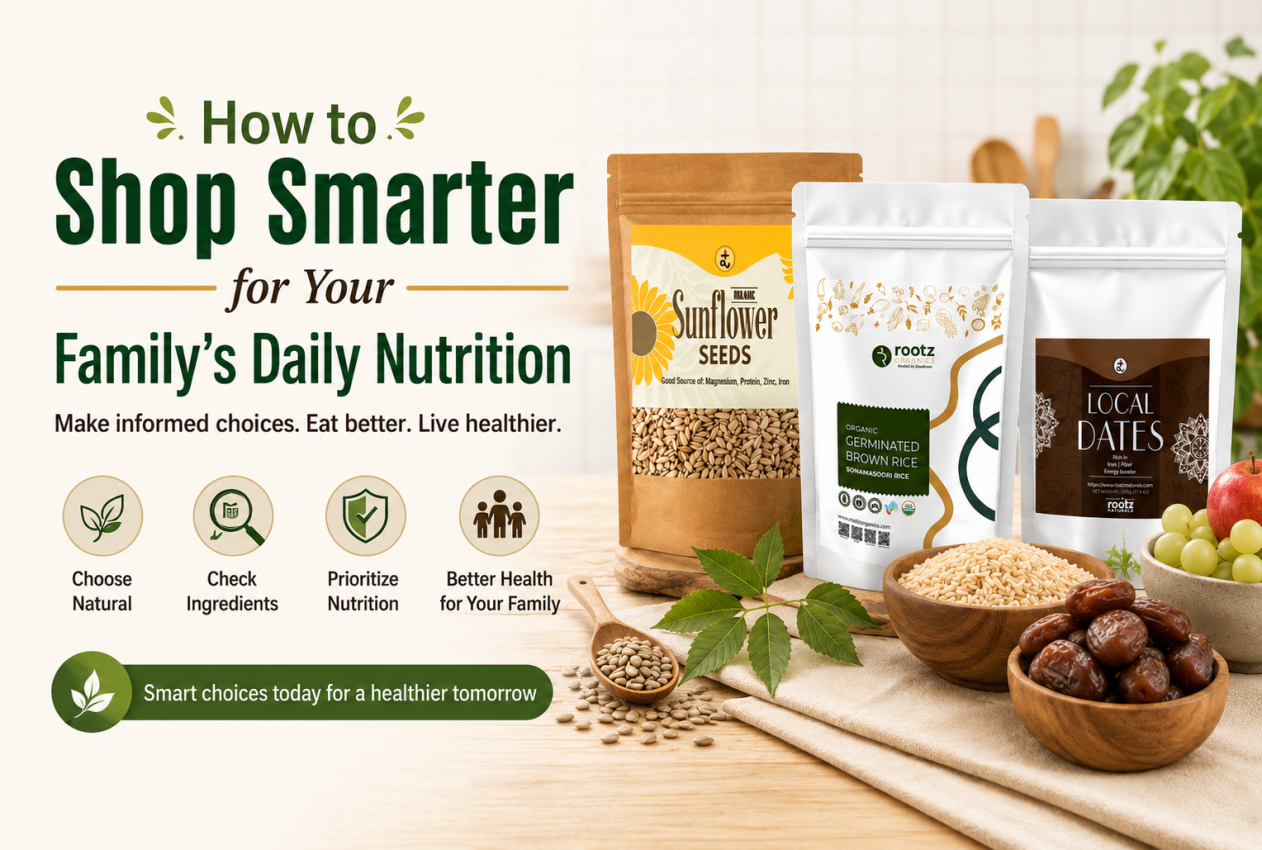
How to Shop Smarter for Your Family's Daily Nutrition
Shop Smarter for Your Family's Daily Nutrition
Grocery shopping has quietly become one of the most important decisions a UAE household makes every week. Between school lunches, office tiffins, and dinner plates, what lands in your cart directly shapes how your family feels, focuses, and grows. Yet most of us still shop on autopilot — grabbing familiar brands, chasing discounts, or rushing through a supermarket aisle without really reading a label.
Smart shopping isn't about buying more "healthy-sounding" products. It's about building a system: knowing what your family actually needs, recognising which labels matter, and choosing sources you can trust. This guide breaks down exactly how to do that, with practical steps suited to how families in Dubai, Abu Dhabi, and across the UAE actually shop today — in-store, online, or a mix of both.
Why Everyday Grocery Choices Matter So Much
Every meal a family eats is built from what's in the pantry and fridge. If those shelves are stocked with refined, heavily processed items, even the best home cooking can't fully offset the gaps. On the other hand, a thoughtfully stocked kitchen makes healthy eating the default, not the exception.
This matters even more in the UAE, where the climate, long working hours, and a fast urban lifestyle often push families toward convenience over quality. Add in the fact that most fresh produce and packaged food here is imported, and the question of what you're buying — and how it was grown, processed, or preserved — becomes genuinely important for long-term family health.
The good news: smarter shopping doesn't require a complete lifestyle overhaul. A few consistent habits, applied every time you shop, can transform what your family eats without adding stress to your routine.
Start With a Plan, Not a Wish List
Most unhealthy grocery hauls don't happen because people don't care about nutrition — they happen because there was no plan. Walking into a store hungry, tired, or in a rush almost guarantees impulsive choices.
A simple weekly meal outline changes this completely. Before you shop:
List Meals First, Ingredients Second - Decide on five or six core meals for the week, then build your shopping list from those, rather than buying random items and hoping they combine into something edible.
Account for Every Family Member's Needs - A growing child, a fitness-focused parent, and someone managing blood sugar may all need slightly different staples — plan for variety rather than one-size-fits-all meals.
Leave Room for Fresh, Perishable Buys - Plan your pantry staples in advance, but keep produce purchases flexible so you can choose whatever is freshest that week. This approach also naturally curbs over-spending, since unplanned "just in case" purchases are usually the ones that go to waste.
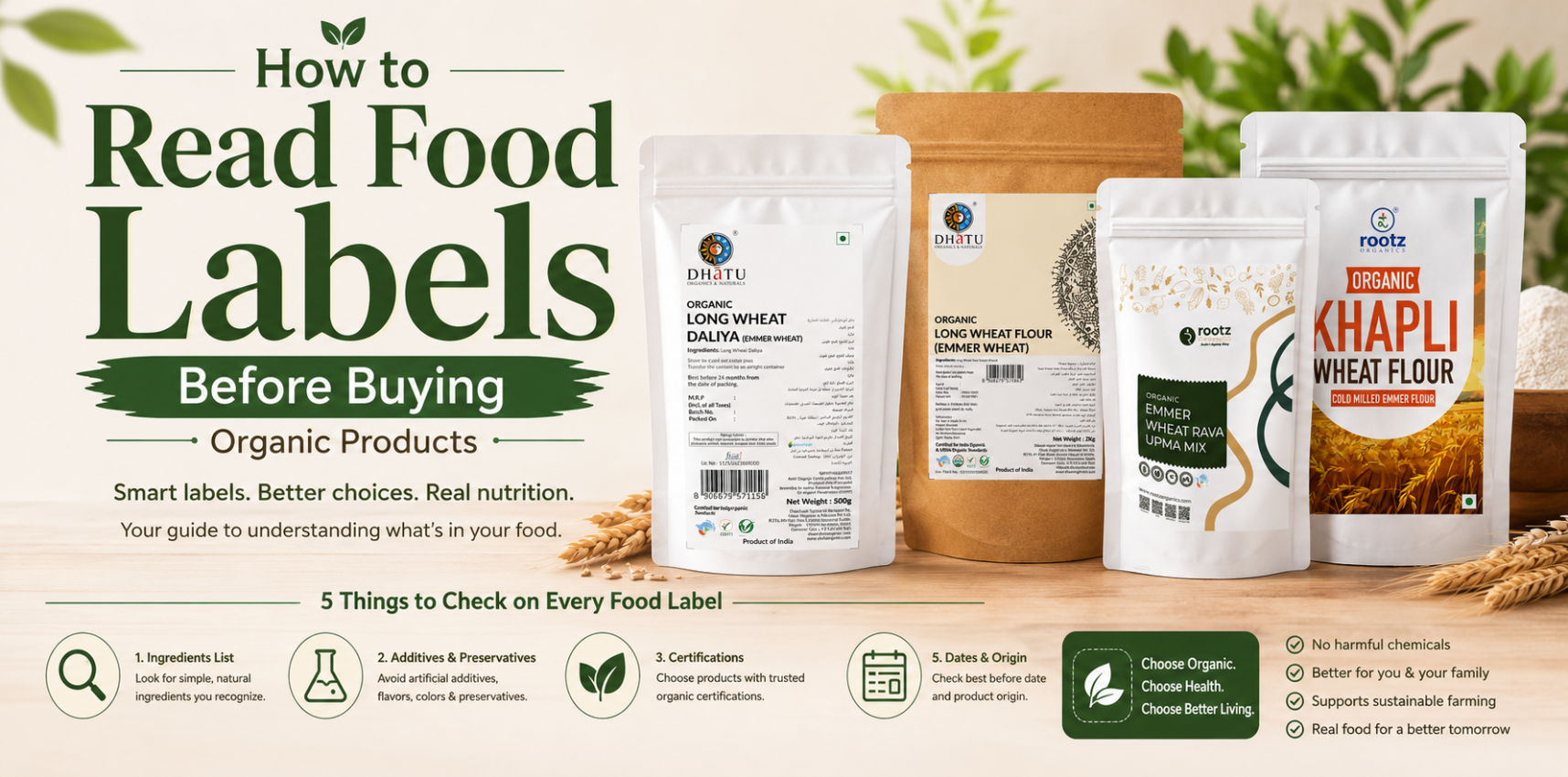
Read Labels Like a Professional, Not a Skimmer
Packaging is designed to catch your eye, not necessarily to inform you. Words like "natural," "healthy choice," or "no added sugar" are marketing terms with no strict legal definition in many markets, and they often distract from the actual ingredient list.
To shop smarter, train yourself to check three things on every package:
The Ingredient List, Not the Front Claims
Ingredients are listed by weight, so if sugar, refined oil, or a preservative appears in the first three items, the product isn't as wholesome as the packaging suggests.
Certifications That Are Actually Regulated
Look for recognised organic certification marks rather than self-declared "organic-style" labels, since certified standards restrict synthetic pesticides, GMOs, and artificial additives.
Additive Codes and Preservatives
A short ingredient list you can pronounce is usually a good sign; a long string of E-numbers and stabilisers is a signal to put the product back.
This single habit — reading the back of the pack before the front — is arguably the most powerful nutrition upgrade a family can make, and it costs nothing.
Build Your Cart Around Whole, Minimally Processed Foods
Once a plan and label-reading habit are in place, the next step is deciding what categories deserve the most space in your trolley. A useful mental model is to fill 80% of your cart with whole or minimally processed foods, and treat packaged convenience items as the remaining 20%.
Fresh Produce Should Anchor Every Shop
Seasonal vegetables and fruit retain more vitamins, taste better, and are usually priced more reasonably than out-of-season imports. If you shop online, choosing a supplier that lets you buy organic vegetables online makes it easier to maintain this habit without daily store visits.
Whole Grains and Pulses Build the Base of Balanced Meals
Brown rice, millets, whole wheat, lentils, and chickpeas provide steady energy and fibre — far more than their refined, polished counterparts.
Good Fats Deserve a Place Too
Cold-pressed oils, ghee from grass-fed sources, and nuts in moderation support brain function and hormone health, especially for growing children.
Natural Snacking Options Prevent Processed-Snack Reliance
Keeping dried fruit, roasted nuts, and seeds within reach means family members reach for something nourishing when hunger strikes between meals, rather than defaulting to packaged chips or sugary biscuits.
How to Choose Between Organic, Conventional, and "Natural" Labels
This is one of the most searched questions among health-conscious shoppers, and for good reason — the terms are often used loosely.
Organic Means the product was grown or processed under certified standards: no synthetic pesticides, no GMOs, and restricted use of artificial fertilisers. This is a regulated claim, not a marketing word.
Natural Has no consistent legal definition in most regions. A product can be labelled "natural" while still containing refined sugar or preservatives.
Conventional Produce and packaged goods are perfectly safe within regulatory limits, but may carry pesticide residues or rely more heavily on additives for shelf life.
For families who want to reduce chemical exposure without overhauling their entire pantry, a practical approach is to prioritise organic for the items eaten most often and in the largest quantities — leafy greens, dairy, grains, and snacks consumed daily — while being more flexible with items eaten occasionally. Choosing to buy organic food online for these everyday staples is often easier than trying to verify every label during a rushed in-store visit.
Smart Strategies for Stocking a Family Pantry
A well-stocked pantry is what makes healthy cooking effortless on a busy weekday. A few strategies make this sustainable long-term:
Buy Staples in Bulk, Perishables in Small Batches
Grains, pulses, oils, and spices have a longer shelf life and are usually cheaper per unit when bought in larger packs. Fresh vegetables and fruit, on the other hand, should be bought in quantities you'll actually use within a few days.
Rotate Your Protein Sources
Relying on just one protein source (say, chicken or paneer) limits nutrient variety. Mixing in lentils, eggs, dairy, and occasionally fish or sprouted legumes ensures a broader range of amino acids and micronutrients across the week.
Keep a "Ready in Five Minutes" Shelf
Stock a small section of quick, wholesome options — boiled chickpeas, roasted seeds, dried fruit — so that when energy is low, the easiest option is still a nourishing one rather than a packaged snack.
Don't Ignore Natural Sweeteners
Swapping refined white sugar for jaggery, honey, or dates in moderation is an easy way to reduce processed sugar intake without removing sweetness from the family diet entirely. Organic dates are a particularly versatile UAE pantry staple — eaten on their own, blended into smoothies, or used to naturally sweeten baked goods.
Smart Snacking: The Most Overlooked Part of Family Eating
Meals tend to get the most planning attention, but snacks quietly make up a large share of what families eat across a week — and they're often the least nutritious part of the diet.
A few simple shifts can fix this:
Swap Packaged Crisps for Roasted Nuts or Seeds
A handful of organic sunflower seeds delivers healthy fats, vitamin E, and a satisfying crunch without the refined oils and salt levels found in most packaged snacks.
Pre-Portion Fruit and Dry Snacks
Pack them into small containers so they're as easy to grab as a packet of chips.
Keep One "Treat" Category Stocked
Choose versions made with cleaner ingredients — dark chocolate, baked rather than fried snacks, or naturally sweetened bars — so indulgence doesn't have to mean compromise.
This single category shift — fixing snacking, not just meals — is often where families see the fastest improvement in energy levels and reduced sugar cravings.
Shopping for Different Family Needs Under One Roof
Most UAE households aren't shopping for one diet — they're balancing a working parent's protein needs, a child's school snack box, perhaps a grandparent's low-sugar requirements, and someone managing a gluten intolerance, all from the same kitchen.
Instead of running multiple separate shopping lists, look for crossover staples that work for everyone:
Millets and Ancient Grains
Naturally gluten-free, suit diabetic-friendly diets, and work just as well in a child's breakfast porridge as in an adult's dinner.
Plant-Based Proteins
Lentils and chickpeas fit vegan, vegetarian, and flexitarian eating patterns without requiring separate purchases.
Cold-Pressed Oils and Ghee
Support both everyday family cooking and more specific dietary goals like keto or low-GI eating.
Choosing a single source that stocks organic food products across these categories — from gluten-free flours to vegan staples — cuts down on the need to shop from three or four different stores just to cover everyone's needs.
Online or In-Store: What Actually Works Better for Families
This is a genuinely practical question, and the honest answer is: it depends on the category.
Online Shopping Works Best for Staples and Planned Items
Grains, pulses, oils, snacks, and pantry essentials that don't need to be inspected in person. It also saves time, which for most working parents is the real constraint, not motivation.
In-Person Shopping Still Has an Edge for Highly Perishable Produce
Where you may want to check ripeness or freshness directly — though reputable online grocers now photograph and rotate stock frequently enough to close this gap.
A hybrid approach tends to work best in practice: keep a recurring online order for pantry staples and weekly produce, and reserve occasional store visits for specific, last-minute needs. This reduces decision fatigue and protects against the impulse purchases that happen most often during in-store visits.
Reading Beyond the Label: Sourcing and Transparency
Increasingly, UAE consumers are asking not just "is this organic?" but "where does this actually come from?" Transparent sourcing — knowing whether produce is local, regionally air-flown, or imported, and under what farming standards — has become as important as the nutrition label itself.
Brands that disclose origin country, farming method, and processing detail (rather than a vague "sourced responsibly") give families the information needed to make informed trade-offs between freshness, price, and environmental impact. This level of transparency is becoming a genuine differentiator in how UAE shoppers choose where to buy their groceries.
A Simple Weekly Framework to Shop Smarter
To bring all of this together, here's a repeatable weekly framework:
1. Plan Meals First Then build the shopping list from them.
2. Check Ingredient Lists Not front-of-pack claims.
3. Fill 80% of the Cart With whole, minimally processed foods.
4. Prioritise Organic For daily staples — grains, dairy, leafy greens, and snacks.
5. Stock a Quick-Snack Shelf With nuts, seeds, and dried fruit to replace processed snacking.
6. Rotate Protein Sources Across the week for nutrient variety.
7. Order Pantry Staples Online And reserve in-store trips for fresh, last-minute needs.
Following this rhythm consistently does more for your family's daily nutrition than any single "superfood" purchase ever could. Healthy eating isn't built in one trip to the store — it's built in the pattern of choices made, week after week.
Conclusion
Shopping smarter for your family isn't about chasing trends or buying the most expensive organic label on the shelf. It's about building small, repeatable habits — planning ahead, reading labels carefully, prioritising whole foods, and choosing trustworthy sources for the items your family eats most often. Get these basics right, and good nutrition stops being something you have to think hard about — it simply becomes the natural outcome of how you shop.
Frequently Asked Questions
1. How can I make grocery shopping healthier without spending more time on it?
The single biggest time-saver is planning meals before you shop, rather than shopping and then figuring out meals. A short weekly list built around five or six core meals cuts down on impulse buys and repeat trips, while also making it easier to stick to nutritious choices.
2. What's the easiest way to tell if a packaged food is actually healthy?
Turn the package around and read the ingredient list rather than the front label. If sugar, refined oil, or unfamiliar preservatives appear among the first few ingredients, treat front-of-pack claims like "natural" or "healthy" with caution.
3. Is organic food worth the extra cost for a family on a budget?
Many families find it more practical to prioritise organic for items consumed daily in larger quantities — such as grains, dairy, leafy greens, and snacks — while being more flexible on items eaten occasionally. This targeted approach captures most of the benefit without requiring a full pantry overhaul.
4. How do I shop for a family where everyone has different dietary needs?
Look for crossover staples that suit multiple needs at once, such as millets (naturally gluten-free and diabetic-friendly), lentils and chickpeas (plant-based protein for vegetarians and non-vegetarians alike), and cold-pressed oils. This reduces the need for separate shopping lists for each family member.
5. Should I shop for groceries online or in-store in the UAE?
A hybrid approach generally works best. Pantry staples, grains, oils, and snacks are well suited to online ordering since they don't need in-person inspection, while highly perishable produce can be checked in-store if freshness verification matters most to you.
-
Psyllium Husk and Whole Seeds: The Simple Fibre Upgrade Every UAE Kitchen Needs
September 11th, 2026 -
 August 14th, 2026
 -
 August 14th, 2026