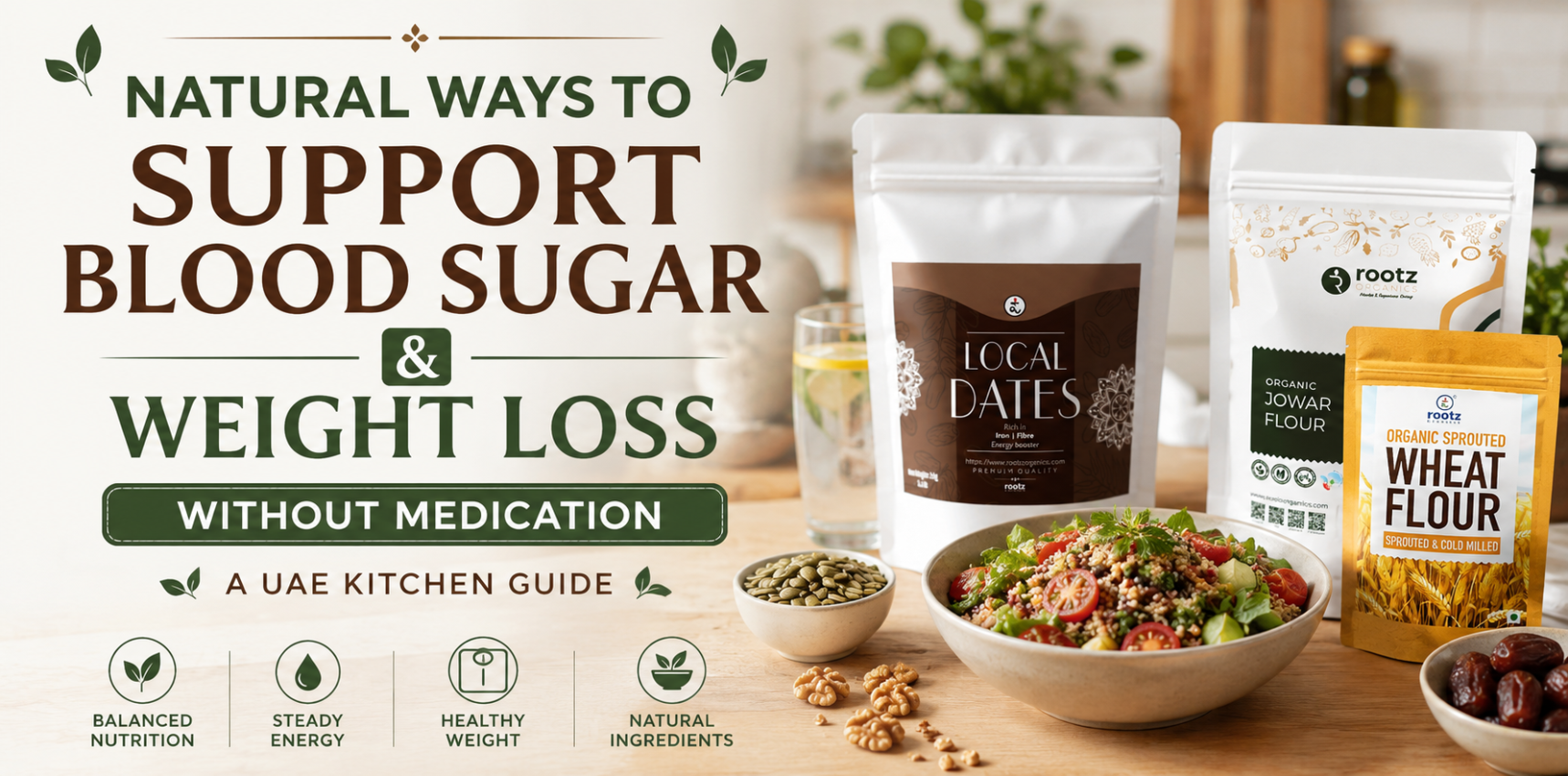
Natural Ways to Support Blood Sugar & Weight Loss Without Medication — A UAE Kitchen Guide
Blood sugar swings and stubborn weight gain are two of the most common complaints heard in UAE clinics today, and the two problems are closely linked. A balanced diet for blood sugar does more than steady glucose readings; it also reduces the hunger spikes and fat storage that make weight loss so difficult. This guide walks through the food choices, pantry swaps, and daily habits that support both goals using ingredients already familiar to UAE kitchens.
What is a blood-sugar-friendly eating pattern? It pairs slow-digesting carbohydrates with adequate protein, fibre, and healthy fats at every meal, preventing the sharp glucose spikes and crashes that trigger cravings. Instead of cutting out food groups, it focuses on combining them correctly so energy release stays steady across the day.
Why Blood Sugar Balance Matters in the UAE
The UAE has one of the highest rates of type 2 diabetes globally, with the International Diabetes Federation placing prevalence among adults in the region well above the world average. Fast-paced lifestyles, refined-grain staples, and sugar-dense beverages are frequently cited as contributing factors. Stabilising blood sugar is not only a concern for people already diagnosed with diabetes or prediabetes; it also affects energy levels, mood, and how easily the body stores or releases fat.
When blood glucose rises quickly after a meal, the body releases a surge of insulin to bring it back down. Repeated spikes and crashes encourage fat storage, particularly around the abdomen, and leave a person hungry again within a couple of hours. Over time, this cycle makes both blood sugar control and weight management harder to achieve through willpower alone.
What a Balanced Diet for Blood Sugar Looks Like
A practical balanced diet for blood sugar is built around three principles: choosing low-glycemic carbohydrates, including protein and healthy fat at each meal, and prioritising fibre. None of these require extreme restriction; they simply change what sits on the plate alongside familiar UAE staples like rice, bread, and dates.
Low-Glycemic Carbohydrates
Not all carbohydrates behave the same way in the body. White rice, refined maida bread, and sugary cereals digest quickly and spike glucose within minutes. Millets such as bajra, jowar, and ragi, along with sprouted grains, digest more slowly because of their intact fibre and resistant starch content. Swapping even one daily meal of refined grain for a millet-based option is a measurable first step.
Protein and Healthy Fats
Protein and fat slow gastric emptying, which softens the glucose curve after eating. A handful of nuts, a spoon of cold-pressed oil, a boiled egg, or a serving of lentils alongside a carbohydrate-heavy dish keeps energy release gradual. This is also why pairing dates with nuts, rather than eating dates alone, is a traditional practice worth keeping.
Fibre-Rich Foods
Soluble fibre slows sugar absorption in the gut and feeds beneficial bacteria that influence metabolic health. Vegetables, whole legumes, psyllium husk, and fibre-forward seeds are some of the most efficient ways to add this without changing meal structure dramatically.
Kitchen Staples That Help Regulate Blood Sugar Naturally
Several ingredients already common in UAE pantries do double duty for glucose control and satiety when used consistently rather than occasionally.
- Millets and low-GI flours replace refined wheat in rotis, breads, and batters without sacrificing texture once the cook adjusts hydration levels.
- Seeds like flax, chia, and sunflower add fibre, plant protein, and minerals; a spoonful of organic sunflower seeds stirred into breakfast oats or salads slows digestion meaningfully.
- Dry fruits and nuts in controlled portions provide magnesium and healthy fat, both linked to improved insulin sensitivity; a small daily serving of organic dry fruits works better than sugary snacking.
- Dates eaten with fat or protein remain a good energy source in moderation; pairing two or three organic dates with a few almonds prevents the sugar spike that eating dates alone can cause.
- Gluten-free and ancient grain flours such as sorghum, buckwheat, and khapli offer a lower glycemic load than standard maida; stocking a rotation of gluten free flours makes home baking friendlier to blood sugar.
Weight Loss Without Medication: The Food-First Approach
Sustainable weight loss without medication relies on the same glucose-stability principle rather than calorie deprivation alone. When blood sugar stays level, hunger hormones like ghrelin stay more predictable, which naturally reduces snacking and overeating. This is why many people who switch to a fibre-and-protein-forward eating pattern report easier portion control within a few weeks, even before any noticeable change on the scale.
Three habits reinforce this food-first approach:
- Eat protein or fat before or alongside carbohydrates rather than on an empty stomach.
- Choose whole or sprouted grains over refined ones at least once daily.
- Build meals around vegetables and legumes first, then add grains as a smaller portion of the plate.
Simple Pantry Swaps for UAE Kitchens
Small, repeatable swaps compound over weeks. The table below compares common choices with lower-glycemic alternatives that fit easily into existing recipes.
Instead of | Try | Why it helps |
White rice | Sprouted brown rice or millet rice | Higher fibre slows glucose release |
Refined wheat roti | Bajra or jowar roti | Lower glycemic index, more minerals |
Sugary breakfast cereal | Millet flakes with seeds | Adds protein and fibre, fewer added sugars |
Refined sugar in tea or baking | Small amounts of jaggery or dates with fat | Slower absorption when paired correctly |
Fried snacks | Roasted nuts or seed mixes | Healthy fat supports satiety, not just taste |
Lifestyle Habits That Support Stable Blood Sugar
Diet alone is not the whole picture. In Ayurvedic tradition, and increasingly in modern metabolic research, movement after meals, sleep quality, and hydration all influence how efficiently the body handles glucose. A short walk of ten to fifteen minutes after a main meal has been shown to blunt post-meal glucose spikes almost as effectively as some medications in mild cases. Staying hydrated supports kidney function in clearing excess glucose, and poor sleep is independently linked to reduced insulin sensitivity the following day.
Expert insight: traditional Ayurvedic kitchens have long paired sprouted grains and seasonal produce with warm spices like cinnamon and fenugreek, both of which have modest evidence for supporting glucose metabolism. This is not a substitute for medical care, but it reflects a food culture built around balance rather than restriction, something UAE households with mixed South Asian and Gulf culinary roots can draw on naturally.
Building a Daily Plate: A Practical Framework
A simple way to apply all of the above without counting calories is to divide the plate at each main meal:
- Half the plate: non-starchy vegetables
- A quarter of the plate: protein such as lentils, eggs, paneer, or fish
- A quarter of the plate: a low-GI carbohydrate such as millet or sprouted grain
- A small serving of healthy fat, such as a few nuts or a drizzle of cold-pressed oil
This structure naturally limits refined carbohydrate portions without requiring the person to track macros or restrict specific foods entirely, which makes it easier to sustain over months rather than weeks.
Sourcing Quality Ingredients Matters
The glycemic benefit of whole grains and seeds depends partly on how minimally processed they are. Highly refined "whole grain" products can behave closer to white flour in the bloodstream. Choosing products without added sugars, bleaching agents, or preservatives, and buying healthy foods online from a source that discloses sourcing and processing, helps ensure the fibre and nutrient content that make these swaps effective in the first place. Seasonal, minimally handled organic fruits online are also a better fit for blood sugar goals than juices or dried, sugar-coated versions of the same produce.
Quick Summary
A blood-sugar-friendly, balanced way of eating pairs low-glycemic carbohydrates, adequate protein, healthy fats, and fibre at every meal to prevent glucose spikes that drive fat storage and hunger. UAE kitchens already have the tools for this shift in millets, sprouted grains, seeds, and dates, provided portions and pairings are managed thoughtfully. Combined with short post-meal walks, good sleep, and hydration, these food choices support both stable blood sugar and gradual, sustainable weight loss without relying on medication.
Frequently Asked Questions
What foods help balance blood sugar naturally?
Fibre-rich vegetables, whole legumes, millets, seeds, and moderate portions of nuts help balance blood sugar naturally. These foods slow digestion and glucose absorption when eaten alongside a protein or healthy fat source, rather than on their own.
Can I lose weight without medication just by changing my diet?
Yes, many people lose weight without medication by stabilising blood sugar through balanced meals, since steady glucose levels reduce excess hunger and cravings. Consistency over weeks, combined with movement and sleep, tends to matter more than short-term restriction.
Are dates safe to eat if I am watching my blood sugar?
Dates can fit into a blood-sugar-friendly diet when eaten in small portions and paired with a protein or fat source, such as a few almonds. Eating several dates alone on an empty stomach is more likely to cause a rapid glucose spike.
Is millet better than rice for blood sugar control?
Millets generally have a lower glycemic index than white rice because of their higher fibre and resistant starch content. Replacing white rice with millet rice or rotis at one or two meals a day is a practical way to reduce overall glycemic load.
How quickly can dietary changes affect blood sugar levels?
Some effects, like reduced post-meal spikes, can appear within days of adopting fibre- and protein-forward meals. Sustained improvements in fasting blood sugar and weight typically take several weeks of consistent habits and should be tracked alongside a healthcare provider's guidance.
-
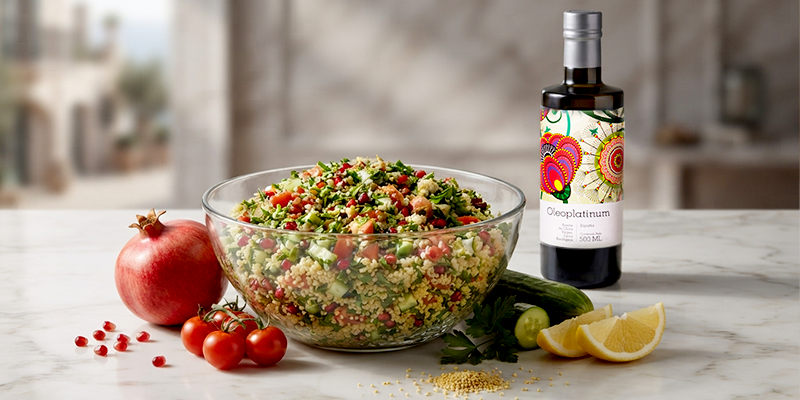
Foxtail Millet Tabbouleh: The Spain-Inspired, Gluten-Free Salad I Fell in Love With
September 25th, 2026 -
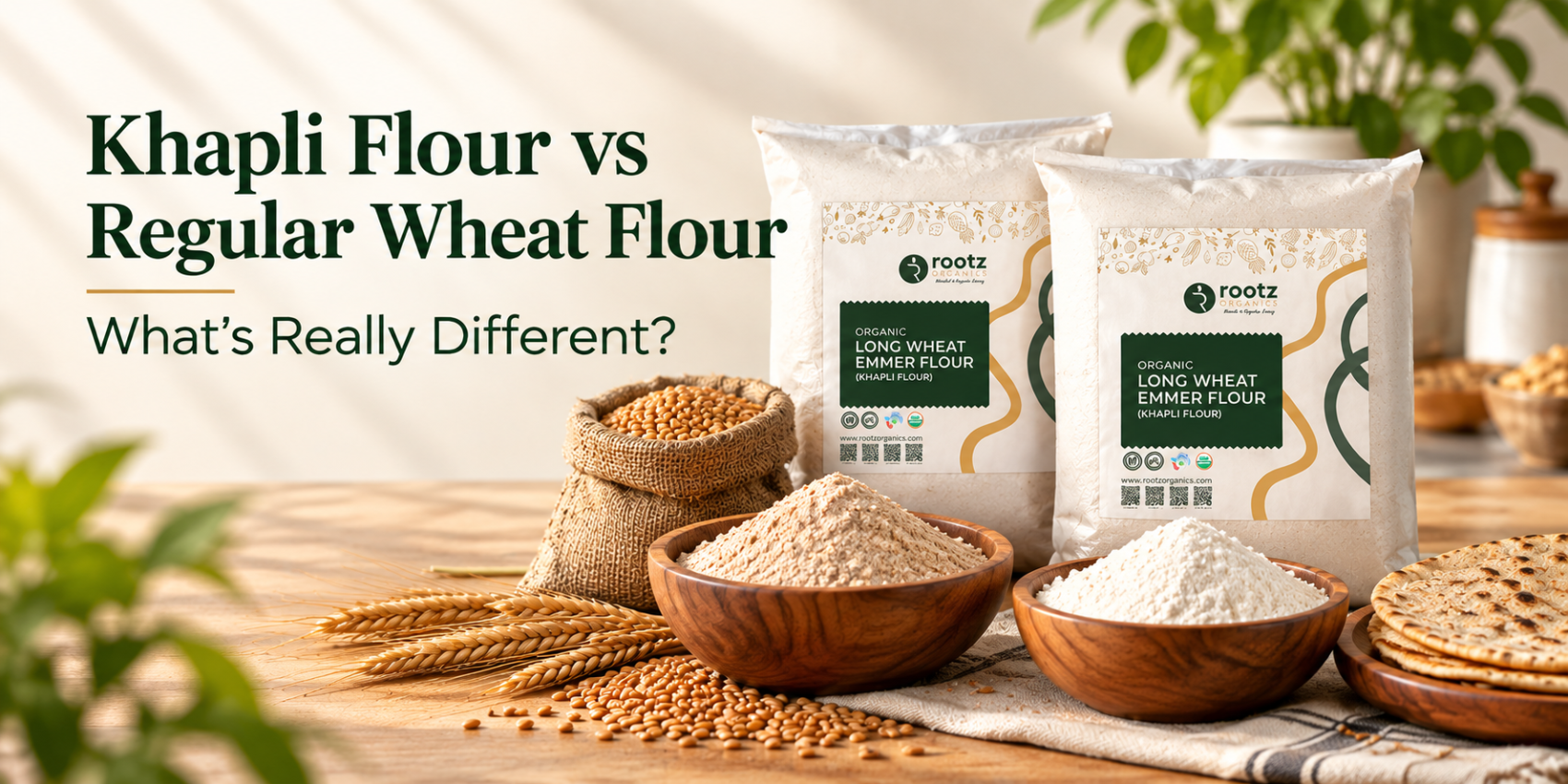
Khapli Flour vs Regular Wheat Flour: What’s Really Different?
September 23rd, 2026 -
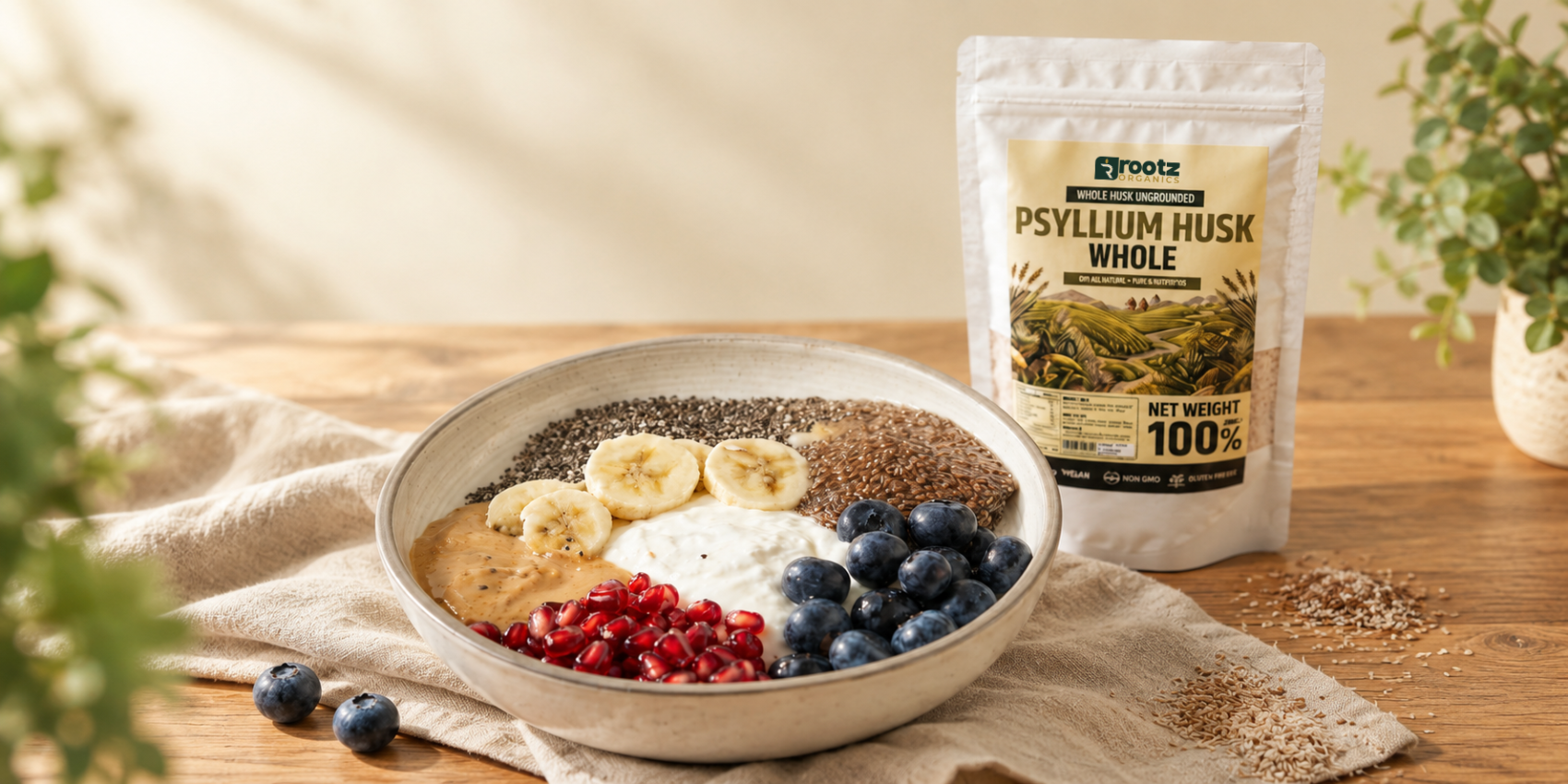
Psyllium Husk and Whole Seeds: The Simple Fibre Upgrade Every UAE Kitchen Needs
September 11th, 2026 -
 August 14th, 2026