
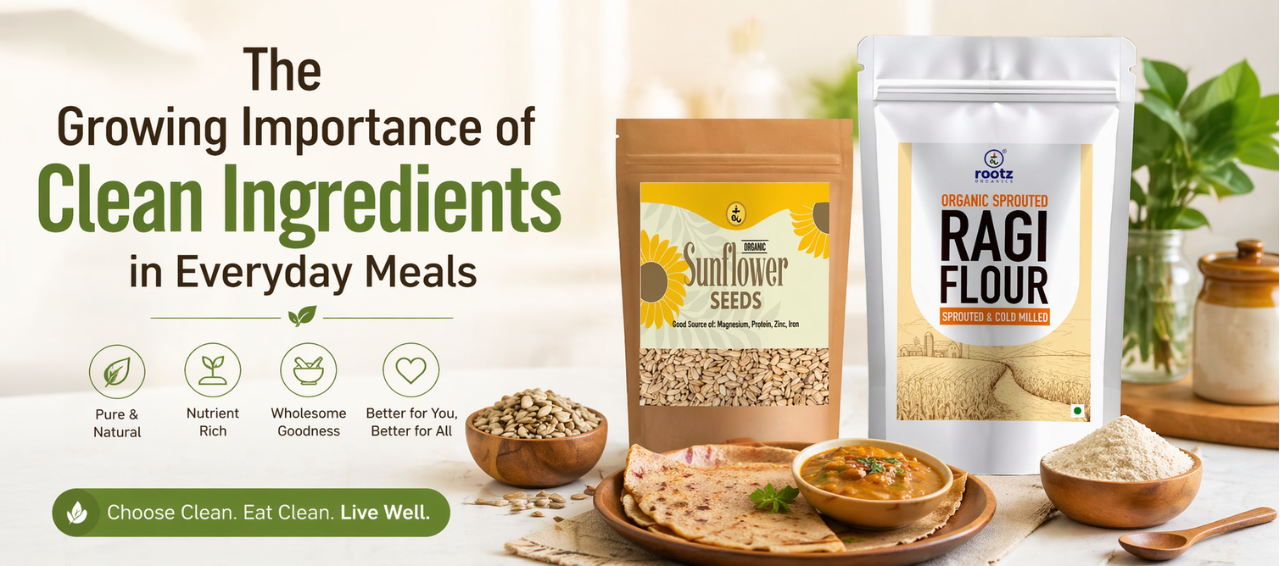
The Growing Importance of Clean Ingredients in Everyday Meals
In today’s fast-paced urban lifestyle, especially across the UAE, food choices have evolved beyond taste and convenience. Consumers are now actively questioning what goes into their meals, how ingredients are sourced, and the long-term impact of food on health and well-being. This shift has brought Clean Ingredients in Everyday Meals into the spotlight, making it a central focus for families, professionals, and health-conscious individuals alike.
But what exactly are clean ingredients, and why are they becoming so important in daily nutrition? This blog explores the growing awareness, benefits, and practical ways to incorporate cleaner food choices into everyday living.
What Do Clean Ingredients Really Mean?
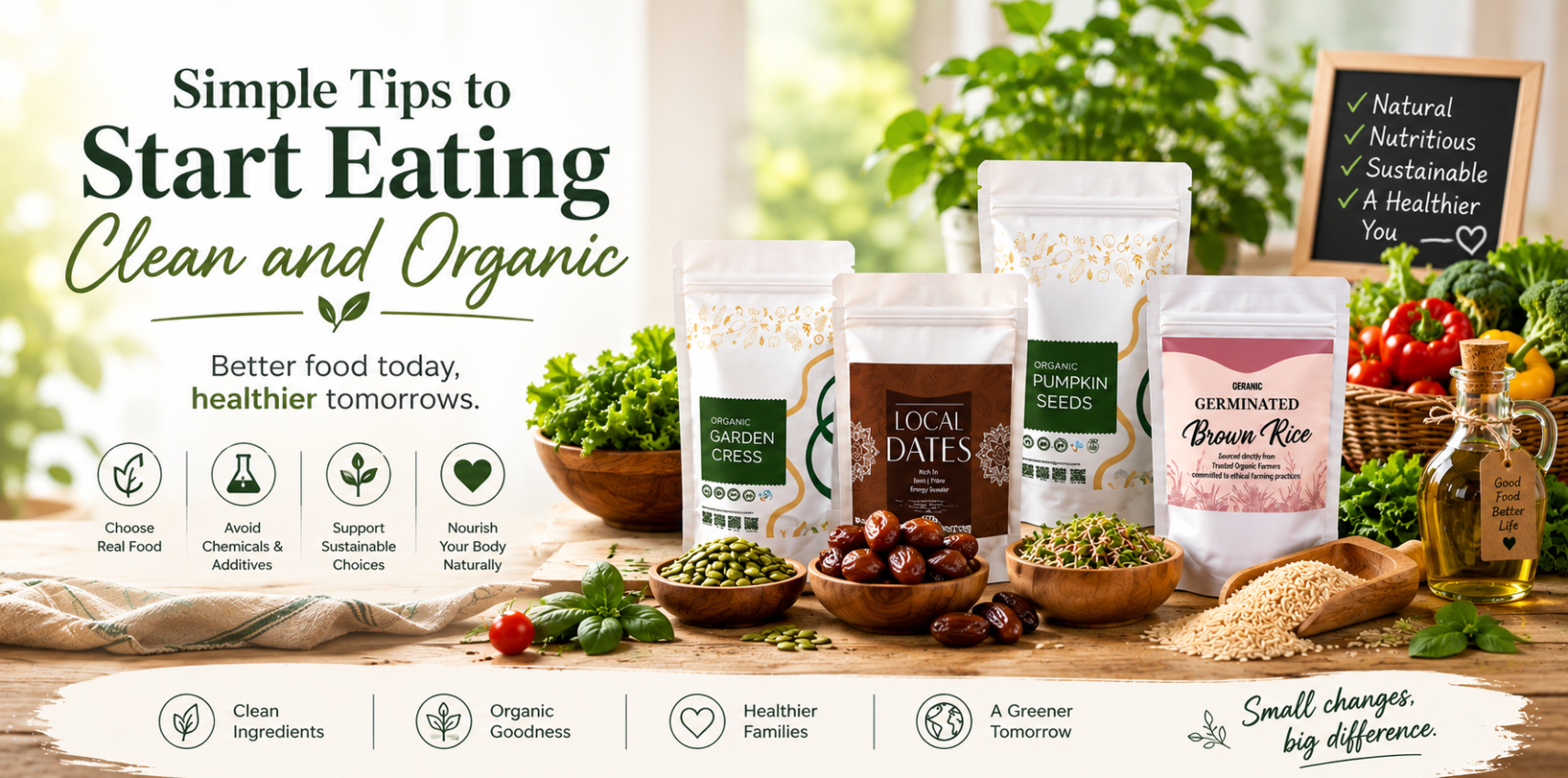
Clean ingredients refer to food components that are minimally processed, free from artificial additives, preservatives, synthetic chemicals, and unnecessary fillers. They are simple, recognizable, and often closer to their natural form.
In practical terms, this means:
- No artificial colors or flavors
- No chemical preservatives
- No refined or hidden sugars
- No synthetic pesticides or fertilizers
- Minimal processing to retain natural nutrients
This approach focuses on transparency—where consumers can easily understand what they are eating without needing to decode complex ingredient lists.
Why Are Consumers in the UAE Prioritizing Ingredient Quality?
The UAE has witnessed a significant shift in food awareness over the past decade. With increasing exposure to global wellness trends and rising health concerns, people are becoming more mindful of their dietary habits.
1. Rising Lifestyle-Related Health Issues
Conditions like obesity, diabetes, and digestive disorders are becoming more common. Many of these issues are linked to highly processed foods filled with additives and preservatives. Clean eating helps reduce these risks by focusing on natural, nutrient-dense foods.
2. Increased Awareness Through Digital Platforms
With easy access to information, consumers are now better educated about food labels, ingredient sourcing, and long-term health impacts.
3. Demand for Transparency
Modern consumers want to know where their food comes from and how it is made. Clean-label products meet this demand by offering honesty and simplicity.
How Clean Ingredients Impact Your Daily Health
Switching to cleaner ingredients is not just a trend—it has measurable benefits for overall health and well-being.
Improved Digestion
Highly processed foods often contain additives that disrupt gut health. Clean foods support better digestion and nutrient absorption.
Better Energy Levels
Natural foods provide sustained energy without the spikes and crashes caused by refined sugars and artificial enhancers.
Stronger Immunity
Whole foods rich in vitamins, minerals, and antioxidants help strengthen the immune system, which is particularly important in urban environments.
Reduced Toxic Load
Minimizing exposure to chemicals and preservatives reduces the burden on the liver and other detoxifying organs.
Understanding Food Labels: What Should You Look For?
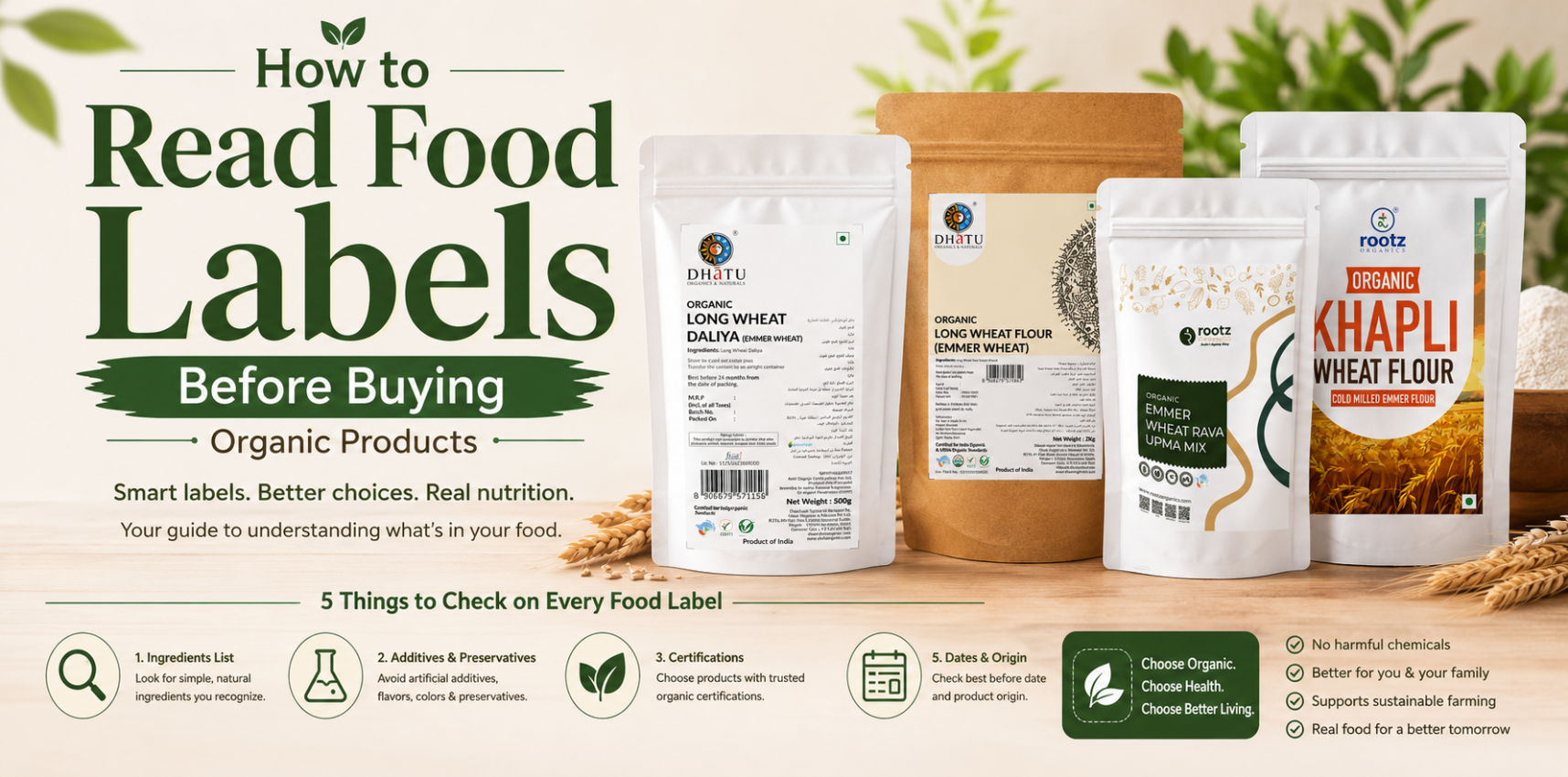
Reading food labels is one of the most effective ways to ensure you are choosing clean ingredients.
Short Ingredient Lists
Fewer ingredients usually indicate less processing and fewer additives.
Recognizable Names
If you cannot pronounce or recognize an ingredient, it is worth questioning its purpose.
No Hidden Sugars
Watch out for terms like high-fructose corn syrup, maltose, and dextrose.
Absence of Artificial Additives
Avoid products containing artificial preservatives, colors, and flavor enhancers.
Clean Eating vs. Processed Convenience: Finding Balance
One of the biggest challenges in modern life is balancing convenience with health. While processed foods are easily accessible, they often compromise on ingredient quality.
The key is not to eliminate convenience but to choose smarter alternatives. Today, options like Organic Food Online platforms make it easier to access clean, high-quality ingredients without compromising on time.
Role of Organic and Natural Foods in Clean Eating
Organic foods play a crucial role in maintaining ingredient purity. They are grown without synthetic pesticides, chemical fertilizers, or genetically modified organisms.
Incorporating Organic Food Products into daily meals ensures that you are consuming food in its most natural and nutrient-rich form.
Example: Everyday Pantry Choices
Simple switches can make a significant difference:
- Using cold-pressed oils instead of refined oils
- Choosing whole grains over refined flour
- Including seeds and nuts like Organic Sunflower Seeds for added nutrition
Why Clean Ingredients Matter for Families
Families, especially those with children, are increasingly focusing on food quality. Children are more sensitive to chemicals and additives, making clean eating even more important.
For Growing Children Clean ingredients support healthy growth, brain development, and immunity.
For Working Professionals Balanced meals with clean ingredients help maintain energy and productivity throughout the day.
For Long-Term Wellness Preventive health starts with everyday food choices.
How to Transition to Cleaner Eating Habits
Adopting clean eating does not require a complete lifestyle overhaul. Small, consistent changes can lead to long-term benefits.
Start with Your Kitchen Replace processed items with whole, natural alternatives.
Plan Your Meals Meal planning reduces dependency on last-minute unhealthy choices.
Choose Trusted Sources Reliable platforms offering Healthy Foods Online ensure quality and authenticity.
Shop Smart Using Organic Grocery Online services can simplify access to clean ingredients.
The Future of Food: Clean, Conscious, and Sustainable
The shift toward clean ingredients is not temporary—it represents the future of food consumption. As more consumers demand transparency, brands are being pushed to adopt better sourcing, cleaner processing methods, and sustainable practices.
This transformation aligns with global movements toward mindful eating, environmental responsibility, and holistic wellness.
Why Clean Ingredients in Everyday Meals Are No Longer Optional
In today’s environment, where food quality directly impacts health, choosing Clean Ingredients in Everyday Meals is becoming a necessity rather than a luxury. It reflects a deeper awareness of how food influences physical health, mental clarity, and overall quality of life.
By making informed choices, individuals and families can create a foundation for long-term wellness, resilience, and sustainability.
Conclusion
The growing importance of clean ingredients highlights a fundamental shift in how people approach food. It is no longer just about eating—it is about nourishing the body with intention and awareness.
As access to better food options continues to expand in the UAE, adopting clean eating habits is becoming more practical and achievable. Whether through mindful label reading, choosing organic alternatives, or simplifying daily meals, every step toward cleaner ingredients contributes to a healthier future.
Ultimately, clean eating is not about restriction—it is about making better, more informed choices that support long-term well-being.
Frequently Asked Questions (FAQs)
1. What are clean ingredients in simple terms?
Clean ingredients are natural, minimally processed food components that do not contain artificial additives, preservatives, or chemicals.
2. Why are clean ingredients important for daily meals?
They help improve digestion, boost immunity, and reduce exposure to harmful substances, supporting overall health.
3. How can I identify clean food products while shopping?
Look for short ingredient lists, recognizable names, and products free from artificial additives or hidden sugars.
4. Are organic foods always considered clean?
Organic foods are generally cleaner as they avoid synthetic chemicals, but it is still important to check processing and ingredient lists.
5. Can clean eating fit into a busy lifestyle?
Yes, with proper planning and access to reliable online sources, clean eating can be both convenient and sustainable.
-
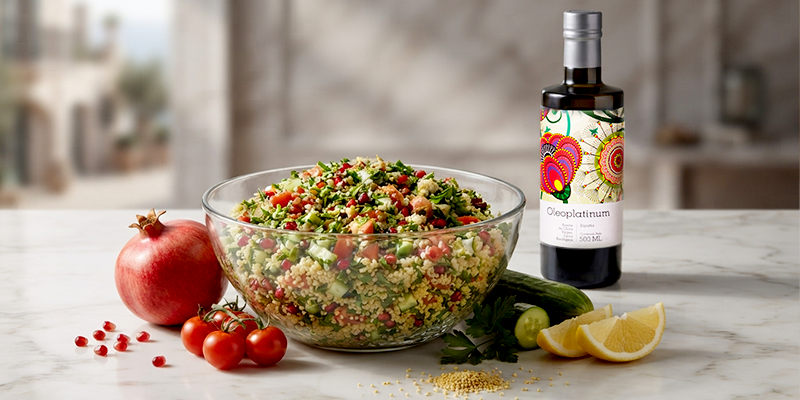
Foxtail Millet Tabbouleh: The Spain-Inspired, Gluten-Free Salad I Fell in Love With
September 25th, 2026 -
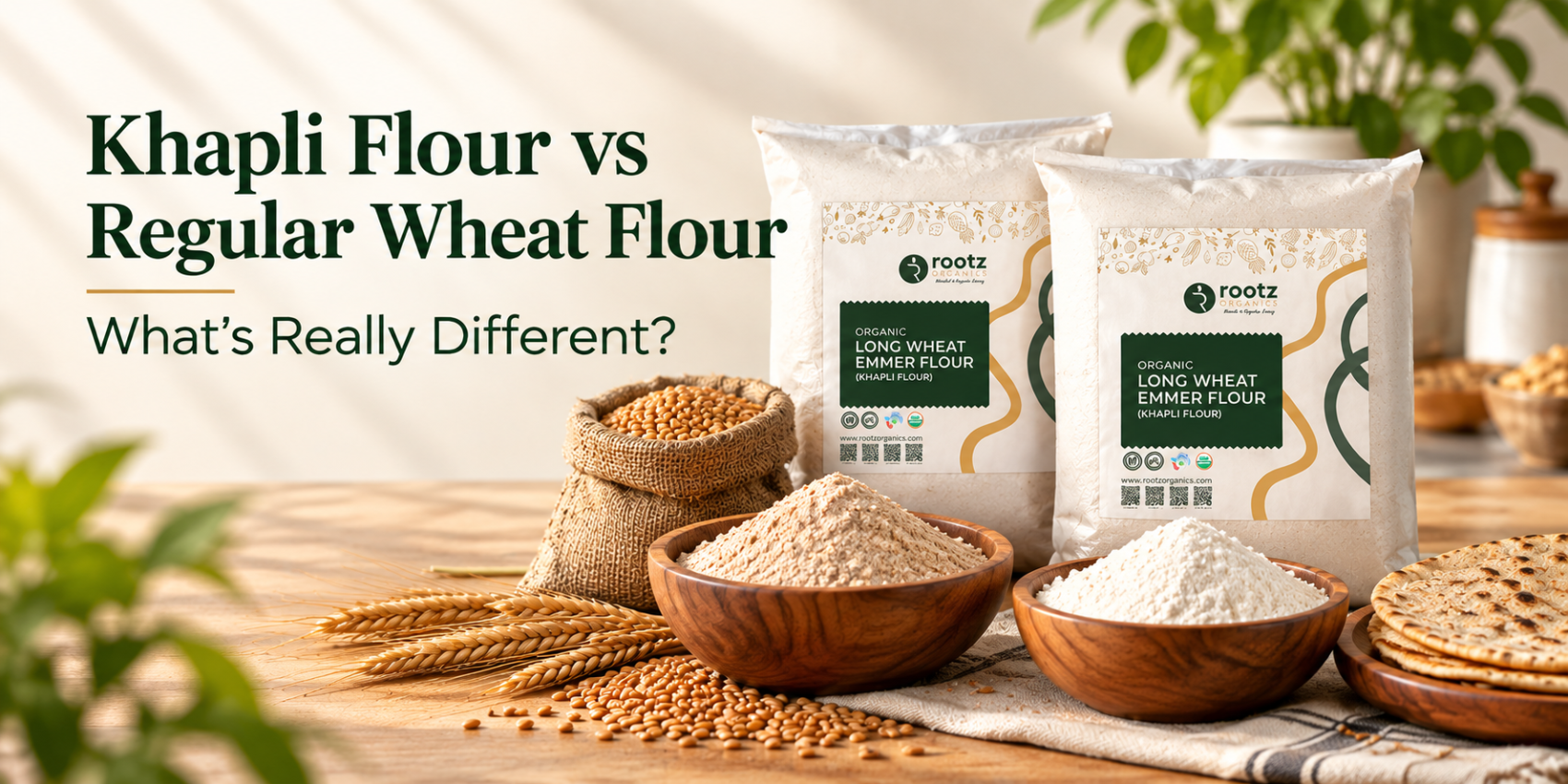
Khapli Flour vs Regular Wheat Flour: What’s Really Different?
September 23rd, 2026 -
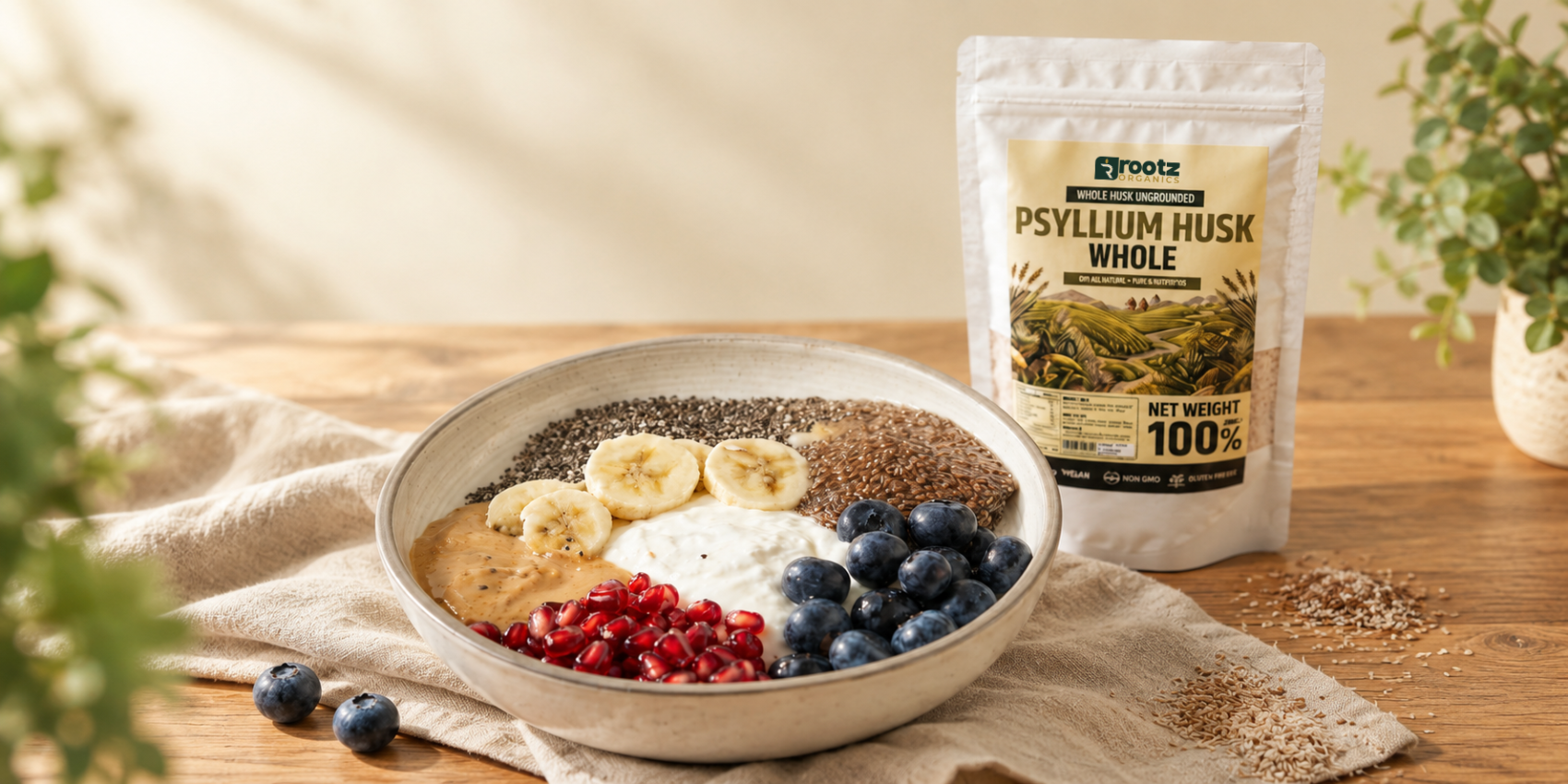
Psyllium Husk and Whole Seeds: The Simple Fibre Upgrade Every UAE Kitchen Needs
September 11th, 2026 -
 August 14th, 2026
 -
 August 14th, 2026