
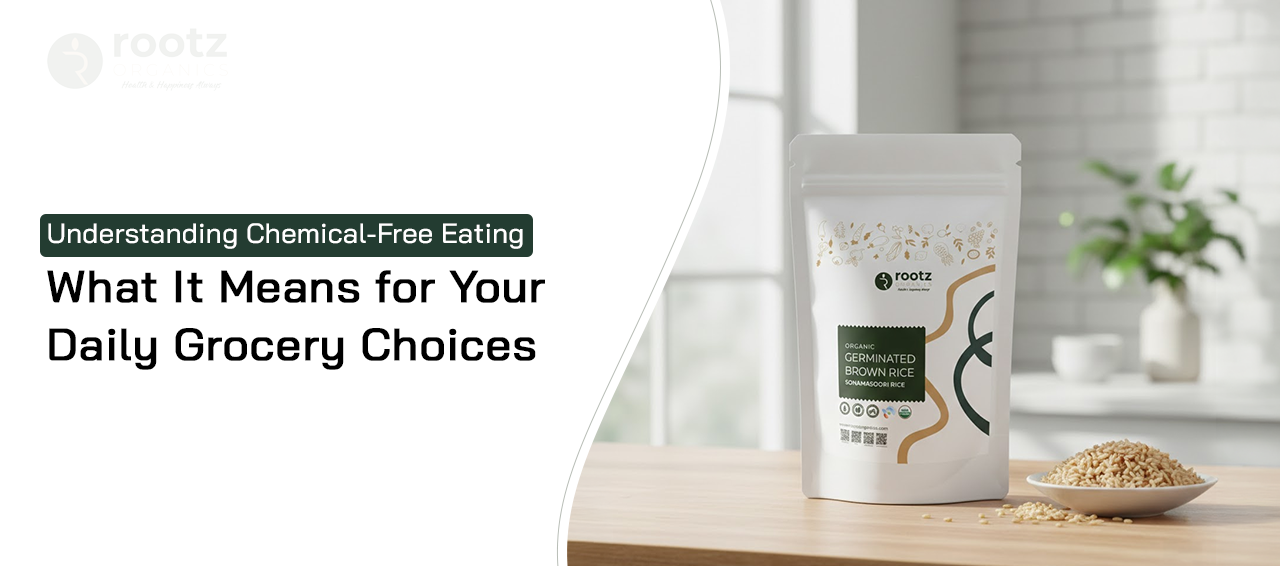
Understanding Chemical-Free Eating: What It Means for Your Daily Grocery Choices
In today’s fast-moving urban lifestyle, grocery shopping has become more than a routine chore—it’s a health decision. Across the UAE, families are reading labels more carefully, questioning ingredients, and choosing products that support long-term wellness. This shift has brought Chemical Free Eating into mainstream conversations. But what does it truly mean? Is it simply about avoiding pesticides, or does it go deeper into how food is grown, processed, packaged, and consumed?
This guide explains the concept clearly and practically, helping UAE households make informed, confident grocery choices aligned with modern health needs and traditional wisdom.
What Is Chemical Free Eating?
Chemical Free Eating refers to choosing foods that are free from synthetic pesticides, artificial preservatives, chemical additives, synthetic colors, flavor enhancers, and heavily refined processing agents.
It focuses on:
- Naturally grown ingredients
- Clean-label transparency
- Minimal processing
- No artificial additives
- No hidden stabilizers or preservatives
In simple terms, it means eating food closer to its natural state—without laboratory-made enhancements.
For UAE families balancing work, children, and wellness goals, this approach reduces long-term exposure to unnecessary chemical residues often found in conventional packaged groceries.
Why Is Chemical Free Eating Gaining Popularity in the UAE?
The UAE has witnessed a significant rise in lifestyle-related concerns such as digestive discomfort, food sensitivities, skin allergies, and metabolic imbalances. While multiple factors contribute, modern processed food plays a noticeable role.
Health-conscious consumers are now prioritizing:
- Digestive wellness
- Hormonal balance
- Immune strength
- Long-term preventive health
As awareness increases, households are turning to Healthy Foods Online platforms that prioritize transparency, ingredient quality, and authenticity.
This shift reflects a deeper understanding: food is not just fuel—it is daily preventive care.
How Chemicals Enter Everyday Groceries
Many consumers are surprised to learn how common chemical exposure is in regular grocery items. Here are typical sources:
1. Agricultural Chemicals
Conventional farming may use synthetic pesticides, herbicides, and growth regulators that leave residue on grains, fruits, and vegetables.
2. Processing Additives
Packaged foods often include:
- Artificial preservatives for shelf life
- Stabilizers for texture
- Artificial flavors
- Synthetic food coloring
3. Refining Processes
Highly refined oils, bleached flours, and chemically treated sugars lose natural nutrients while retaining chemical traces.
This is why sourcing Organic Food Online from trusted suppliers has become a practical solution for UAE residents seeking clean-label assurance.
What to Look for in Chemical-Free Grocery Choices
Choosing wisely does not require complicated knowledge. It begins with simple label awareness.
Check Ingredient Simplicity
If an ingredient list is long and filled with unrecognizable names, reconsider.
Choose Certified Organic
Organic certification reduces exposure to synthetic agricultural chemicals.
Prefer Cold-Pressed & Unrefined
Oils and grains processed without chemical solvents retain both nutrition and integrity.
Avoid Artificial Enhancers
Watch for synthetic colors, flavor enhancers, and chemical preservatives.
When grocery platforms prioritize clean sourcing, they often highlight transparency in their product descriptions and certifications.
Benefits of Chemical-Free Eating for Different UAE Consumers
For Families
Reducing artificial additives supports better digestion and energy levels in children and adults alike.
For Parents
Many UAE parents are actively switching to Organic Baby Food to minimize exposure to pesticide residues and artificial ingredients during early development.
For Fitness Enthusiasts
Clean foods help maintain metabolic balance and reduce inflammation, supporting active lifestyles.
For Working Professionals
Stable energy levels and better gut health contribute to productivity and mental clarity. The benefits extend beyond short-term wellness—they influence lifelong health patterns.
The Role of Organic Food Products in Clean Living
Switching to Organic Food Products is often the first step toward chemical-conscious living. These products are cultivated without synthetic pesticides and avoid artificial chemical preservatives during processing.
In the UAE market, clean-label grocery platforms now offer:
- Gluten-free and low-gluten grains
- Millet-based alternatives
- Cold-pressed oils
- Sprouted flours
- Vegan pantry essentials
- Fresh, small-batch baked goods
Such diversity ensures that families with specific dietary needs—gluten-free, vegan, immunity-focused, or Ayurvedic-inspired diets—can shop conveniently without compromising on purity.
Does Chemical-Free Eating Mean Expensive Living?
A common misconception is that clean eating dramatically increases grocery expenses. While certain premium products may cost slightly more due to ethical sourcing and small-batch production, the long-term value outweighs short-term pricing differences.
Consider the hidden costs of poor nutrition:
- Digestive issues
- Low immunity
- Lifestyle-related disorders
- Medical consultations
Investing in clean-label groceries is an investment in preventive healthcare. Moreover, online platforms make it easier for UAE households to compare, choose, and plan purchases efficiently.
How Rooted Traditions Support Modern Chemical-Free Eating
The concept of eating clean is not new. Traditional systems like Ayurveda have long emphasized:
- Seasonal eating
- Whole grains
- Natural fats
- Sprouted foods
- Minimal processing
Modern science now validates many of these principles. Combining ancient wisdom with modern transparency creates a balanced approach to daily nutrition. Today’s UAE consumers appreciate brands that bridge this gap—offering artisanal, thoughtfully sourced foods while maintaining contemporary convenience.
Building a Chemical-Free Grocery Basket: A Practical Guide
Here is a simple way to structure your weekly grocery list:
Grains & Flours:
Choose sprouted, millet-based, or organic whole-grain options.
Oils & Fats:
Select cold-pressed varieties instead of refined oils.
Snacks & Bakery:
Look for small-batch, preservative-free options.
Baby Essentials:
Opt for certified clean-label choices.
Daily Staples:
Prioritize transparency over brand popularity.
Over time, these small shifts reshape your family’s eating habits naturally.
Final Thoughts: Making Informed Choices Daily
Chemical Free Eating is not about perfection—it is about awareness. It means choosing foods that nourish rather than burden the body. It encourages mindful grocery decisions, label reading, and sourcing from trustworthy platforms.
For UAE families seeking a one-stop destination for organic, gluten-free, millet-based, vegan, and artisanal essentials, platforms like Rootz Organics provide thoughtfully curated options aligned with clean living values. By focusing on ingredient integrity, freshness, and transparency, your daily grocery basket becomes a powerful tool for long-term wellness.
Because in the end, health is built one meal at a time—and every grocery choice matters.
Frequently Asked Questions (FAQs)
What does “chemical-free food” mean in the UAE?
Chemical-free food refers to products made without synthetic pesticides, artificial preservatives, synthetic colors, flavor enhancers, or harmful chemical processing agents. In the UAE, this usually overlaps with certified organic, clean-label, and minimally processed grocery options.
Is chemical-free food the same as organic food?
Not always. Organic food is grown without synthetic pesticides and fertilizers under certified standards. Chemical-free eating is a broader concept that also includes avoiding artificial additives, preservatives, and heavily refined ingredients in packaged foods.
Where can I buy chemical-free or organic food online in the UAE?
Many UAE residents prefer specialized healthy food platforms and organic grocery stores that provide certification transparency, ingredient sourcing details, and clean-label assurance. Look for stores that clearly mention organic certification and minimal processing methods.
Is organic food in the UAE really pesticide-free?
Organic food is grown without synthetic pesticides, but it may still use natural pest-control methods. Certification ensures that chemical residues remain within strict safety standards and avoid harmful synthetic agricultural chemicals.
Why is organic or chemical-free food more expensive in the UAE?
Organic farming involves smaller-scale production, stricter quality controls, and certification processes. While upfront costs may be slightly higher, many families consider it a long-term investment in preventive health and reduced medical expenses.
How can I identify hidden chemicals in packaged foods?
Check the ingredient list. Avoid:
- Artificial colors (e.g., E-numbers linked to synthetic dyes)
- Artificial flavor enhancers
- Preservatives like sodium benzoate
- Hydrogenated or refined oils
Short, simple ingredient lists usually indicate cleaner products.
Are chemical-free foods better for children and babies?
Many UAE parents choose organic and clean-label foods for children to reduce exposure to pesticide residues, artificial additives, and processed sugars during crucial developmental years.
Does chemical-free eating help with digestive issues?
Many individuals report improved digestion when switching to minimally processed foods, sprouted grains, cold-pressed oils, and preservative-free products. Reducing artificial additives may support better gut balance
What are the most important items to switch to organic first?
If transitioning gradually, start with:
- Grains and flours
- Fresh fruits and vegetables
- Dairy products
- Baby food
- Cooking oils
These are commonly consumed daily and contribute significantly to overall exposure.
Is chemical-free eating practical for busy UAE families?
Yes. With the availability of healthy foods online and doorstep delivery services across the UAE, families can now conveniently access organic grains, millet-based staples, clean snacks, and preservative-free essentials without compromising time or quality.
-
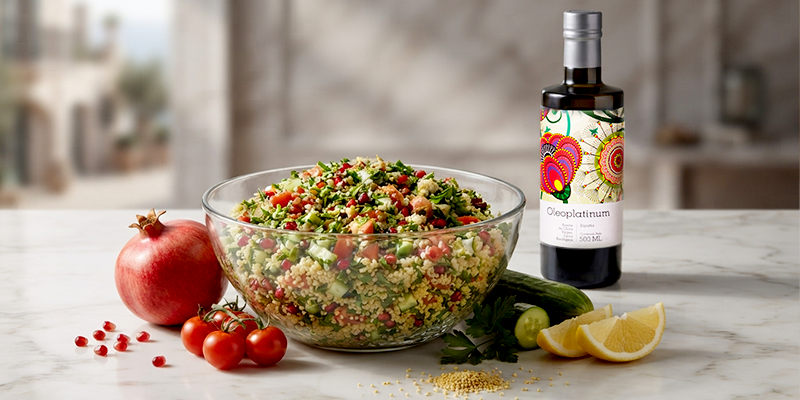
Foxtail Millet Tabbouleh: The Spain-Inspired, Gluten-Free Salad I Fell in Love With
September 25th, 2026 -
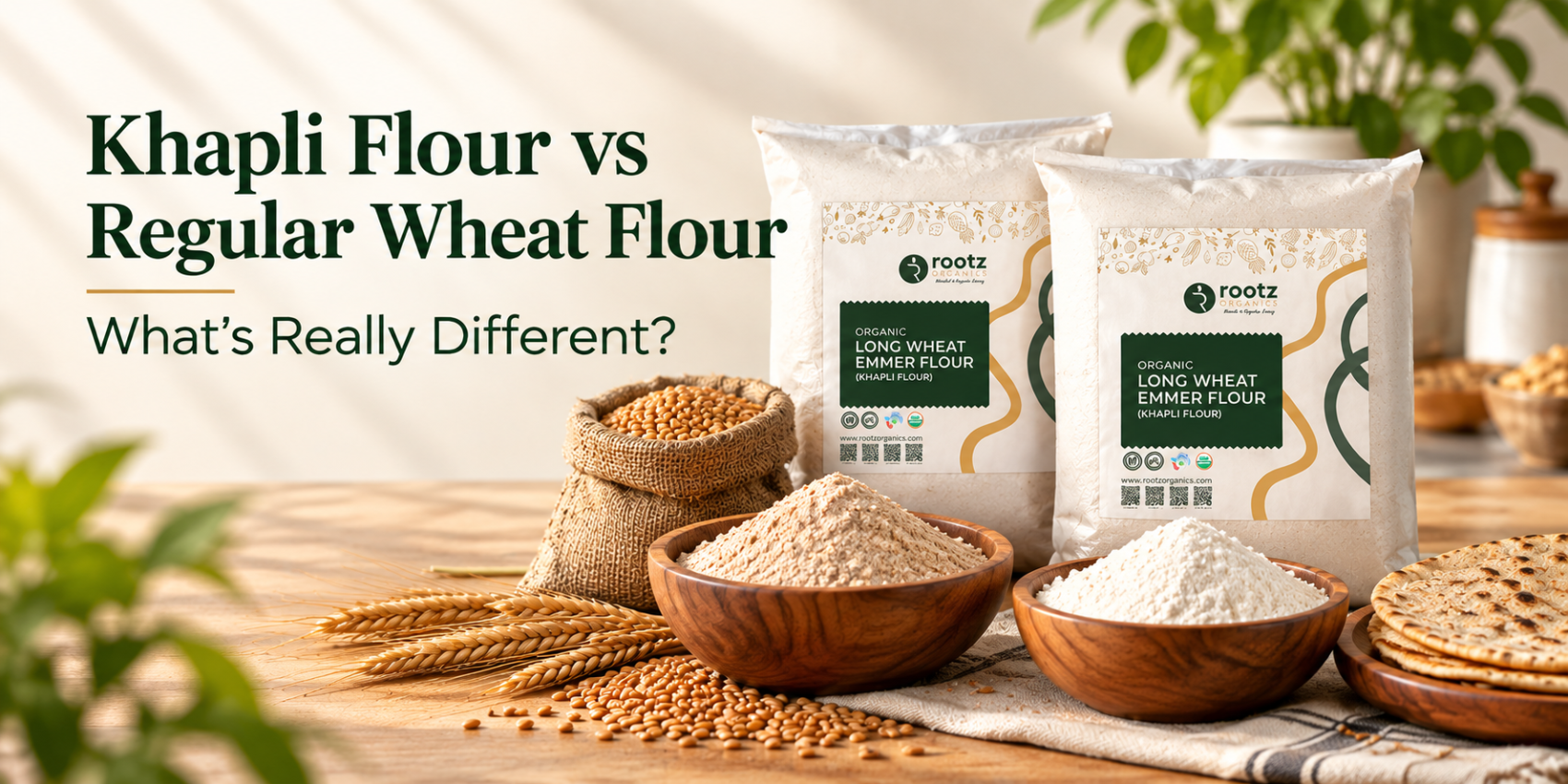
Khapli Flour vs Regular Wheat Flour: What’s Really Different?
September 23rd, 2026 -
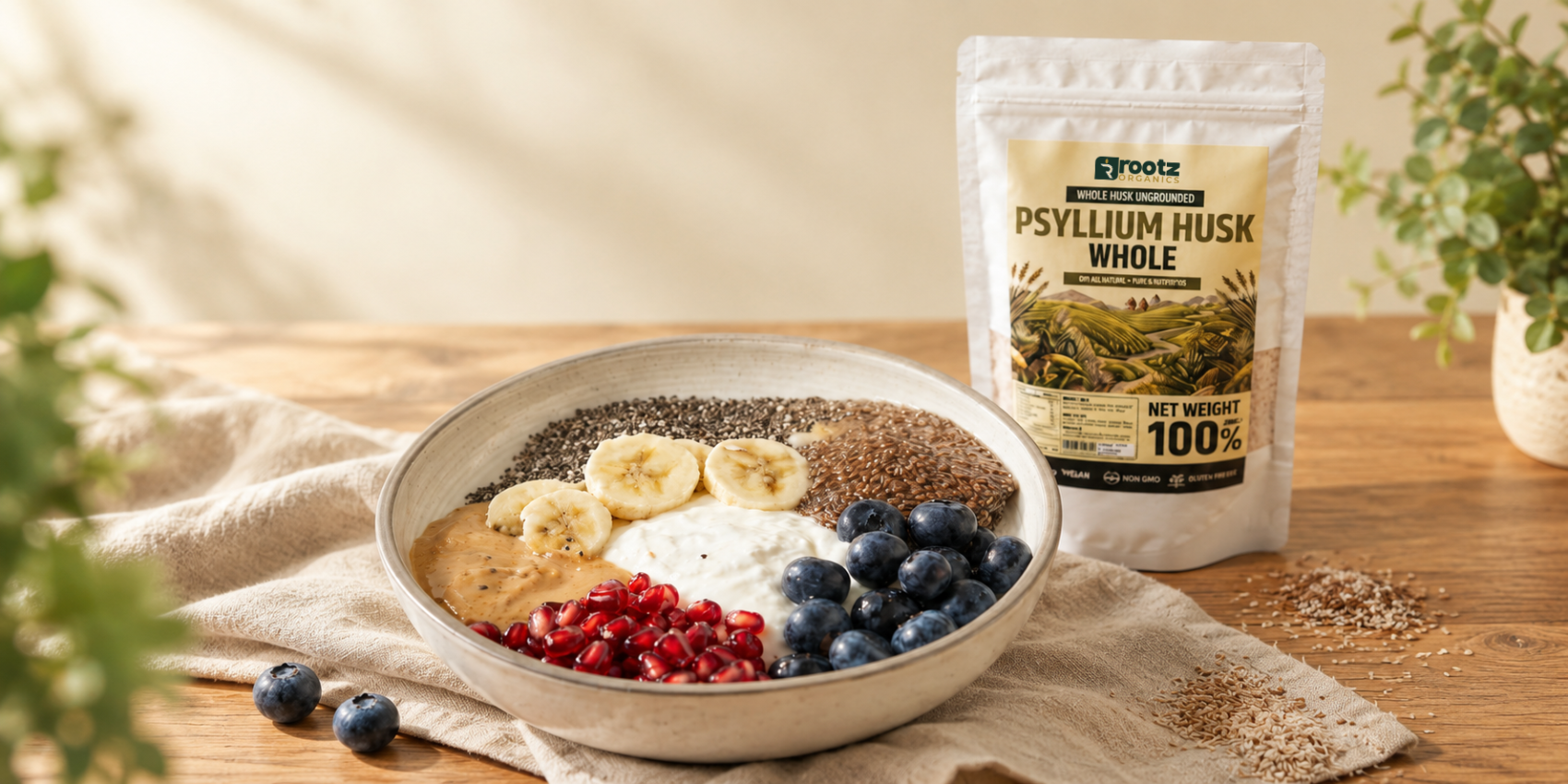
Psyllium Husk and Whole Seeds: The Simple Fibre Upgrade Every UAE Kitchen Needs
September 11th, 2026 -
 August 14th, 2026
 -
 August 14th, 2026