
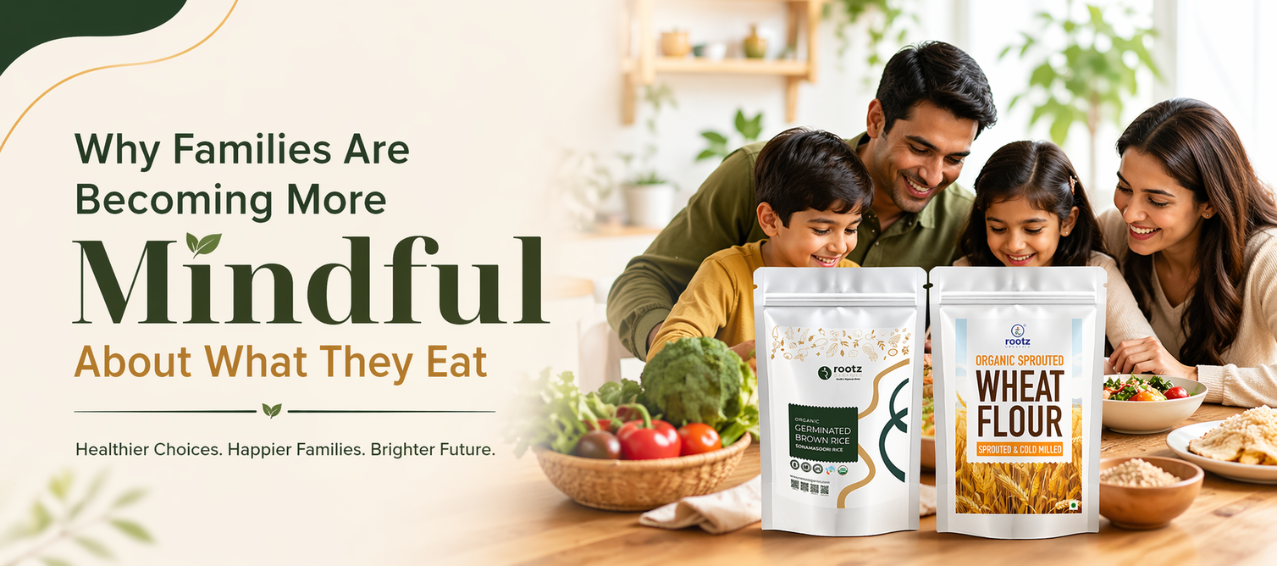
Why Families Are Becoming More Mindful About What They Eat
In recent years, a noticeable shift has taken place in how families approach food. Across the UAE, households are moving away from convenience-driven consumption and embracing a more conscious, informed, and balanced way of eating. This transformation is not driven by trends alone—it is a response to growing awareness about health, sustainability, and the long-term impact of food choices.
Today’s families are asking deeper questions: Where does our food come from? How is it made? What impact does it have on our bodies and the environment? These questions are shaping a new era of mindful consumption, where quality, transparency, and nourishment take priority over convenience.
This blog explores the key reasons behind this shift and how adopting healthy eating habits for families is becoming essential for modern living.
The Shift Towards Conscious Food Choices
Modern lifestyles in the UAE are fast-paced, with busy schedules and increasing reliance on ready-to-eat meals. However, this convenience often comes at a cost—processed ingredients, hidden additives, and reduced nutritional value.
Families are now recognizing that food is not just about filling hunger—it directly affects energy levels, immunity, mental clarity, and long-term health. As a result, there is a growing movement toward conscious eating, where every food choice is made with awareness and intention.
What Does Mindful Eating Mean for Families?
Mindful eating goes beyond calorie counting or dieting. It includes:
- Understanding food sources and ingredients
- Choosing minimally processed, natural foods
- Prioritizing freshness and quality over quantity
- Aligning food habits with lifestyle and wellness goals
This approach is helping families build stronger, more sustainable relationships with food.
Rising Health Awareness in UAE Households
The UAE has seen a significant rise in lifestyle-related health concerns such as obesity, diabetes, and digestive issues. This has led families to become more proactive about their dietary choices.
Parents, in particular, are focusing on improving daily nutrition to ensure better health outcomes for their children. This includes reducing sugar intake, avoiding artificial additives, and introducing whole, nutrient-dense foods into daily meals.
As a result, adopting healthy eating habits for families is no longer optional—it is becoming a necessity for long-term wellness.
Key Health-Driven Changes Families Are Making
- Switching from refined grains to whole grains and millets
- Reducing consumption of processed and packaged foods
- Incorporating plant-based and natural ingredients
- Choosing chemical-free and clean-label products
These changes are helping families improve digestion, boost immunity, and maintain consistent energy levels throughout the day.
The Importance of Clean-Label and Transparent Food
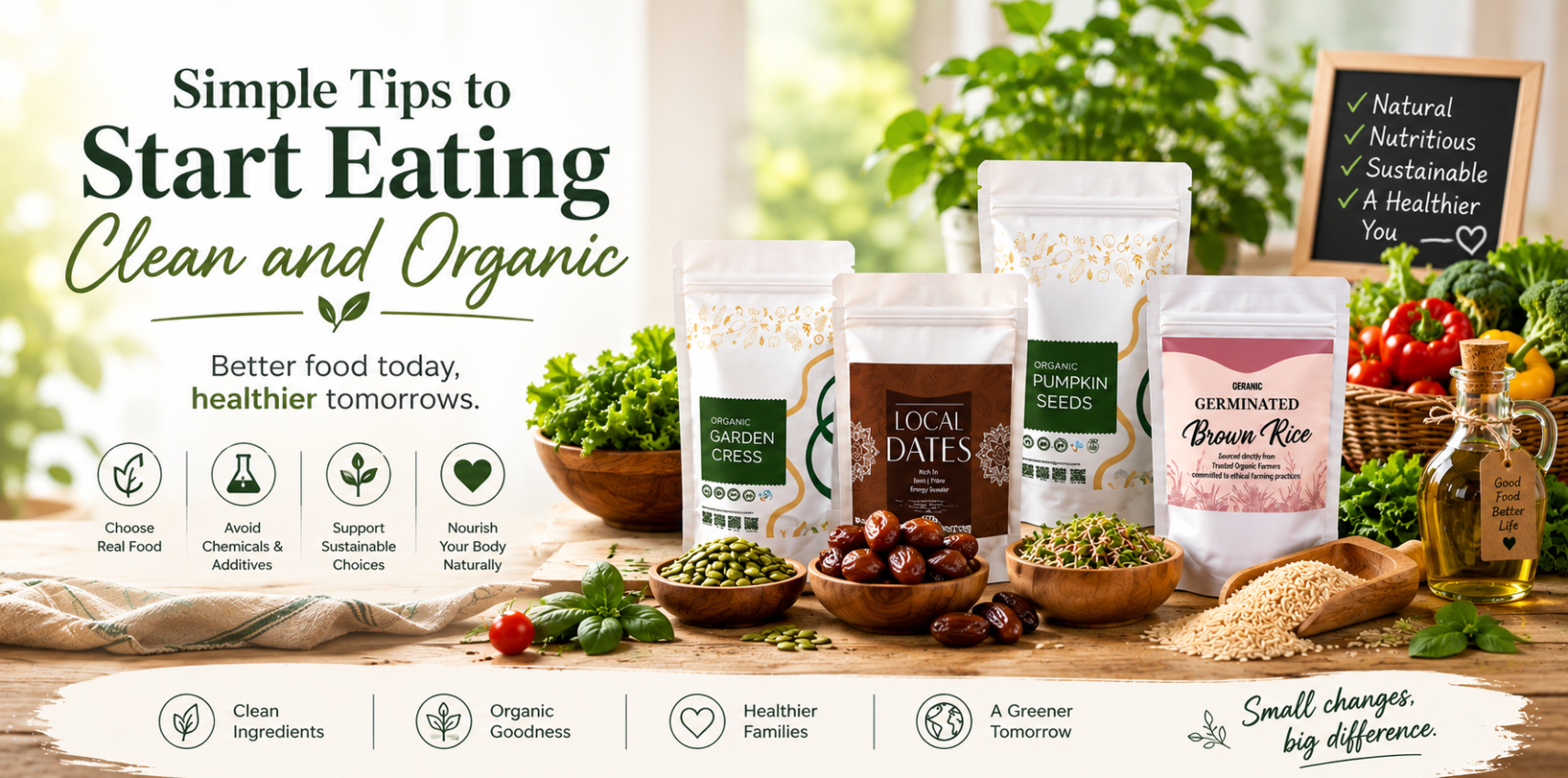
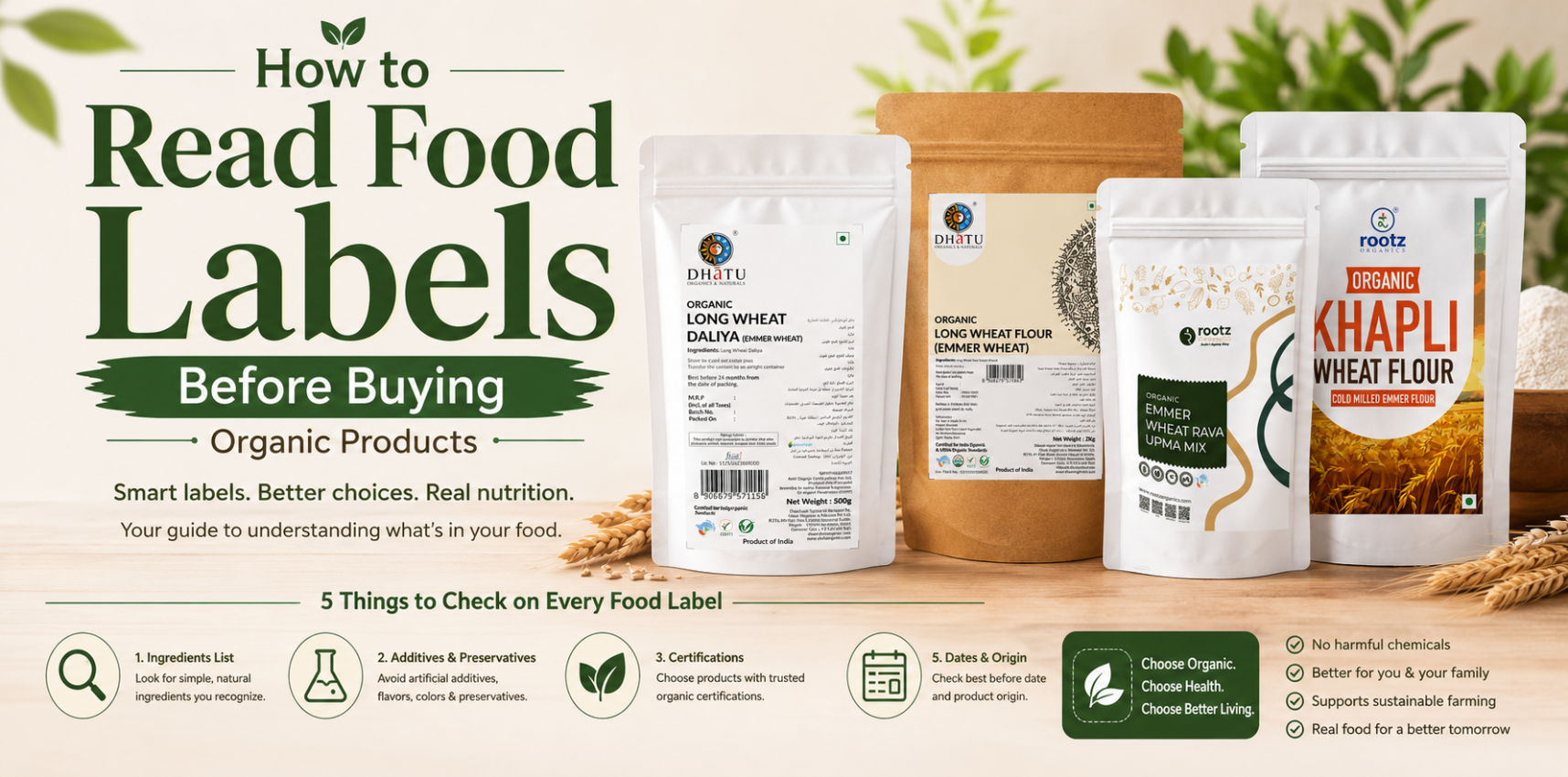
One of the biggest factors driving mindful eating is the demand for transparency. Consumers today are reading labels more carefully and avoiding products with artificial preservatives, colors, and additives.
Clean-label products—those made with simple, recognizable ingredients—are gaining popularity because they offer clarity and trust.
Families are increasingly turning to Organic Food Products that are free from harmful chemicals and processed ingredients, ensuring safer consumption for both children and adults.
Why Clean-Label Foods Matter
- They reduce exposure to synthetic chemicals
- They support better digestion and nutrient absorption
- They promote long-term health and wellness
- They align with natural and holistic living practices
This shift reflects a deeper understanding that food quality is just as important as food quantity.
Digital Convenience Meets Health Awareness
The rise of digital platforms has made it easier than ever for families to access high-quality food options. With just a few clicks, consumers can explore a wide range of healthy products tailored to their dietary needs.
Many households now prefer purchasing from Organic Food Online platforms, which offer curated selections of natural, chemical-free, and ethically sourced products.
This combination of convenience and quality is reshaping how families shop for groceries.
Benefits of Online Organic Shopping
- Access to a wider variety of clean and specialty foods
- Better transparency through detailed product descriptions
- Convenience of home delivery
- Time-saving for busy professionals and parents
Online platforms are making mindful eating more accessible and practical for modern families.
Focus on Children’s Nutrition and Early Habits
Parents today are more aware than ever about the importance of early nutrition. The food choices made during childhood play a critical role in shaping long-term health, immunity, and eating habits.
This awareness has increased the demand for safer and more nutritious options like Organic Baby Food, which ensures that infants and toddlers receive pure, chemical-free nourishment.
Why Early Nutrition Matters
- Supports healthy growth and development
- Builds strong immunity from a young age
- Establishes lifelong healthy eating patterns
- Reduces exposure to harmful additives
By focusing on clean and natural foods from the beginning, families are laying a strong foundation for future well-being.
The Return to Traditional and Natural Foods
Another key trend is the revival of traditional dietary practices. Many families are rediscovering the benefits of ancient grains, homemade meals, and time-tested cooking methods.
Ingredients like millets, cold-pressed oils, and sprouted grains are making a comeback due to their high nutritional value and compatibility with modern health needs.
This blend of traditional wisdom and modern awareness is helping families create balanced and sustainable diets.
Examples of Traditional Food Practices
- Using stone-ground flours instead of refined flour
- Incorporating fermented foods for gut health
- Choosing seasonal and locally sourced ingredients
- Cooking meals fresh rather than relying on packaged foods
These practices not only enhance nutrition but also strengthen cultural connections with food.
Sustainability and Ethical Consumption
Mindful eating is not limited to personal health—it also extends to environmental responsibility. Families are becoming more conscious about how their food choices impact the planet.
This includes supporting sustainable farming practices, reducing food waste, and choosing eco-friendly packaging.
Shopping through Organic Grocery Online platforms often aligns with these values, as many such platforms focus on ethical sourcing and environmentally responsible practices.
How Families Are Supporting Sustainability
- Reducing reliance on plastic packaging
- Choosing locally sourced and seasonal produce
- Supporting small-scale and ethical producers
- Minimizing food waste through better planning
These small changes collectively contribute to a healthier planet and a more sustainable future.
Balancing Convenience with Nutrition
One of the biggest challenges for modern families is balancing convenience with health. While ready-to-eat foods save time, they often compromise on quality.
To address this, many families are turning to Healthy Foods Online that offer ready-to-cook or minimally processed options without compromising nutritional value.
Smart Ways to Maintain Balance
- Choosing quick yet nutritious meal options
- Planning weekly meals in advance
- Keeping healthy snacks readily available
- Opting for fresh, small-batch prepared foods
This approach allows families to maintain a healthy diet even with busy schedules.
The Role of Education and Awareness
Access to information has played a major role in transforming food habits. Families today are more informed about nutrition, ingredients, and the long-term effects of dietary choices.
Social media, wellness blogs, and expert guidance are helping consumers make better decisions and avoid misleading marketing claims.
This increased awareness is empowering families to take control of their health through informed food choices.
What Families Are Learning Today
- How to read and understand food labels
- The difference between natural and processed foods
- The importance of balanced nutrition
- The impact of food on mental and physical health
Education is turning consumers into conscious decision-makers.
Building Long-Term Healthy Food Habits
Mindful eating is not about short-term changes—it is about building sustainable habits that can be maintained over time.
Families are focusing on consistency rather than perfection, making gradual improvements that lead to lasting results.
By adopting healthy eating habits for families, households can create a balanced lifestyle that supports both immediate and long-term wellness goals.
Simple Steps to Get Started
- Start by replacing one processed item with a natural alternative
- Cook more meals at home using fresh ingredients
- Involve children in meal planning and preparation
- Focus on variety and balance rather than restriction
These small steps can lead to significant improvements in overall health and well-being.
Conclusion: A Positive Shift Towards Better Living
The growing awareness around food choices marks a positive shift in how families approach health and wellness. In the UAE, this transformation is driven by a combination of health concerns, access to better options, and a desire for a more balanced lifestyle.
Mindful eating is no longer a niche concept—it is becoming a standard practice for families who want to prioritize health, sustainability, and quality of life.
As more households embrace conscious consumption, the future of food looks healthier, more transparent, and more aligned with natural living.
Frequently Asked Questions (FAQs)
1. Why are families becoming more conscious about food choices?
Families are becoming more mindful due to rising health concerns, increased awareness about ingredients, and a desire for better long-term wellness.
2. What are the benefits of adopting mindful eating habits?
Mindful eating improves digestion, boosts immunity, supports mental clarity, and helps maintain overall health.
3. How can families start eating healthier?
Families can begin by choosing whole foods, reducing processed items, reading labels, and cooking more meals at home.
4. Is organic food better for children?
Organic food reduces exposure to harmful chemicals and provides cleaner nutrition, making it a safer option for children.
5. How does online grocery shopping support healthy eating?
Online platforms provide easy access to a variety of natural and clean-label products, making it convenient for families to maintain a healthy diet.
-
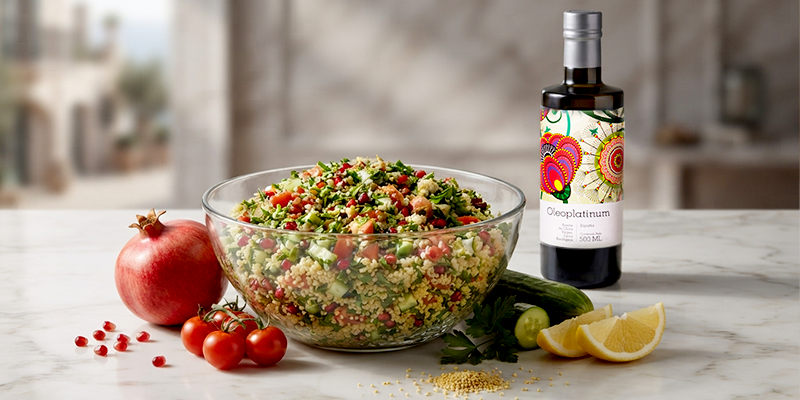
Foxtail Millet Tabbouleh: The Spain-Inspired, Gluten-Free Salad I Fell in Love With
September 25th, 2026 -
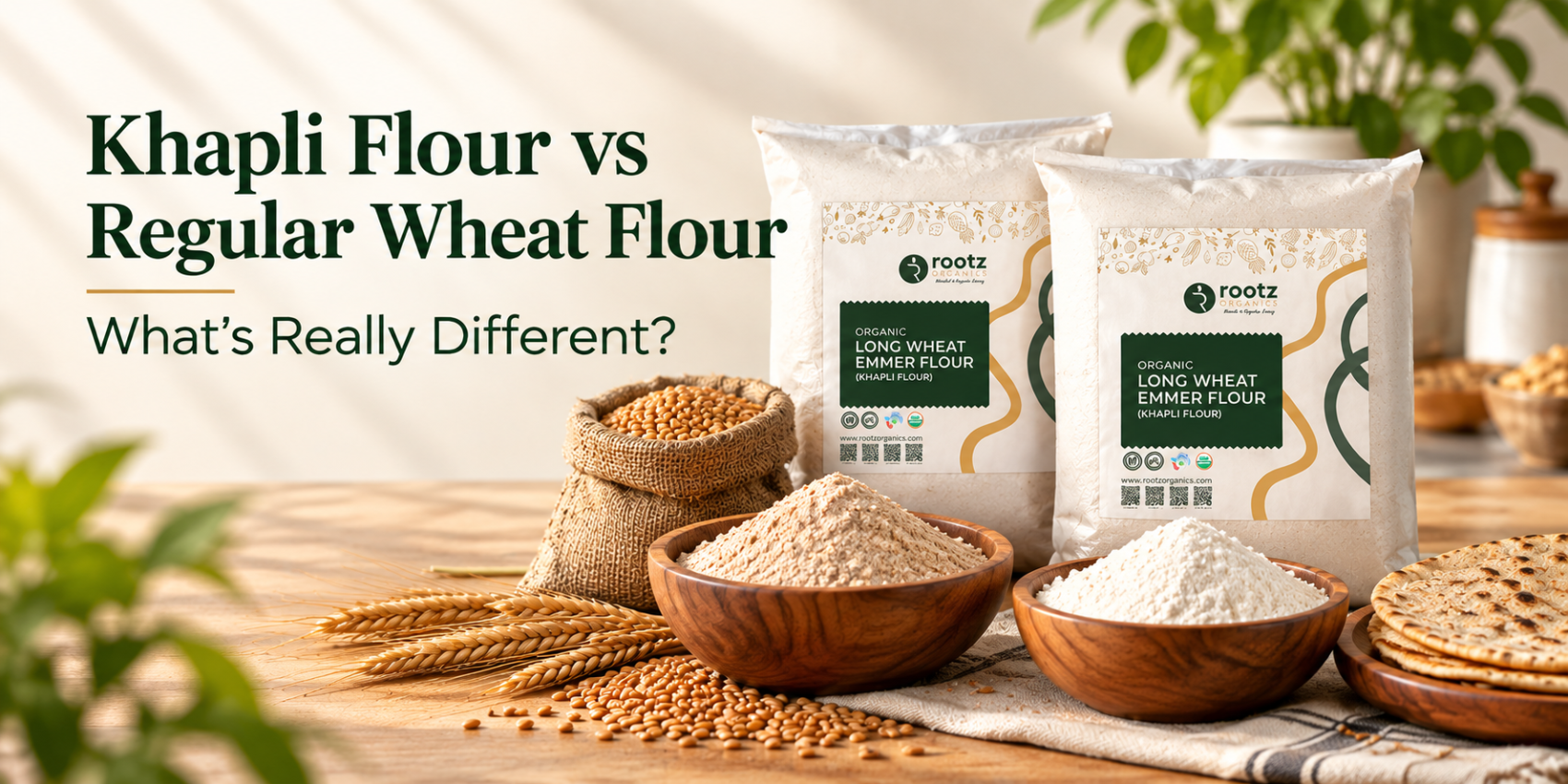
Khapli Flour vs Regular Wheat Flour: What’s Really Different?
September 23rd, 2026 -
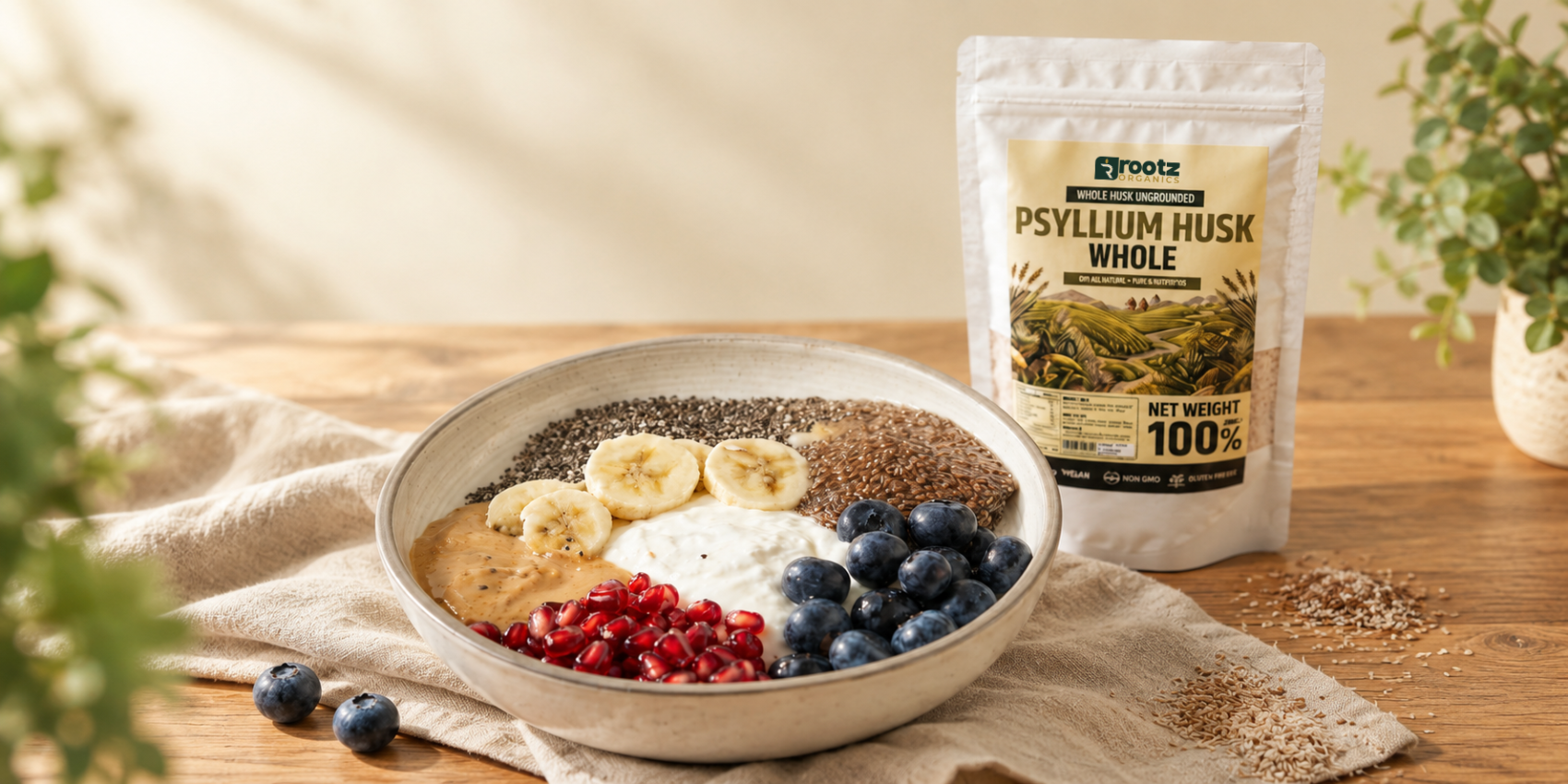
Psyllium Husk and Whole Seeds: The Simple Fibre Upgrade Every UAE Kitchen Needs
September 11th, 2026 -
 August 14th, 2026
 -
 August 14th, 2026