
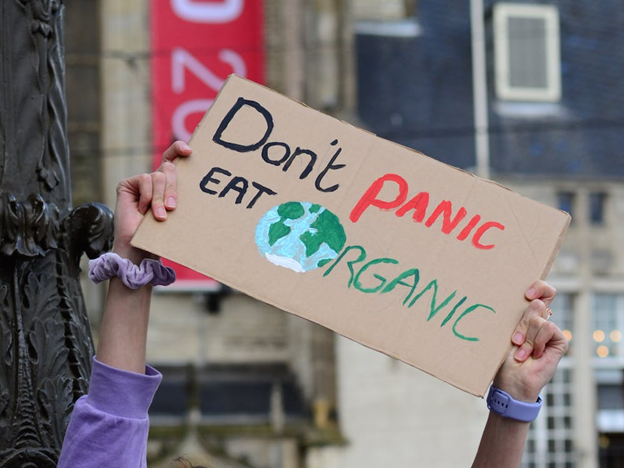
Small Investments, Bigger Leaps: Driving a Sustainable Future
In today’s world, sustainability isn’t just a buzzword…it’s an urgent necessity. Climate change, resource scarcity, and environmental degradation impact our daily lives. Many people feel powerless, thinking that their individual actions are too small to make a difference. But the reality is different: small, deliberate investments in sustainable practices can collectively create a large impact. By making informed choices and consistent efforts, anyone can contribute to a greener, more sustainable future.
The Problem: Feeling Powerless Against Environmental Challenges
Environmental challenges are complex: rising temperatures, water stress, deforestation, and increased waste affect communities worldwide. The perception that individual actions don’t matter can lead to inaction, delaying the changes we need most.
The key is to recognize that even minor, consistent actions contribute to broader change. It’s not about being perfect…it’s about being persistent and mindful.

Why Small Investments Make a Big Difference
Small, consistent actions…whether in habits, time, or money can create momentum that leads to meaningful environmental change.
Some examples include:
- Energy Efficiency: Using energy-efficient appliances reduces household electricity use, and scaled across communities, this creates measurable reductions in energy demand.
- Sustainable Food Choices: Choosing organic, locally grown, or seasonal produce reduces carbon emissions and supports eco-friendly farming practices.
- Smart Eco-Investments: Even small financial commitments to green initiatives or sustainable products accelerate environmental benefits.
For instance, Rootz Organics encourages sustainable consumption through eco-conscious products like organic grains and snacks. By choosing these products, individuals support responsible agriculture and reduce their personal environmental footprint.
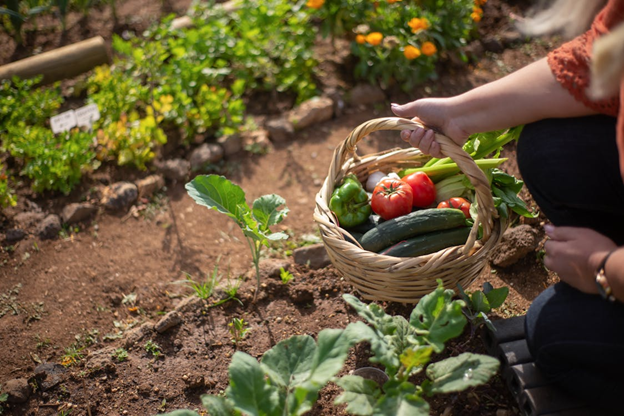
The Multiplier Effect: Expert Insights on Small Actions
Small actions have a multiplying effect, known as the “multiplier effect.” Individual behaviors, when aggregated across communities, produce significant results.
- For example, if many households reduce energy use by 10%, the collective effect is equivalent to the energy consumption of hundreds of homes annually.
- Similarly, small financial investments in sustainable lifestyle and eco-friendly initiatives like Rootz Organics help shift capital toward responsible businesses.
- Allocating a small portion of your family budget towards organic and natural groceries help build a stronger generation for your family and a sustainable earth for future.
Experts also highlight the social ripple effect: adopting sustainable habits often inspires others to act, creating momentum toward large-scale change.
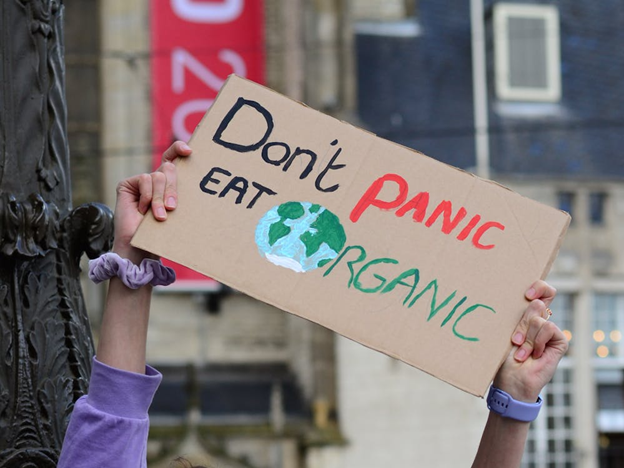
Practical Steps to Begin Your Sustainable Journey
1. Build Awareness
Track your energy use, water consumption, and waste production. Awareness is the first step toward impactful change, allowing you to make informed decisions and measure progress.
2. Invest in Sustainable Choices
Prioritize eco-conscious products, like organic groceries, reusable items, or energy-saving appliances. Even small financial or consumption choices can make a long-term impact.
Rootz Organics provides a range of certified organic food products that help you make sustainable choices in your daily diet. Choosing these products supports responsible farming, reduces chemical usage, and encourages healthier ecosystems.
3. Participate in Community Initiatives
Supporting local sustainability initiatives from tree planting and clean-ups to local farmers’ markets…amplifies the impact of your actions. Small contributions, when combined with community efforts, can drive measurable change.
4. Leverage Technology to Track Impact
Apps and digital tools can help measure your environmental footprint, from energy usage to carbon emissions, helping you make informed, sustainable decisions.
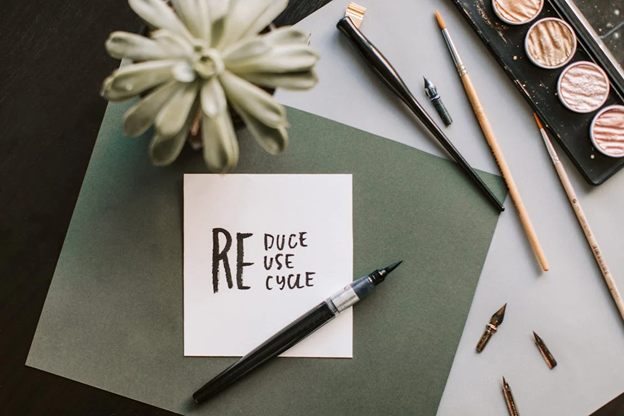
Why It Works: Building a Culture of Sustainability
Small investments do more than reduce resource consumption…they create a culture of responsibility.
- Influencing Businesses: When consumers prefer eco-conscious products, companies adopt greener practices.
- Educating Communities: Visible sustainable habits encourage others to follow suit.
- Driving Systemic Change: Over time, widespread adoption of small actions can lower emissions, reduce waste, and support green infrastructure.

Bringing It All Together: Small Steps, Big Leaps
Every decision matters. From reducing waste and conserving energy to supporting organic farming and eco-friendly products, incremental steps add up.
The key is consistency and awareness. Over months and years, these small investments compound into meaningful contributions to a sustainable future. By embracing the mindset that “small investments create big leaps,” individuals become agents of collective change.

Conclusion
Sustainable change doesn’t require grand gestures. Awareness, thoughtful choices, and small, consistent investments like choosing organic, eco-conscious products…are enough to make a real impact.
Rootz Organics helps people take these small, meaningful steps through products that are healthy for you and better for the planet, turning individual choices into measurable environmental benefits. Every choice counts, and every action contributes to a larger, collective impact.
FAQs
1. What does “small investments” mean in sustainability?
It refers to small daily choices — reducing waste, choosing organic, conserving water, or supporting ethical brands — which collectively create a big impact on personal health and the environment.
Shape
2. How can I make sustainable choices without spending more?
Many habits are free:
- Eating seasonal local produce
- Reducing single-use plastics
- Composting kitchen waste
- Reusing containers
- Cooking at home
Sustainability is about mindfulness, not money. Shape
3. Why does sustainability start with food?
Our food choices affect soil, water, farmers, biodiversity, and carbon emissions. Choosing organic or minimally processed foods supports the planet while improving personal health.
Shape
4. How do organic habits create long-term health benefits?
Organic foods reduce exposure to pesticides and additives, support gut health, and provide naturally grown nutrients — all of which contribute to long-term wellness and fewer lifestyle diseases.
Shape
5. Can one person really make an environmental difference?
Yes. Consistent small habits — even at a household level — influence demand, shift markets, and reduce environmental burden. Communities are built from individuals.
Shape
6. What is the biggest barrier to sustainable living?
Many people believe sustainability is expensive or complicated. In reality, it’s about small, conscious decisions repeated over time.
Shape
7. Why does Rootz Organics support native and organic sourcing?
Because it protects soil, strengthens local farming, and promotes long-term ecological stability while providing chemical-free, nutrient-rich food.
Shape
8. How do sustainable food choices help farmers?
Buying clean, ethically grown produce ensures farmers:
- Use safer methods
- Earn fair wages
- Preserve local cultivation practices
- Avoid harmful chemicals
This strengthens entire rural communities.
-

Foxtail Millet Tabbouleh: The Spain-Inspired, Gluten-Free Salad I Fell in Love With
September 25th, 2026 -
Khapli Flour vs Regular Wheat Flour: What’s Really Different?
September 23rd, 2026 -
Psyllium Husk and Whole Seeds: The Simple Fibre Upgrade Every UAE Kitchen Needs
September 11th, 2026 -
 August 14th, 2026